

Driving through the Wild West
From pitchfork steaks to a thrilling mountain pass, a road trip to Utah is a treat

Advertisement
Read this article for free:
or
Already have an account? Log in here »
To continue reading, please subscribe:
Monthly Digital Subscription
$1 per week for 24 weeks*
- Enjoy unlimited reading on winnipegfreepress.com
- Read the E-Edition, our digital replica newspaper
- Access News Break, our award-winning app
- Play interactive puzzles
*Billed as $4.00 plus GST every four weeks. After 24 weeks, price increases to the regular rate of $19.95 plus GST every four weeks. Offer available to new and qualified returning subscribers only. Cancel any time.
Monthly Digital Subscription
$4.99/week*
- Enjoy unlimited reading on winnipegfreepress.com
- Read the E-Edition, our digital replica newspaper
- Access News Break, our award-winning app
- Play interactive puzzles
*Billed as $19.95 plus GST every four weeks. Cancel any time.
To continue reading, please subscribe:
Add Free Press access to your Brandon Sun subscription for only an additional
$1 for the first 4 weeks*
*Your next subscription payment will increase by $1.00 and you will be charged $16.99 plus GST for four weeks. After four weeks, your payment will increase to $23.99 plus GST every four weeks.
Read unlimited articles for free today:
or
Already have an account? Log in here »
Hey there, time traveller!
This article was published 18/08/2018 (2786 days ago), so information in it may no longer be current.
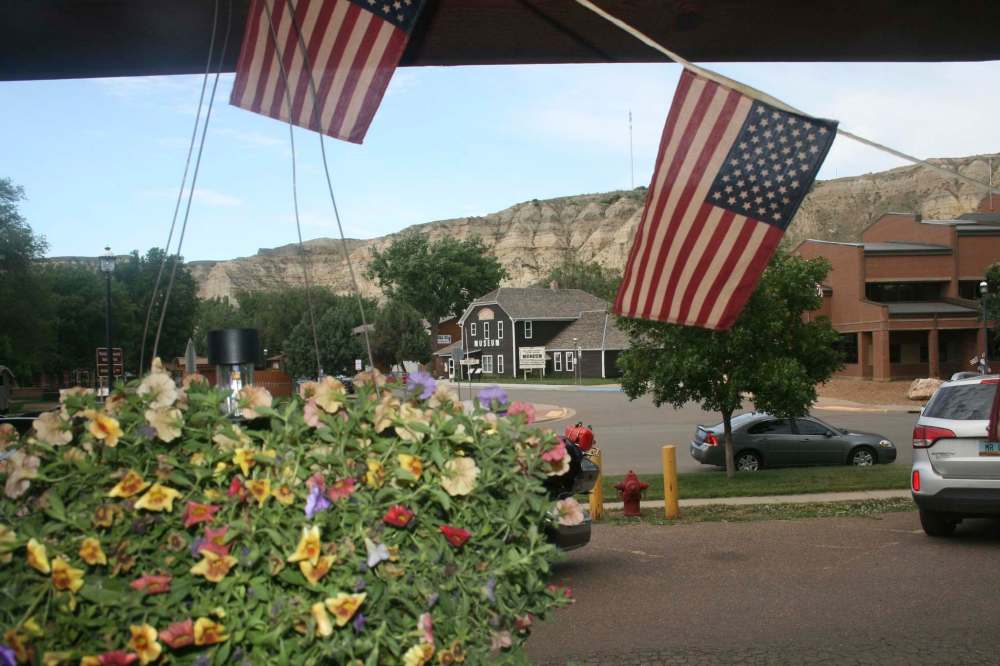
We came upon the badlands at 129 kilometres per hour, when the sweeping prairie landscape of rolling pasture seemed to crumble around us.
Gone were the grasslands, grazing cattle and oil wells, and in their places were cliffs, hoodoos and gullies formed in clay over millions of years of depositing and eroding.
North Dakota’s main east-west speedway, Interstate 94, offered only a sneak peek at the state’s badlands before changing scenery like the flipping of a switch.
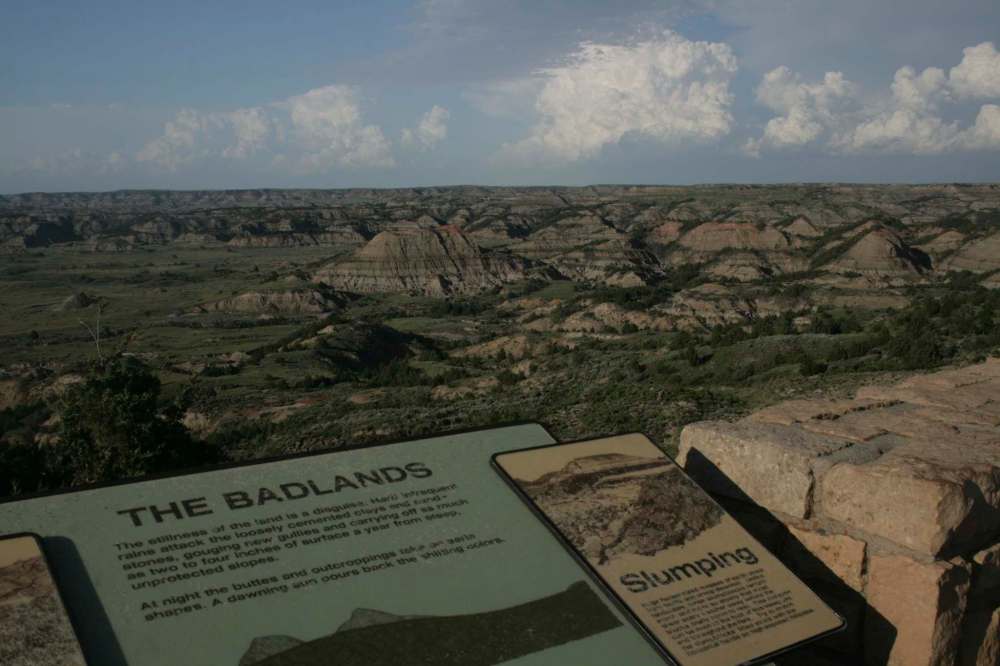
Unlike mountains, which don’t exactly sneak up on you, the badlands are art in negative relief, carved into the prevailing terrain rather than sitting on top of it. With the exception of a brief glimpse between two dales from the highway, you don’t see the badlands until you’re in them.
While there’s an inherent beauty in a prairie landscape that is often lost on non-flatlanders, after nine hours of driving on roads that are too damn straight, too damn level and too damn boring, there’s also beauty in putting the Prairies in the rear-view mirror.
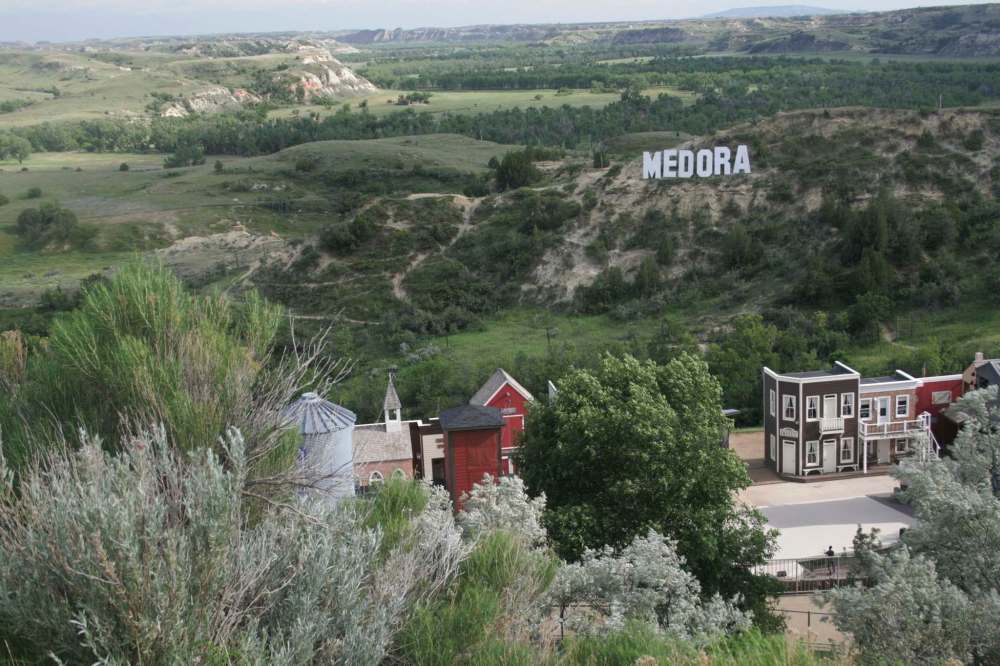
We’re here, in the tiny town of Medora, on the edge of Theodore Roosevelt National Park, as part of our journey from Winnipeg to Salt Lake City, where our son, Austin, was shooting as part of Team Canada at the Hyundai World Cup of Archery’s third stage. He placed ninth among the best archers in the world.
For those who know North Dakota only through Fargo, both the city that had been — at least prior to the current presidency — a shopping destination for Winnipeggers, and from the movie (“And I guess that was your accomplice in the wood chipper.”), the badlands are an unexpected treasure.
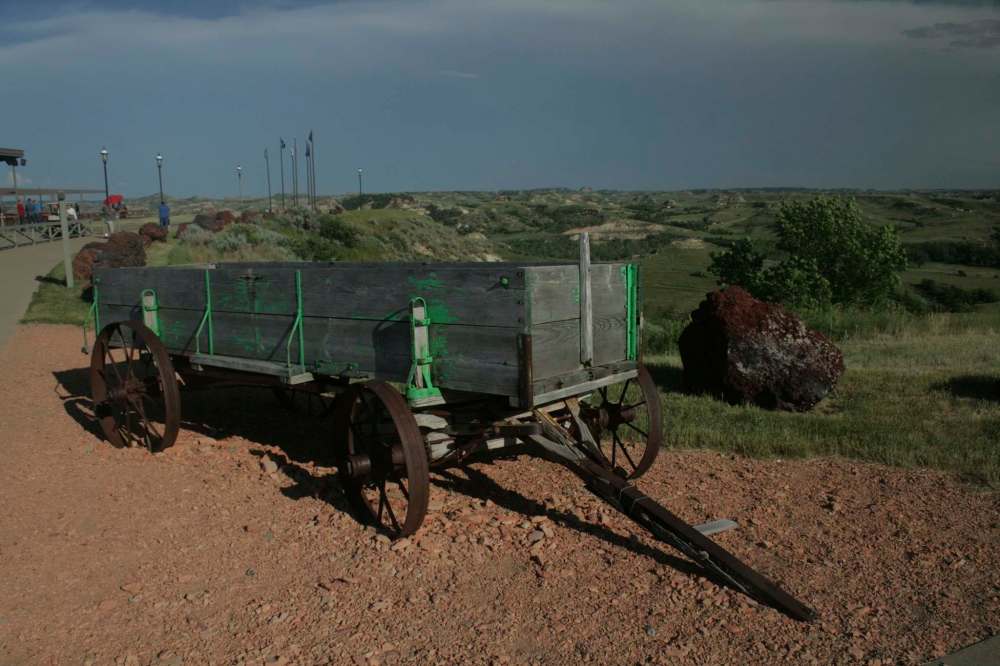
There’s beauty at almost every turn, with the eroded clay showing a wide spectrum of colours, with history that’s largely been left the way it was — numerous examples near Medora abound of chuckwagons and carriages still parked where they were first abandoned. Nineteenth-century dwellings left as they were — decaying, yes, but standing testament to the region’s Wild West past.

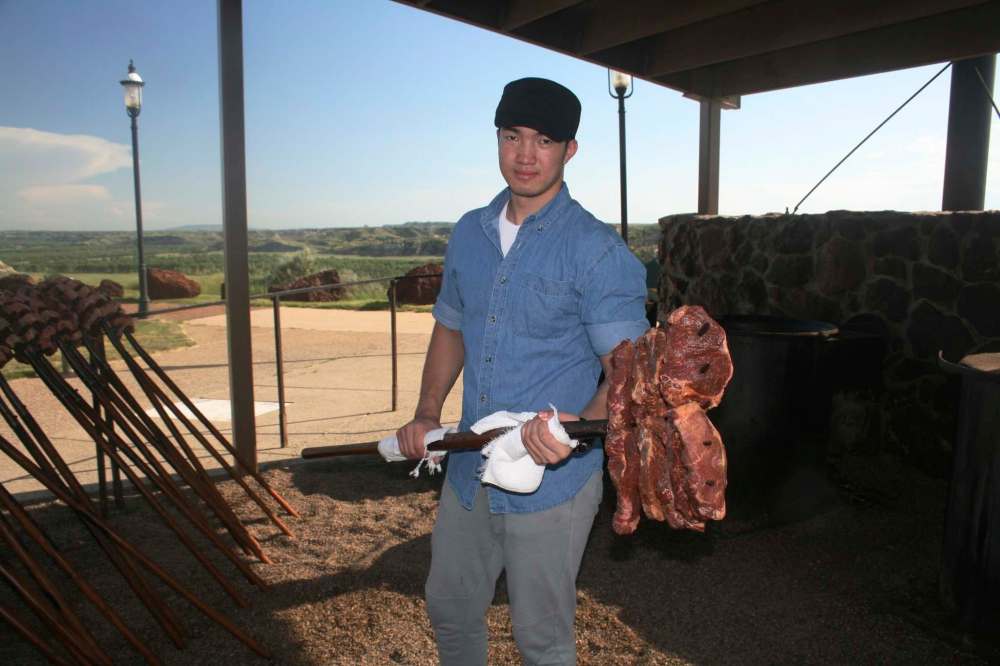
Driving in North Dakota is a bit like soccer: long periods of boredom punctuated by moments of excitement. The state makes up for it with a 120 km/h speed limit on its interstates, which of course means 130 km/h or more. The boredom, but not the speed, ends when you hit the badlands. Even Interstate 94 bends and twists more than usual, but the backroads are where the driving fun begins. There’s a 42-kilometre loop through Teddy Roosevelt park, with scenic overlooks of canyons and outcroppings.
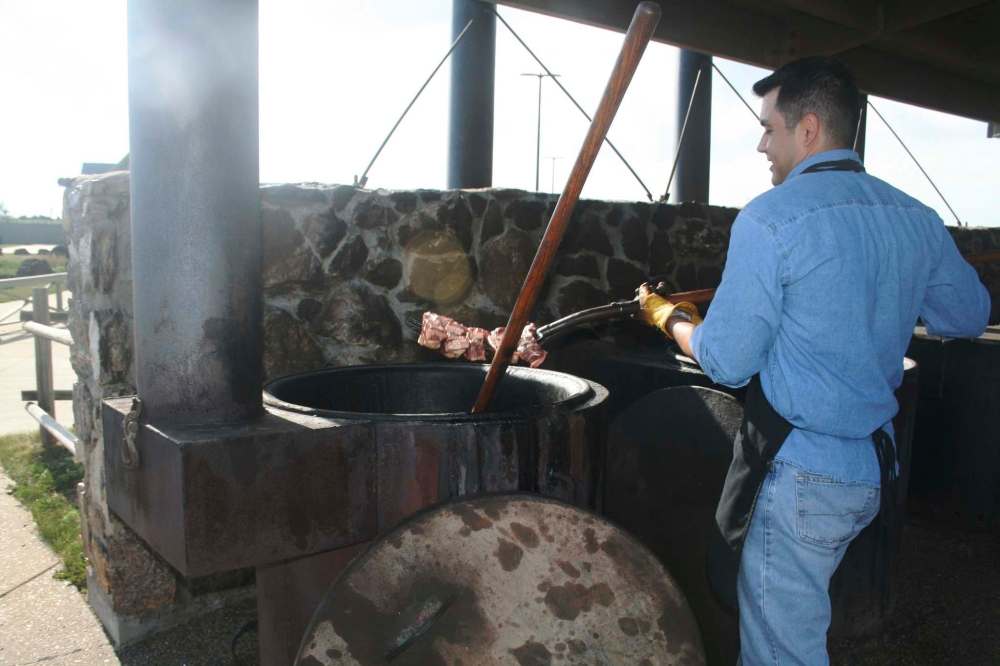
Come suppertime, steaks were drying in the open air, a hundred or so, skewered on pitchforks and awaiting a date with hot cooking oil. It’s the Pitchfork Steak Fondue, a nightly feast atop Tjaden Terrace just south of Medora between June and September.
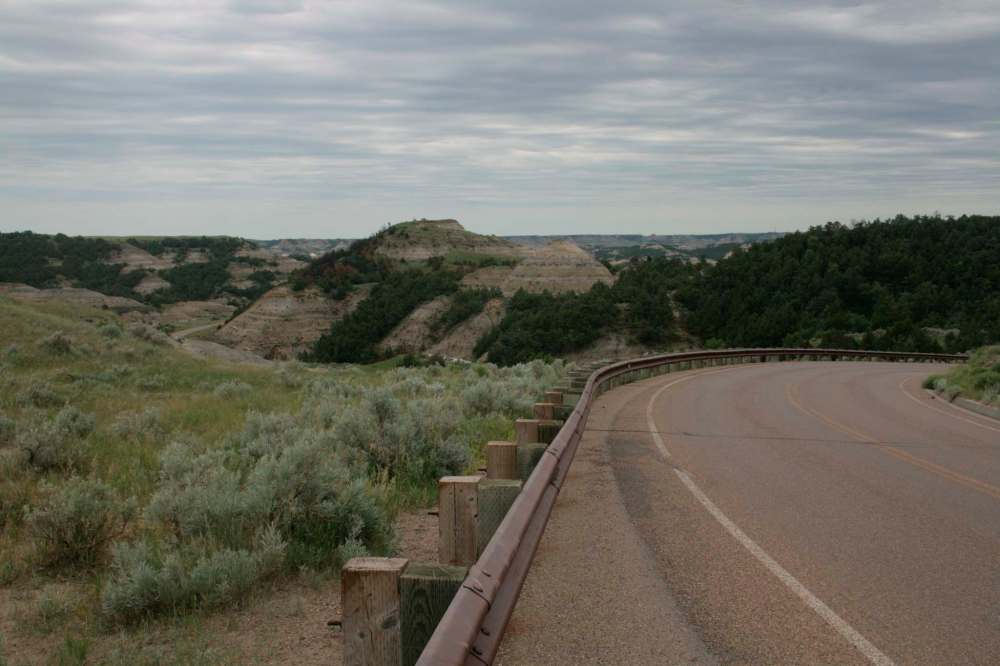
The steaks come out with a nicely seasoned crust, and since the juices have nowhere to go in the oil, are nice and juicy, too. Accompanying the steaks was a self-serve collection of salads and sides, including some tasty baked beans.
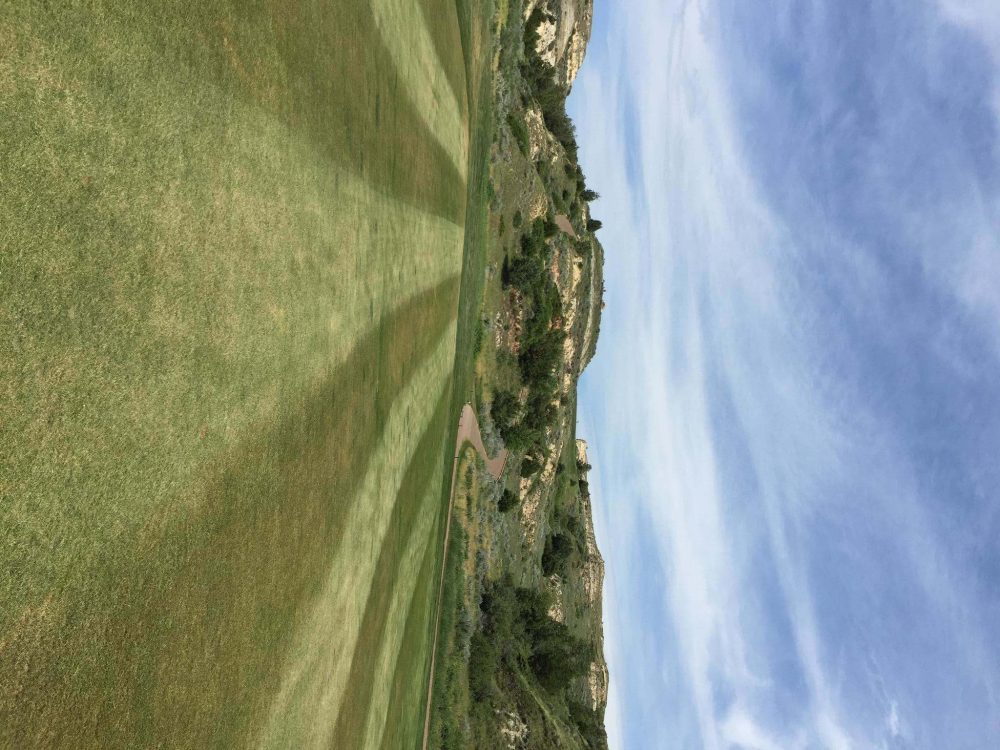
The next day, we played golf at Bully Pulpit, a course I’ve wanted to play for four years, ever since it had a booth at a golf show in Winnipeg. It is stunning in its beauty, with patches of green punctuating the badlands landscape, and multiple elevated tees, including the 16th, which plays the black tees from a perch almost 100 feet in the air.
“When you get to the 16th, just play the black tees and haul back on the driver,” the starter told us. So glad we did. For most of this course, the black tees are extremely challenging, reserved for names such as Mickelson, McIlroy or Spieth. But here on 16, a 461-yard par 4, with the wind at your back, there’s almost nothing to lose. Just don’t slice it into the clay the way a chap playing ahead of us did.
After packing up in Dickinson, N.D., to head west (we saved US$100 by staying here instead of Medora), we found ourselves in Bozeman, Mont., about six hours away. Bozeman is a hip, cool town and it blends a modern edge with its western roots. A must-eat place here is Montana Ale Works, which specializes in fresh, local ingredients. Produce and proteins are sourced from artisanal producers, and even the beer is almost all local, including a wide selection of pale ales, India pale ales, stouts, lagers and pilsners.
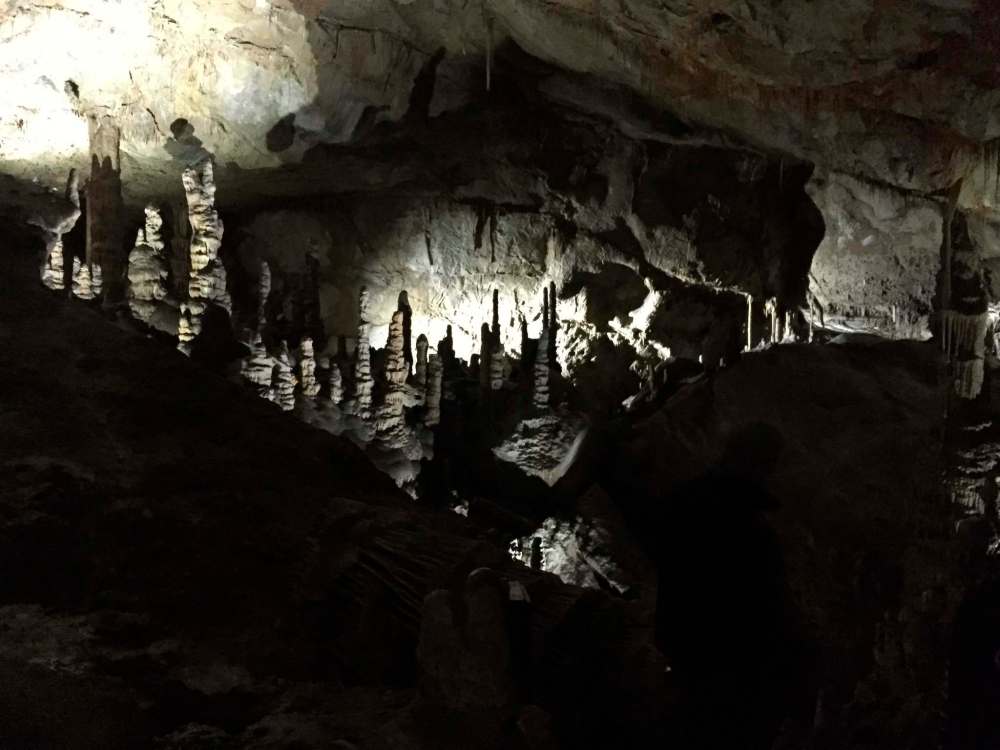
Less than an hour west of Bozeman are the Lewis and Clark Caverns. Who discovered the Lewis and Clark Caverns? If you’re sensing a trick question, you’re right. On their 1804-1806 expedition from St. Louis to the Oregon coast, Meriwether Lewis and William Clark camped twice within sight of the caverns, but never knew they were there.
Indigenous Americans first knew of the caverns, but the first recorded discovery was in 1882. Nothing happened until 1892 when two ranchers noticed an odd plume of steam rising from the hillside. The first tours began in 1900.
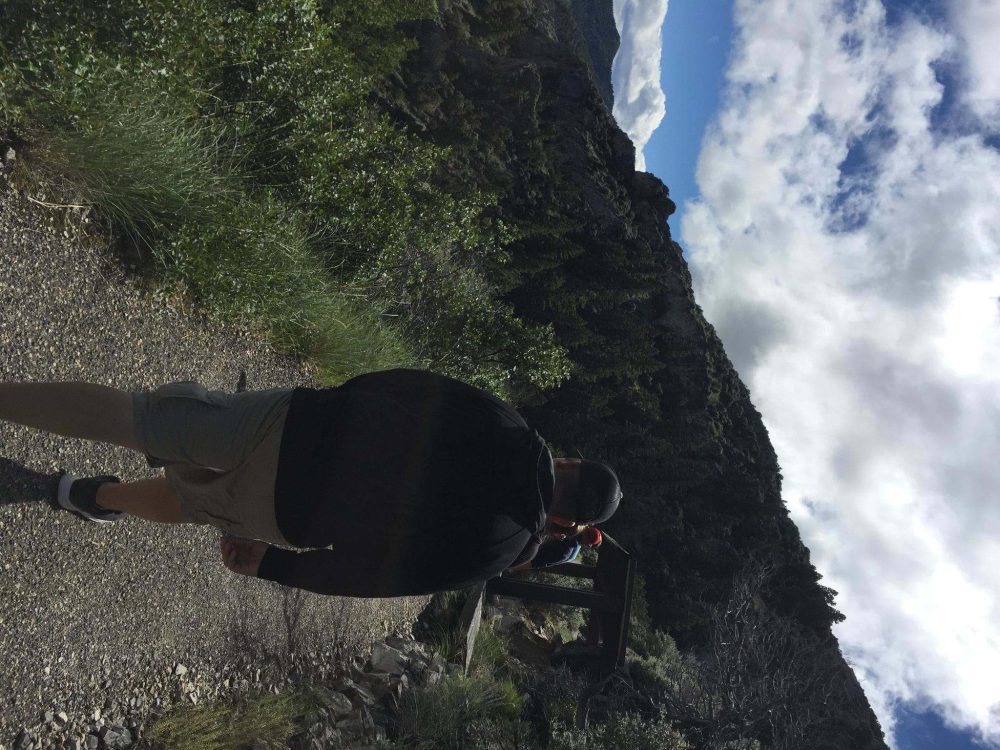
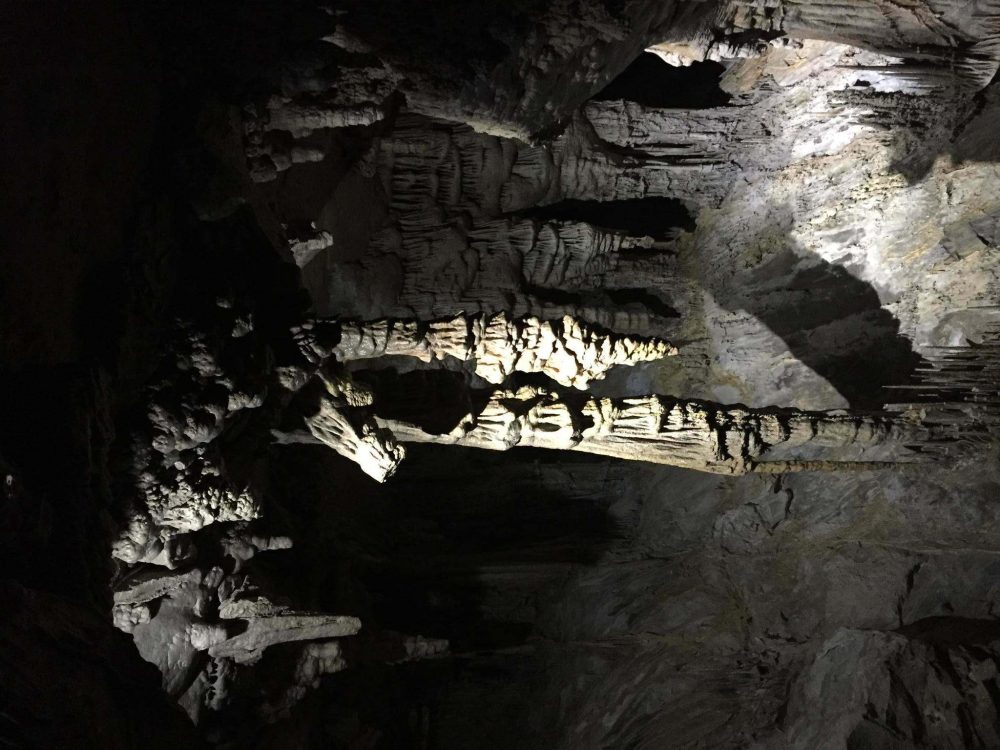
The tour of the caverns is well worth the stop, but it’s not for faint of heart, as it starts with a 1.2-km hike up an average seven per cent grade and includes stretches where you must duck walk, crawl, slide and navigate sometimes slippery staircases. Yet the beauty within — stalactites, stalagmites, columns and other features formed through millions of years of water flow — is stunning. The columns appear built from the bones of giant humanoids and reach as high as 40 feet inside the caverns.
Salt Lake City is a driver’s city, with freeways everywhere and lots of twists and turns to delight. It’s a mere five minutes from the airport to downtown, such is the proficiency with which the city built its roads.
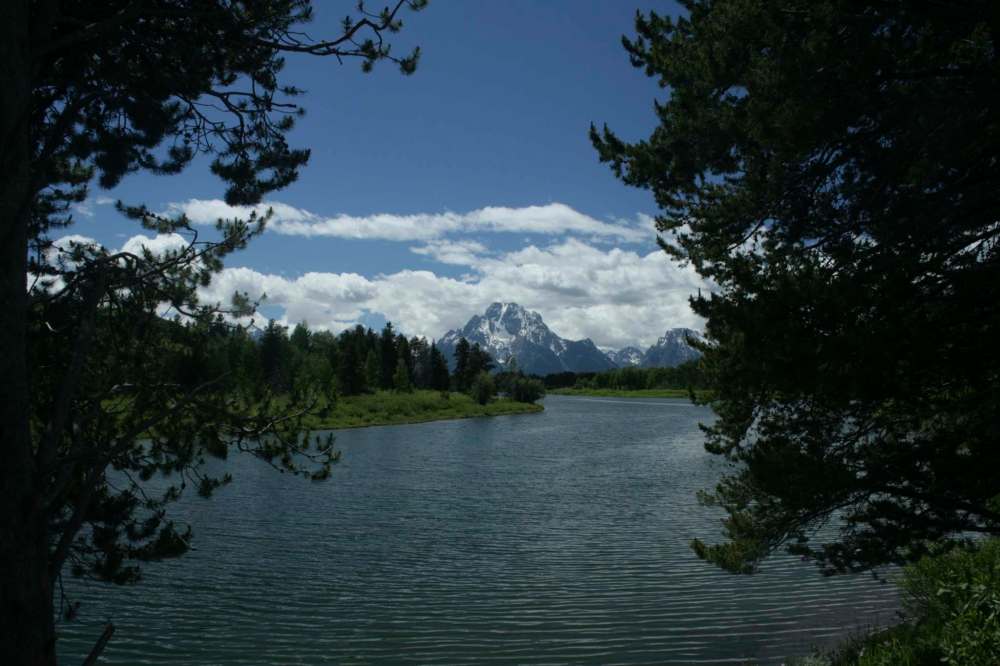
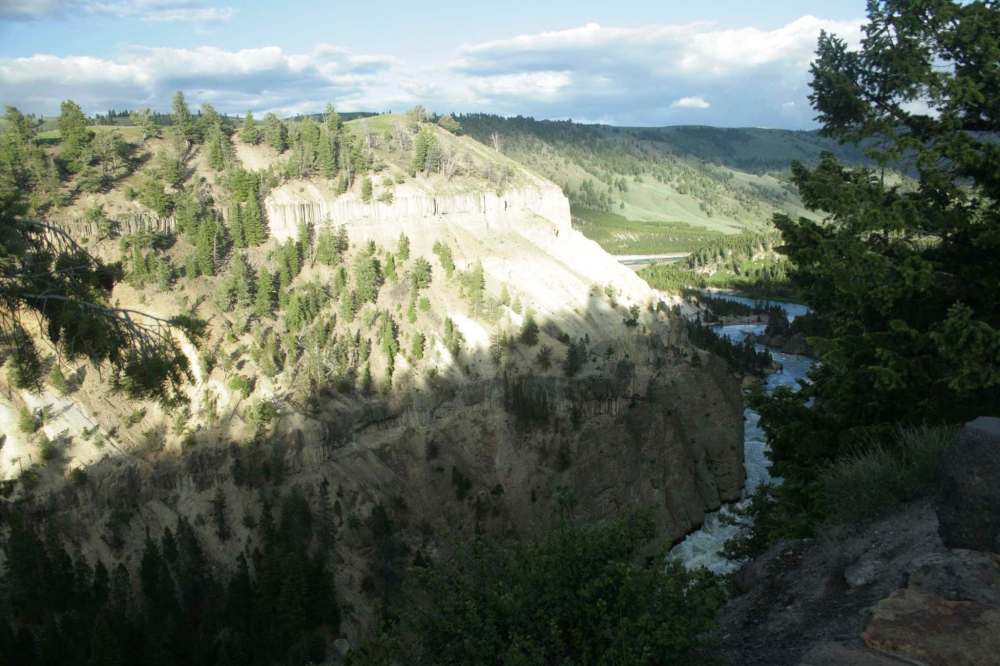
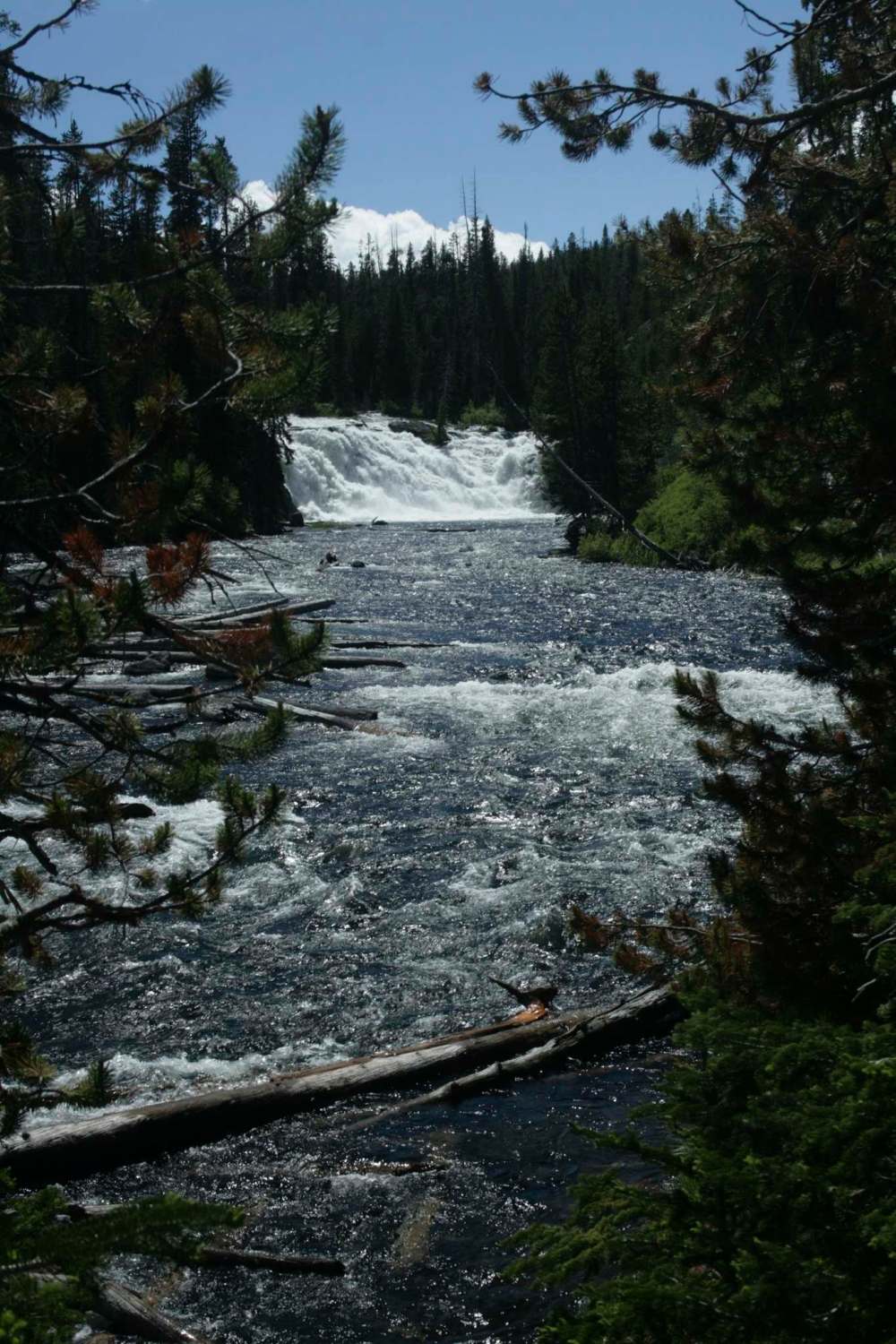
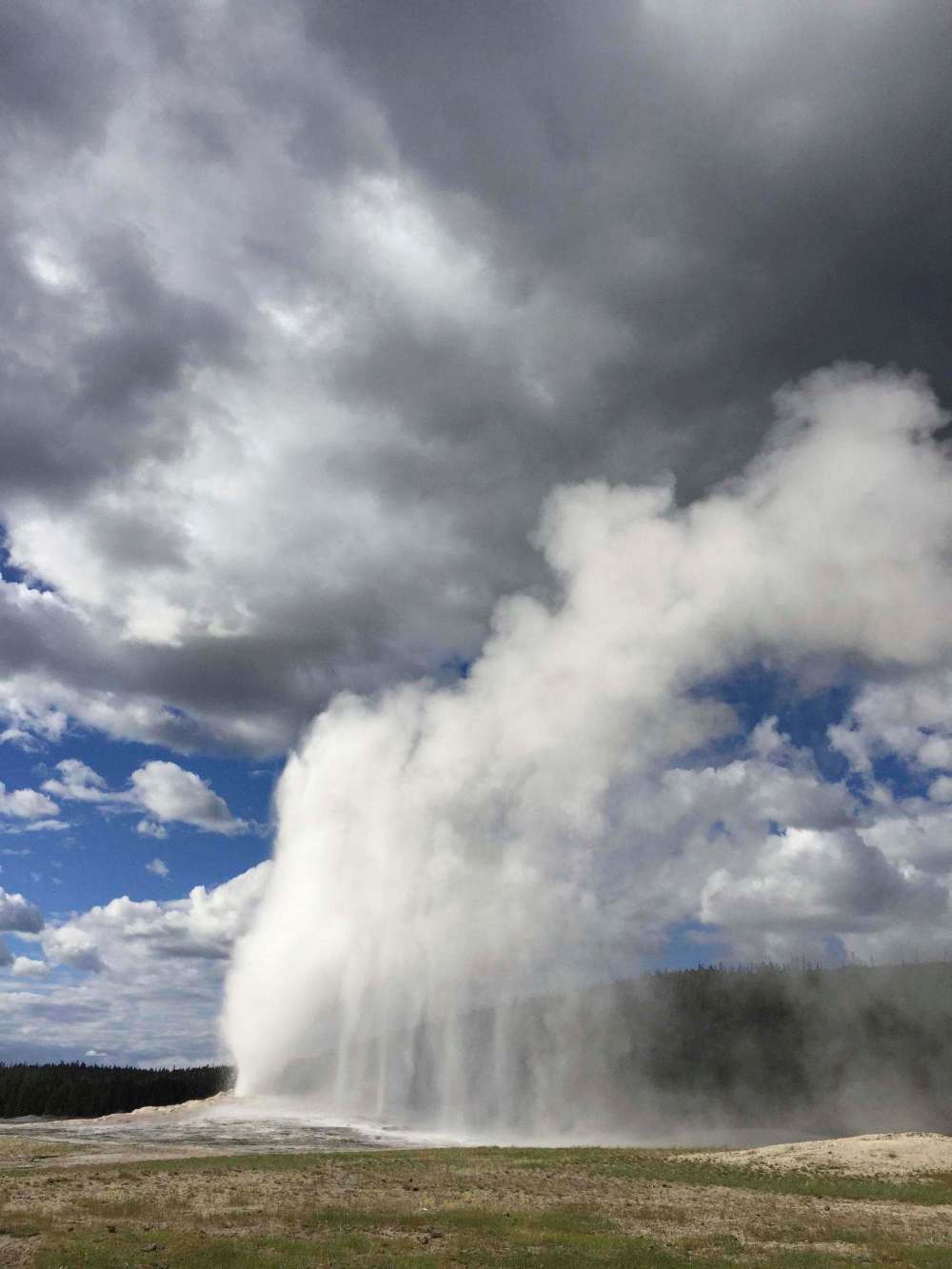
Our return trip took us on a deliberate detour through Grand Teton National Park and Yellowstone National Park, where we were treated to an eruption of Old Faithful and a collection of bison on the side of the road.
The real treat for drivers coming out of Yellowstone is to head out the northeast exit, past Cooke City and onto the Beartooth Highway. It’s closed from October to May, with good reason. It has instantly become my favourite driving route in North America, with sharp hairpins and twistbacks. We drove through a channel plowed out of an eight-foot snow drift — in June — and pushed clouds out of our way as we crested its 10,947-foot-high pass. I can’t wait to do it again.
kelly.taylor@freepress.mb.ca



Kelly Taylor
Copy Editor, Autos Reporter
Kelly Taylor is a copy editor and award-winning automotive journalist, and he writes the Free Press‘s Business Weekly newsletter. Kelly got his start in journalism in 1988 at the Winnipeg Sun, straight out of the creative communications program at RRC Polytech (then Red River Community College). A detour to the Brandon Sun for eight months led to the Winnipeg Free Press in 1989. Read more about Kelly.
Every piece of reporting Kelly produces is reviewed by an editing team before it is posted online or published in print — part of the Free Press‘s tradition, since 1872, of producing reliable independent journalism. Read more about Free Press’s history and mandate, and learn how our newsroom operates.
Our newsroom depends on a growing audience of readers to power our journalism. If you are not a paid reader, please consider becoming a subscriber.
Our newsroom depends on its audience of readers to power our journalism. Thank you for your support.
History
Updated on Saturday, August 18, 2018 3:36 PM CDT: Typo fixed.