The darkest day
Advertisement
Read this article for free:
or
Already have an account? Log in here »
To continue reading, please subscribe:
Monthly Digital Subscription
$1 per week for 24 weeks*
- Enjoy unlimited reading on winnipegfreepress.com
- Read the E-Edition, our digital replica newspaper
- Access News Break, our award-winning app
- Play interactive puzzles
*Billed as $4.00 plus GST every four weeks. After 24 weeks, price increases to the regular rate of $19.95 plus GST every four weeks. Offer available to new and qualified returning subscribers only. Cancel any time.
Monthly Digital Subscription
$4.99/week*
- Enjoy unlimited reading on winnipegfreepress.com
- Read the E-Edition, our digital replica newspaper
- Access News Break, our award-winning app
- Play interactive puzzles
*Billed as $19.95 plus GST every four weeks. Cancel any time.
To continue reading, please subscribe:
Add Free Press access to your Brandon Sun subscription for only an additional
$1 for the first 4 weeks*
*Your next subscription payment will increase by $1.00 and you will be charged $16.99 plus GST for four weeks. After four weeks, your payment will increase to $23.99 plus GST every four weeks.
Read unlimited articles for free today:
or
Already have an account? Log in here »
Hey there, time traveller!
This article was published 01/05/2021 (1798 days ago), so information in it may no longer be current.
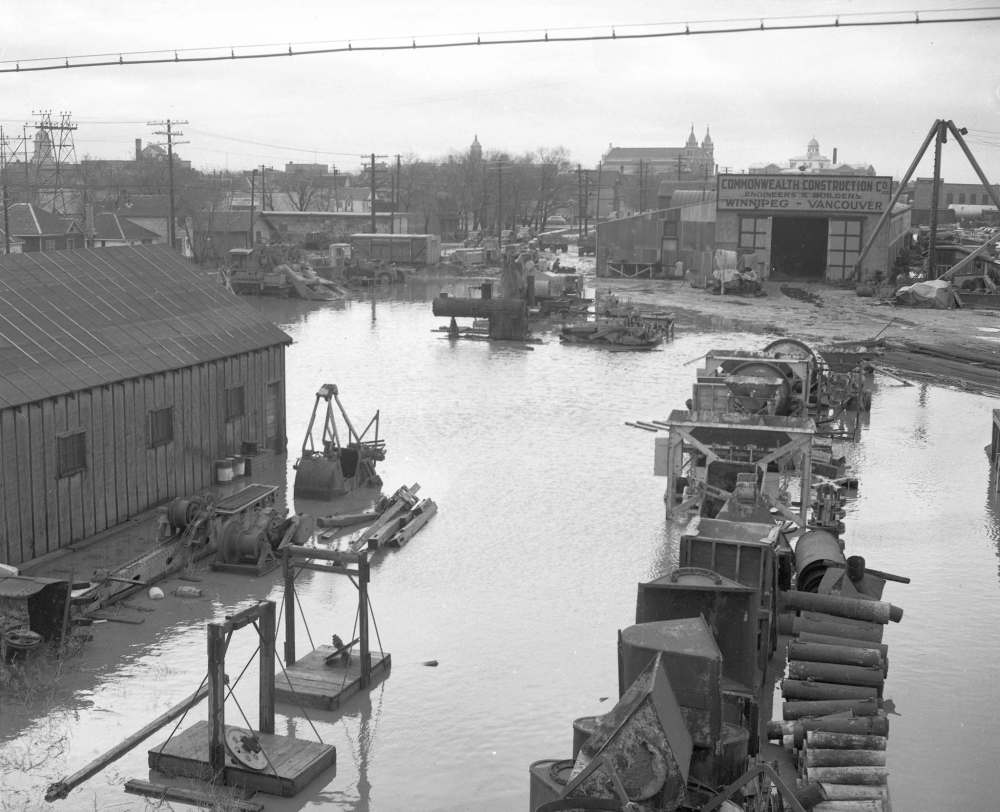
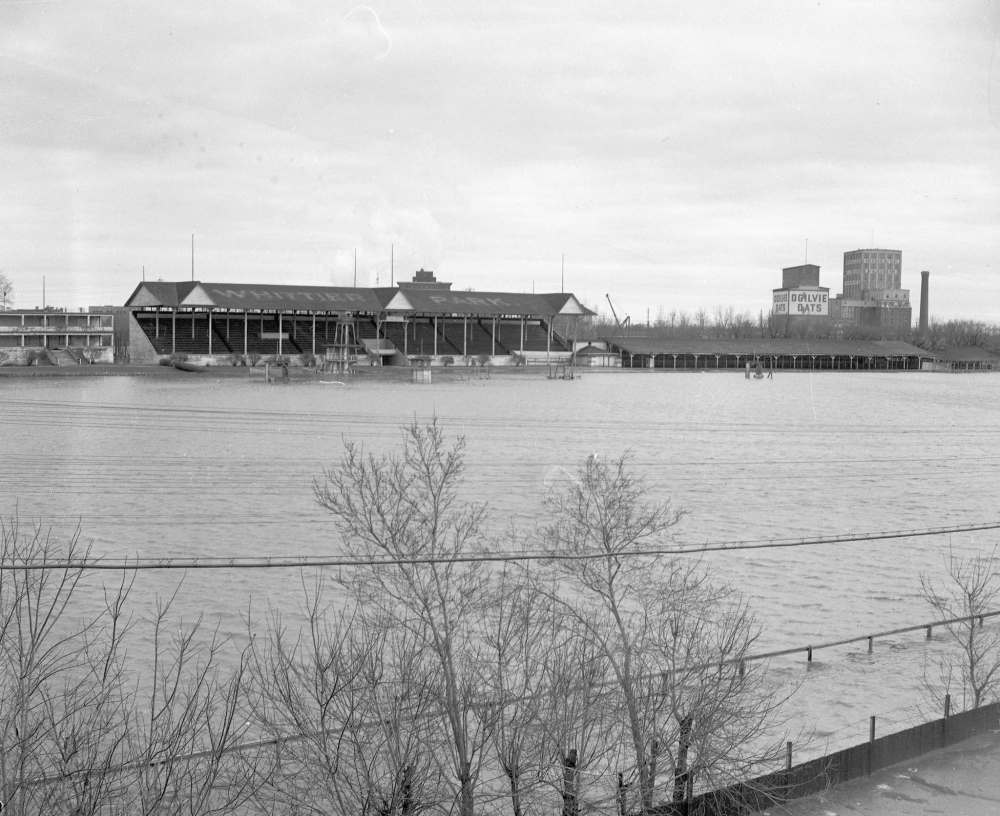
It’s been called Black Friday, a day in which Winnipeg realized it was going to be on the losing end of its 1950 flood fight.
The rain fell steadily throughout May 5, several dikes were on the verge of being breached and, late in the evening, sirens wailed alerting residents to evacuate.
W.D. Hurst, City of Winnipeg engineer, later described in a report how the city’s efforts in fighting the historic flood shifted in a matter of hours:
“About midnight I was summoned to an emergency meeting in the Premier’s office in the legislative building where the entire situation was reviewed. Present were representatives of all three levels of government.
It became apparent that the Red River Valley was faced with a disaster of the first magnitude, and that the Canadian Army with its power of command and its ability to obtain the necessary resources must be placed in charge of the flood fight…. While we sat at the meeting, we could hear the sirens blowing and knew that at least some of our efforts had come to naught.
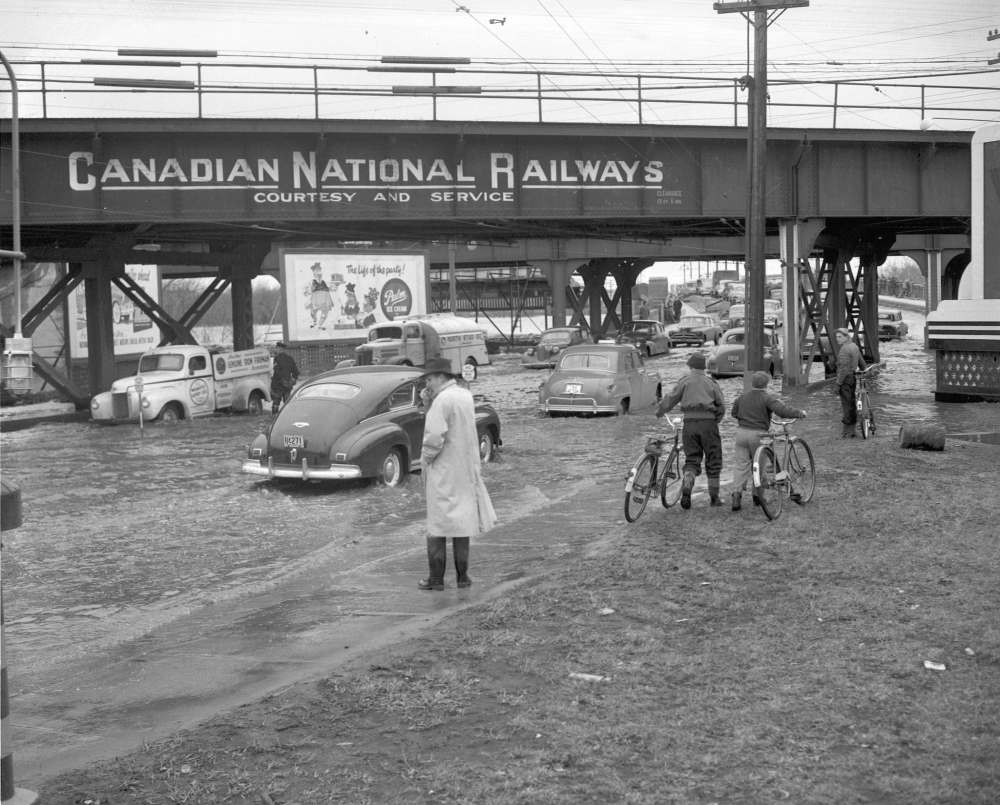
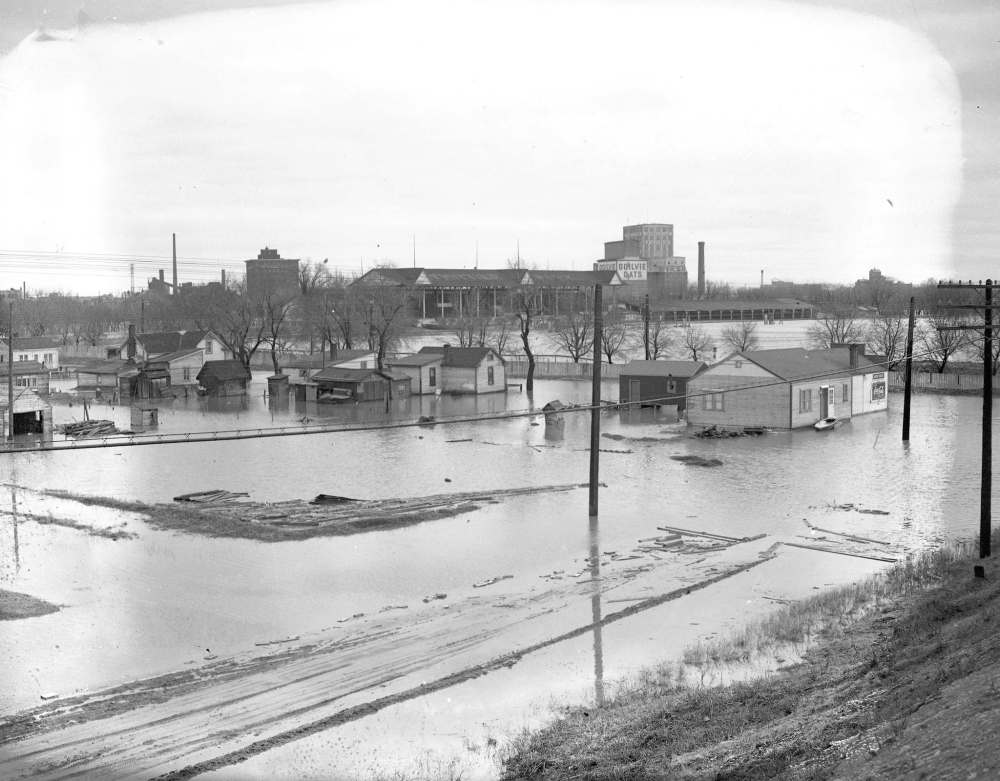
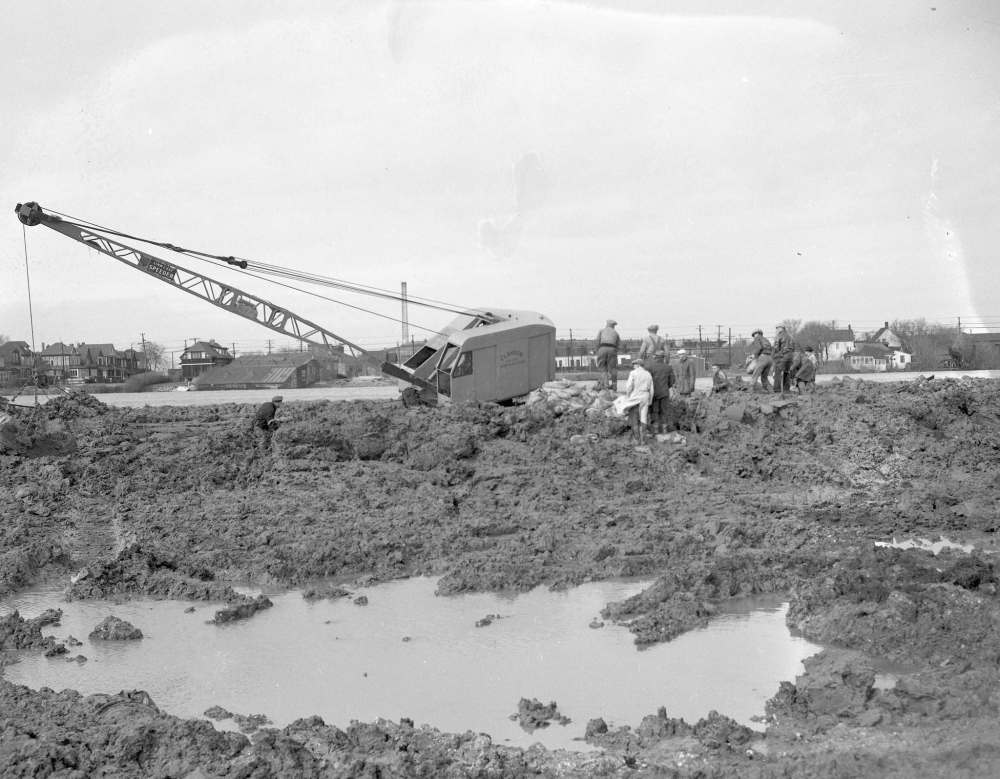
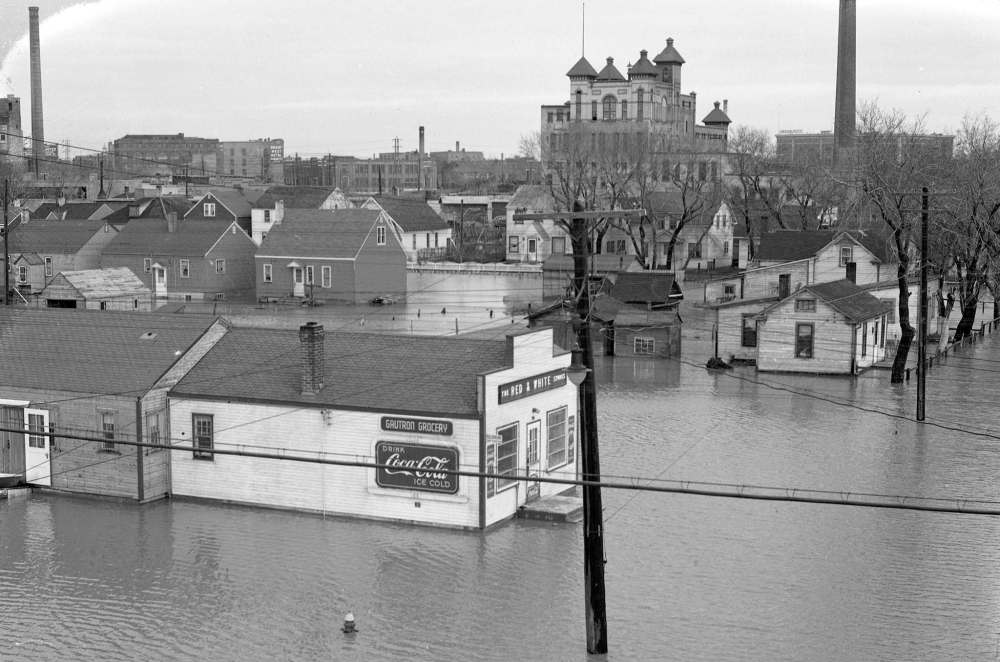
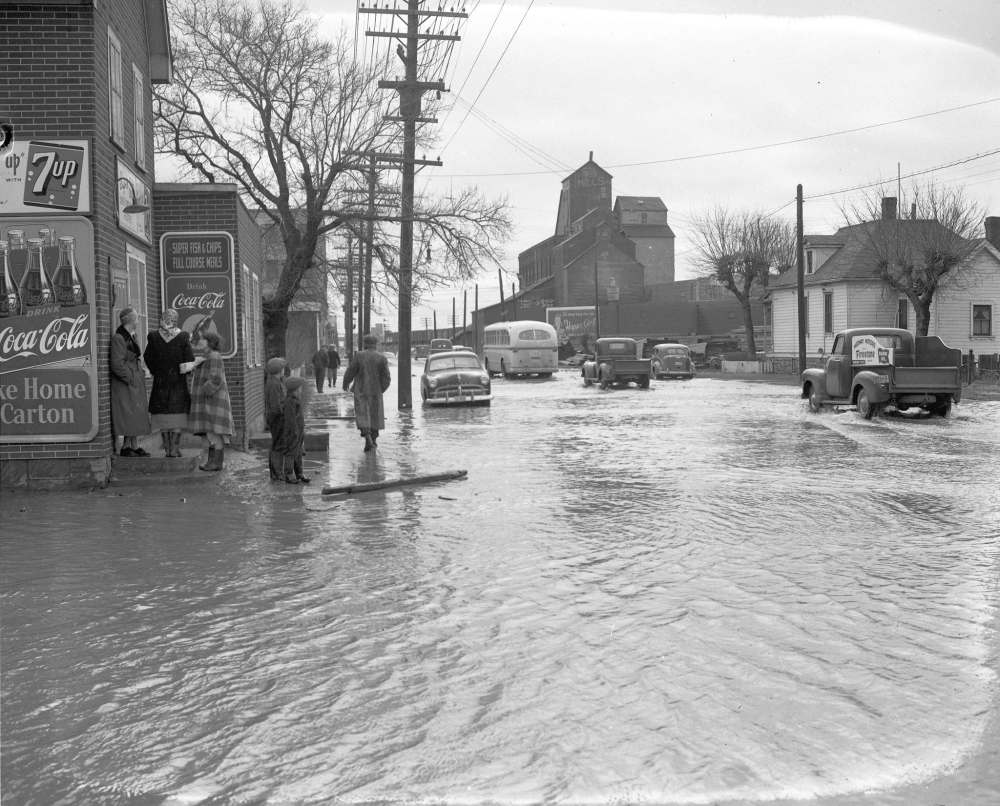
“By the following morning, the Riverview and Point Douglas dikes in Winnipeg and the Wildwood dike in Fort Garry had failed and complete evacuation of the districts was ordered. During the night the patients at the municipal hospitals had been transferred to Deer Lodge Hospital in St. James. Norwood and Provencher Bridges were temporarily closed and underpasses all over the city were flooded due to sewer backup and hundreds of basements were inundated.

“Other dikes too had failed or were on the verge of failure and the course of the flood had changed from the defensive to the relief stages.”
All told, more than 100,000 people were evacuated, 10,000 homes were flooded, one-eighth of the city was submerged and one person had died. It was an unprecedented calamity at the time; then-Prime Minister Louis St. Laurent called it the “most catastrophic flood ever seen in Canada.”