

Heat made aphids stick around longer

Advertisement
Read this article for free:
or
Already have an account? Log in here »
To continue reading, please subscribe:
Monthly Digital Subscription
$1 per week for 24 weeks*
- Enjoy unlimited reading on winnipegfreepress.com
- Read the E-Edition, our digital replica newspaper
- Access News Break, our award-winning app
- Play interactive puzzles
*Billed as $4.00 plus GST every four weeks. After 24 weeks, price increases to the regular rate of $19.95 plus GST every four weeks. Offer available to new and qualified returning subscribers only. Cancel any time.
Monthly Digital Subscription
$4.99/week*
- Enjoy unlimited reading on winnipegfreepress.com
- Read the E-Edition, our digital replica newspaper
- Access News Break, our award-winning app
- Play interactive puzzles
*Billed as $19.95 plus GST every four weeks. Cancel any time.
To continue reading, please subscribe:
Add Free Press access to your Brandon Sun subscription for only an additional
$1 for the first 4 weeks*
*Your next subscription payment will increase by $1.00 and you will be charged $16.99 plus GST for four weeks. After four weeks, your payment will increase to $23.99 plus GST every four weeks.
Read unlimited articles for free today:
or
Already have an account? Log in here »
Hey there, time traveller!
This article was published 17/08/2021 (1664 days ago), so information in it may no longer be current.
WINNIPEG’S drought has created an unusually sticky situation on streets and sidewalks, by allowing aphid droppings to build up for much longer than usual.
In a normal year, rain tends to wash away the goo often and make it far less noticeable. However, last month marked the driest July in nearly 150 years, when Winnipeg had just 8.5 millimetres of rainfall.
As a result, the natural cleaning effect of precipitation didn’t take place for several weeks.
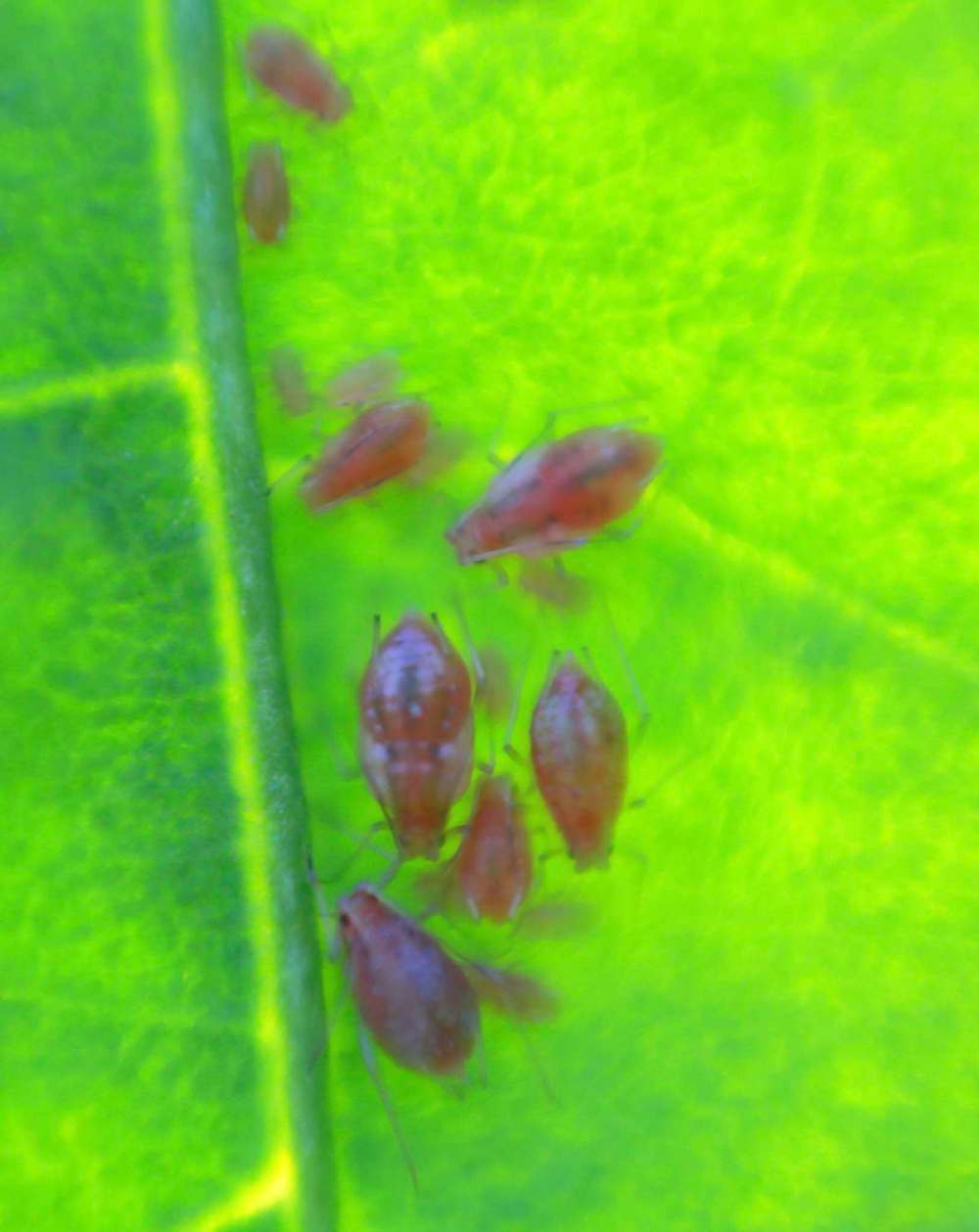
“In a normal year, we would get a rainfall every week or so and the rain would be enough to wash off the aphid droppings. But we basically went almost two months (this year) without rainfall, so it just built up more. With it being hot, it just made it that much more sticky,” said David Wade, a surveillance program co-ordinator with the city’s insect control branch.
And just as the droppings stuck around, persistent hot temperatures created the perfect conditions to support a larger aphid population, further increasing the buildup.
“The aphids do have multiple generations in a year and the hotter it is, the more generations they will have,” said Wade.
While recent rain has finally helped wash away the goo, which consists mostly of sugar and water, Wade noted the buildup could become more common in the future.
“If, through climate change, Winnipeg receives less rain and hotter temperatures, then, yes, aphids would be more noticeable in the future or continue to be as noticeable as they were this year,” he said.

Before the recent moisture, the city received some complaints about excess aphid residue, he said. While many Winnipeggers believed the sticky layer that built up on vehicles and paths was aphid poo, that’s technically not the case, since it’s excreted through a tube in the bug’s abdominal area, said Wade.
The city doesn’t currently treat trees to rid them of aphids. Its website states that’s because there isn’t an effective large-scale treatment for aphid control because the bug reproduces very quickly. The critters also tend to cause limited harm to trees, the city notes.
Aphids are expected to remain noticeable until the end of the month.
joyanne.pursaga@freepress.mb.ca
Twitter: @joyanne.pursaga
Joyanne is city hall reporter for the Winnipeg Free Press. A reporter since 2004, she began covering politics exclusively in 2012, writing on city hall and the Manitoba Legislature for the Winnipeg Sun before joining the Free Press in early 2020. Read more about Joyanne.
Every piece of reporting Joyanne produces is reviewed by an editing team before it is posted online or published in print — part of the Free Press‘s tradition, since 1872, of producing reliable independent journalism. Read more about Free Press’s history and mandate, and learn how our newsroom operates.
Our newsroom depends on a growing audience of readers to power our journalism. If you are not a paid reader, please consider becoming a subscriber.
Our newsroom depends on its audience of readers to power our journalism. Thank you for your support.
Joyanne is city hall reporter for the Winnipeg Free Press. A reporter since 2004, she began covering politics exclusively in 2012, writing on city hall and the Manitoba Legislature for the Winnipeg Sun before joining the Free Press in early 2020. Read more about Joyanne.
Every piece of reporting Joyanne produces is reviewed by an editing team before it is posted online or published in print — part of the Free Press‘s tradition, since 1872, of producing reliable independent journalism. Read more about Free Press’s history and mandate, and learn how our newsroom operates.
Our newsroom depends on a growing audience of readers to power our journalism. If you are not a paid reader, please consider becoming a subscriber.
Our newsroom depends on its audience of readers to power our journalism. Thank you for your support.
Advertisement Advertise With Us
Advertisement Advertise With Us