Time capsules Prized clocks on display at Manitoba Museum

The Mennonite wall clock has marked — with metronomic tick-tock precision — political and societal upheaval throughout the centuries.

Read this article for free:


or

Already have an account? Log in here »

To continue reading, please subscribe:

Subscribe and receive a limited-edition Free Press branded hat or tote.

Digital Subscription

One year of digital access for only $205*

  • Enjoy unlimited reading on winnipegfreepress.com
  • Read the E-Edition, our digital replica newspaper
  • Access News Break, our award-winning app
  • Play interactive puzzles

*First annual payment billed as $205.00 + GST for one year. This annual subscription will automatically renew at $233.00 + GST every 52 weeks (10% off the regular annual price of $259.35). Offer available to new and qualified returning subscribers only. Cancel any time.

To continue reading, please subscribe:

Add Free Press access to your Brandon Sun subscription for only an additional

$1 for the first 4 weeks*

  • Enjoy unlimited reading on winnipegfreepress.com
  • Read the E-Edition, our digital replica newspaper
  • Access News Break, our award-winning app
  • Play interactive puzzles
Start now

*Your next Brandon Sun subscription payment will increase by $1.00 and you will be charged $17.95 plus GST for four weeks. After four weeks, your payment will increase to $24.95 plus GST every four weeks.

Hey there, time traveller!
This article was published 15/02/2024 (944 days ago), so information in it may no longer be current.

The Mennonite wall clock has marked — with metronomic tick-tock precision — political and societal upheaval throughout the centuries.

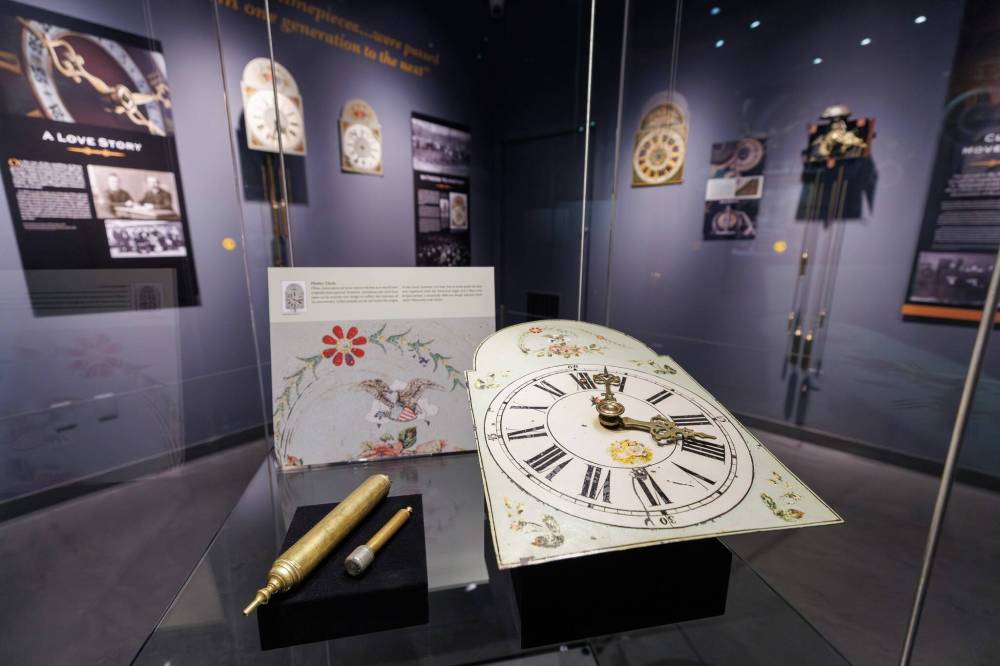
Fifteen are on temporary display at the Manitoba Museum in an exhibition developed by the Kroeger Clocks Heritage Foundation, in partnership with the Mennonite Heritage Village museum.

The timepieces were made between the late 1700s and early 1900s in Mennonite workshops in Ukraine, as meticulous clock builders passed the craft down through generations.
MIKE DEAL / WINNIPEG FREE PRESS
                                The ‘Mielitz’ clock was made by Abraham Kroeger (1791–1872) in Rosenthal, Russian Empire (now Ukraine), ca. 1835.

MIKE DEAL / WINNIPEG FREE PRESS

The ‘Mielitz’ clock was made by Abraham Kroeger (1791–1872) in Rosenthal, Russian Empire (now Ukraine), ca. 1835.

The clocks were prized possessions and were carefully transported to Manitoba by the Mennonite diaspora. Beyond providing rhythmic structure to the day, they represent Mennonite stories of migration, ingenuity, art and life.

The exhibit, which opened last October, is set to close Feb. 25.
MIKE DEAL / WINNIPEG FREE PRESS
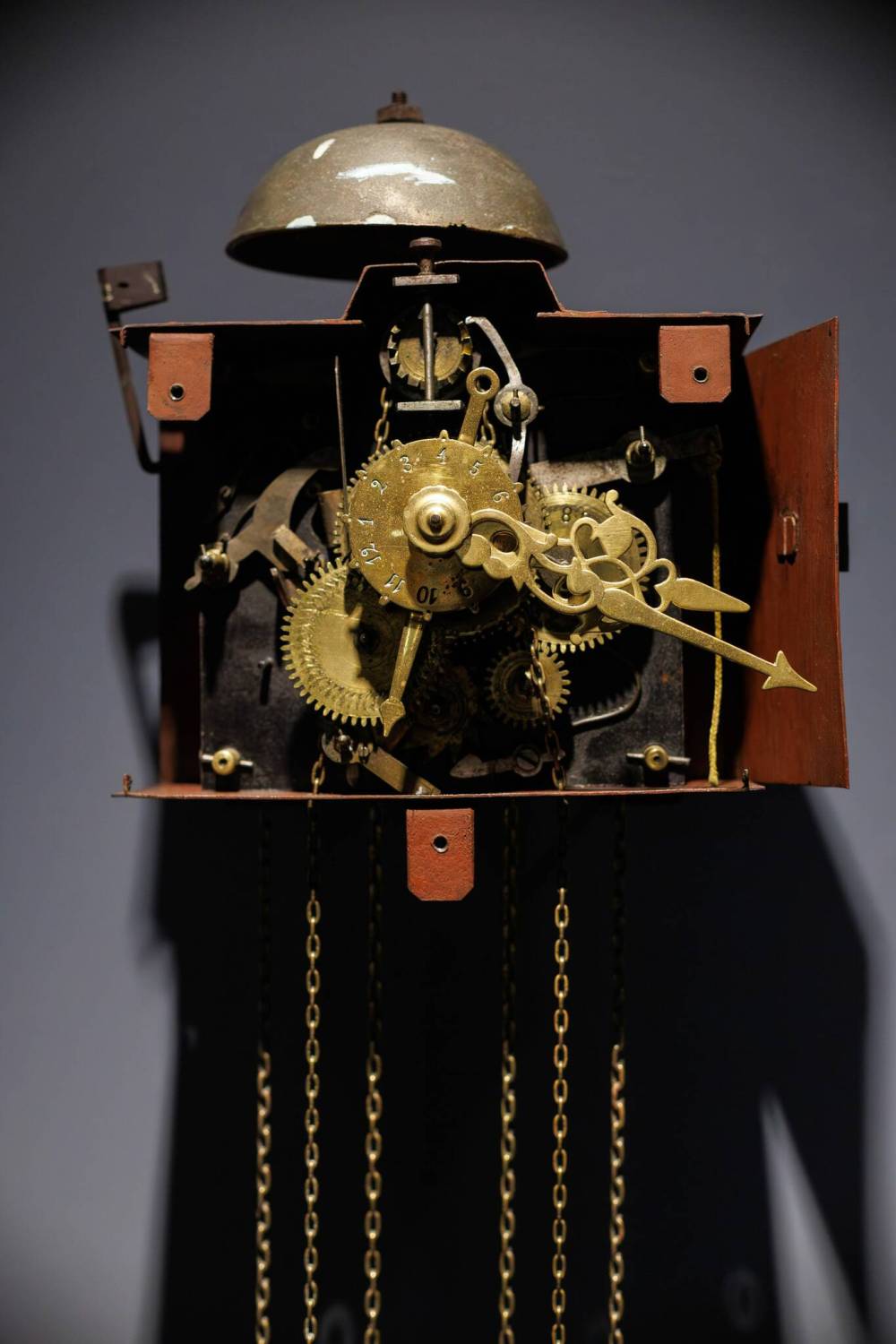
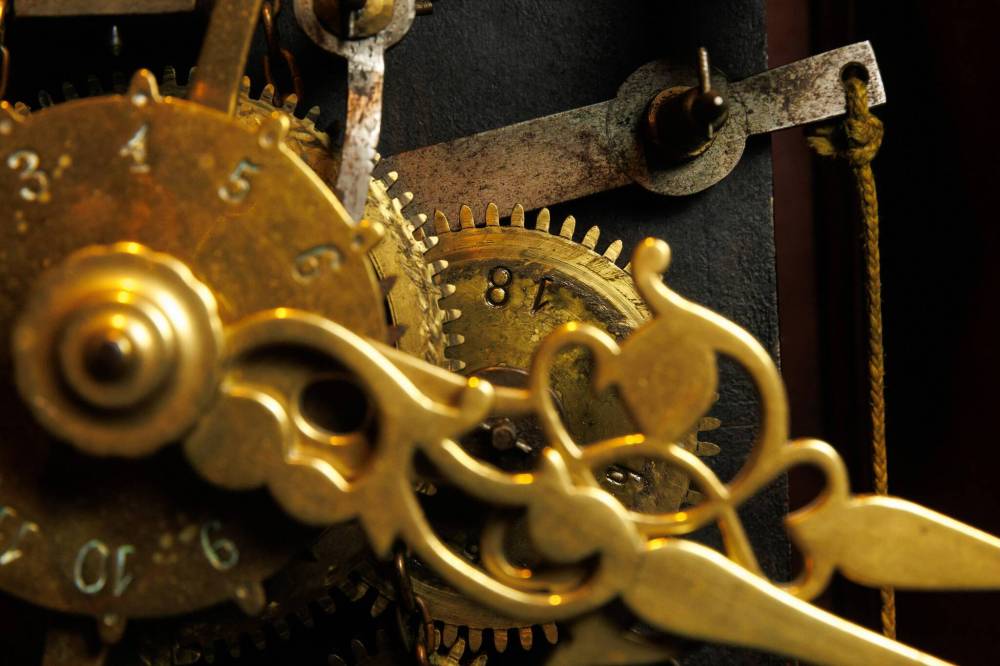
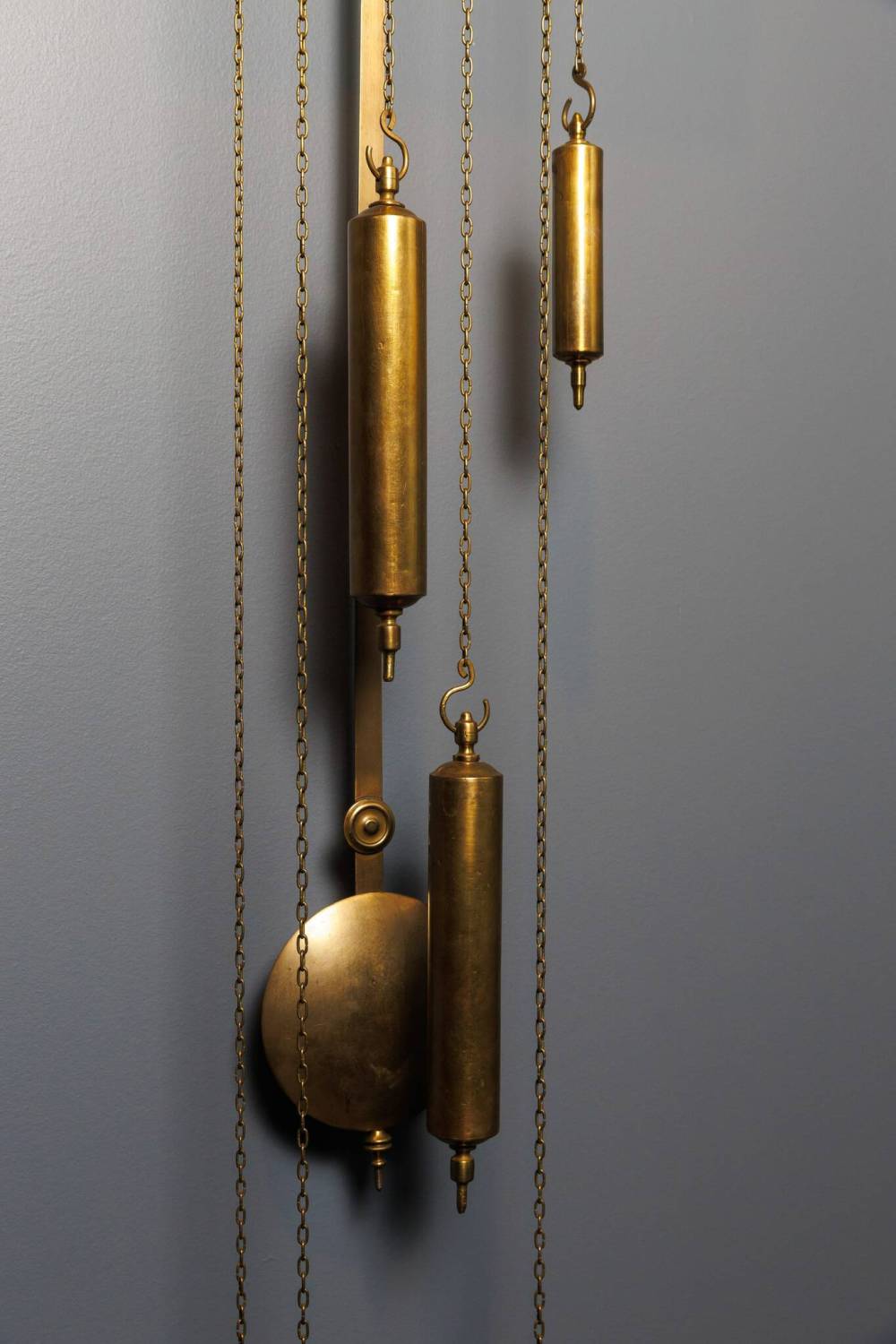
                                This “Cadillac Clock” has all the bells and whistles! It demonstrates the highest sophistication of Mennonite wall clocks, telling the hour, minute, month, and day, and also features an alarm setting (gears and mechanisms, above and below). In contrast to the rope-driven clock, this one has a chain drive. Rope drives required frequent cleaning, as the fibres clogged the mechanism. Chain drives were more expensive but practical.
MIKE DEAL / WINNIPEG FREE PRESS

This “Cadillac Clock” has all the bells and whistles! It demonstrates the highest sophistication of Mennonite wall clocks, telling the hour, minute, month, and day, and also features an alarm setting (gears and mechanisms, above and below). In contrast to the rope-driven clock, this one has a chain drive. Rope drives required frequent cleaning, as the fibres clogged the mechanism. Chain drives were more expensive but practical.

MIKE DEAL / WINNIPEG FREE PRESS
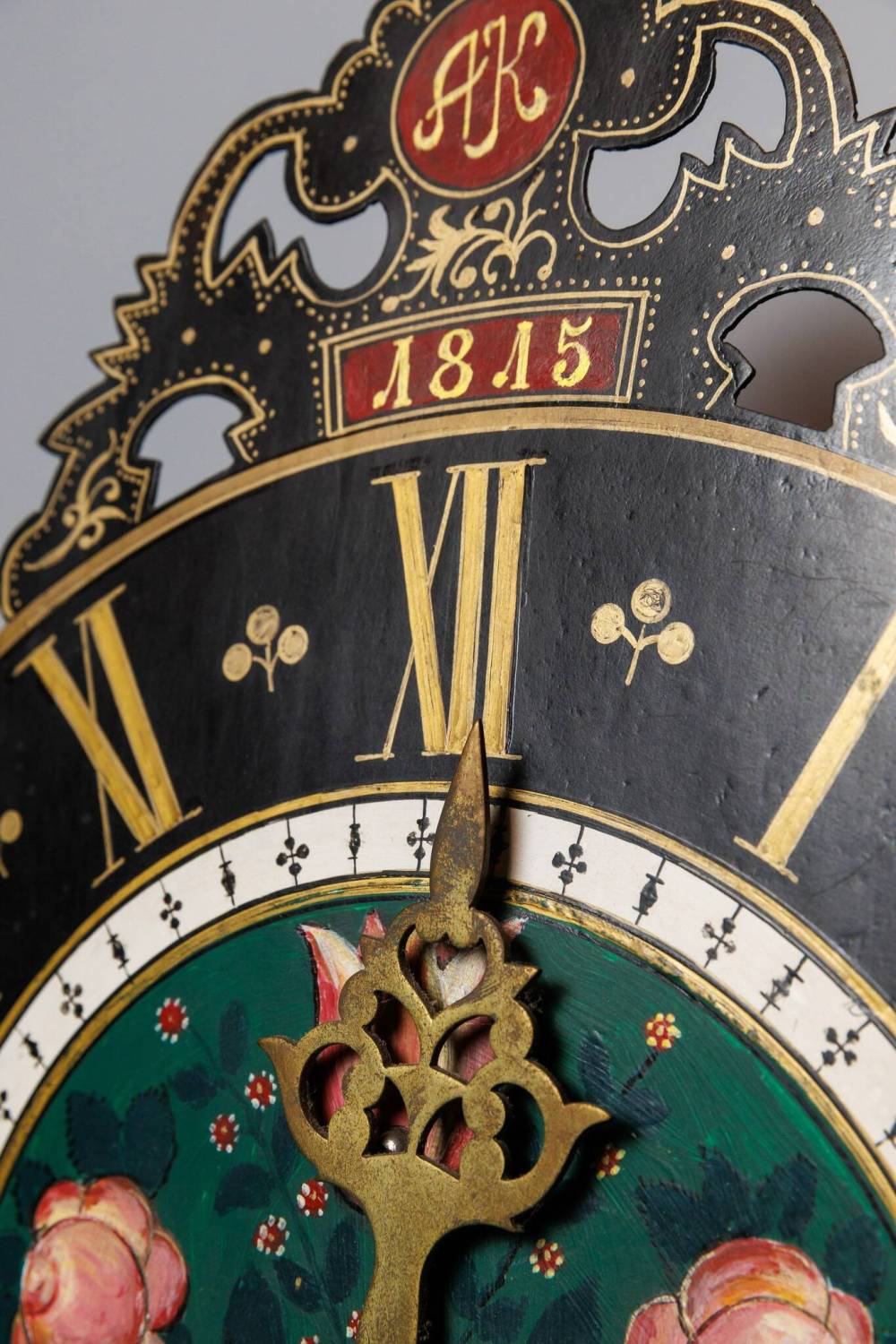
                                The “Cadillac” clock showcases the sophistication and ingenuity of the timepieces.
MIKE DEAL / WINNIPEG FREE PRESS

The “Cadillac” clock showcases the sophistication and ingenuity of the timepieces.

MIKE DEAL / WINNIPEG FREE PRESS
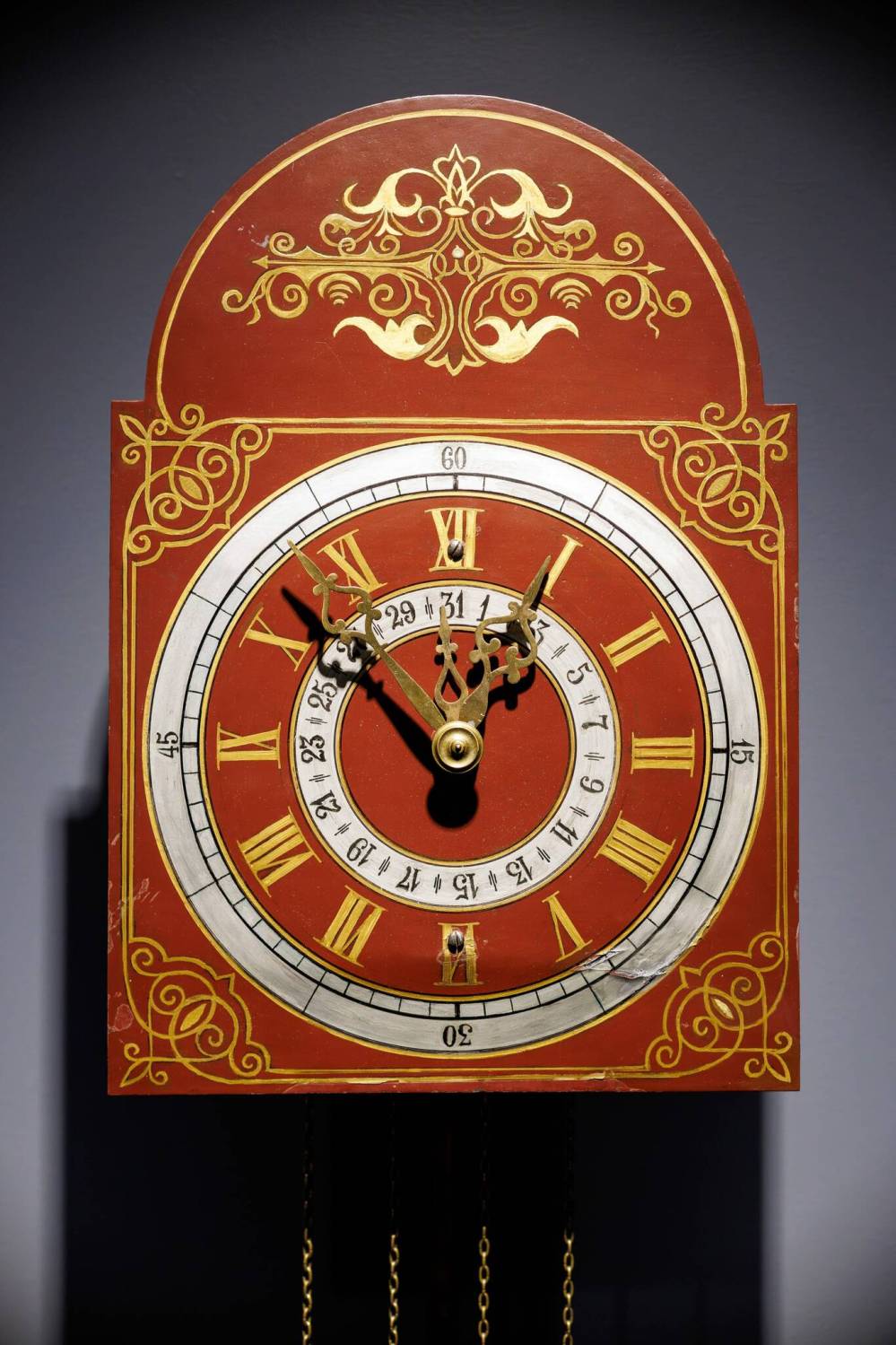
                                Abraham Kroeger (1791–1872) likely made this clock in Rosenthal around 1815.
MIKE DEAL / WINNIPEG FREE PRESS

Abraham Kroeger (1791–1872) likely made this clock in Rosenthal around 1815.

MIKE DEAL / WINNIPEG FREE PRESS
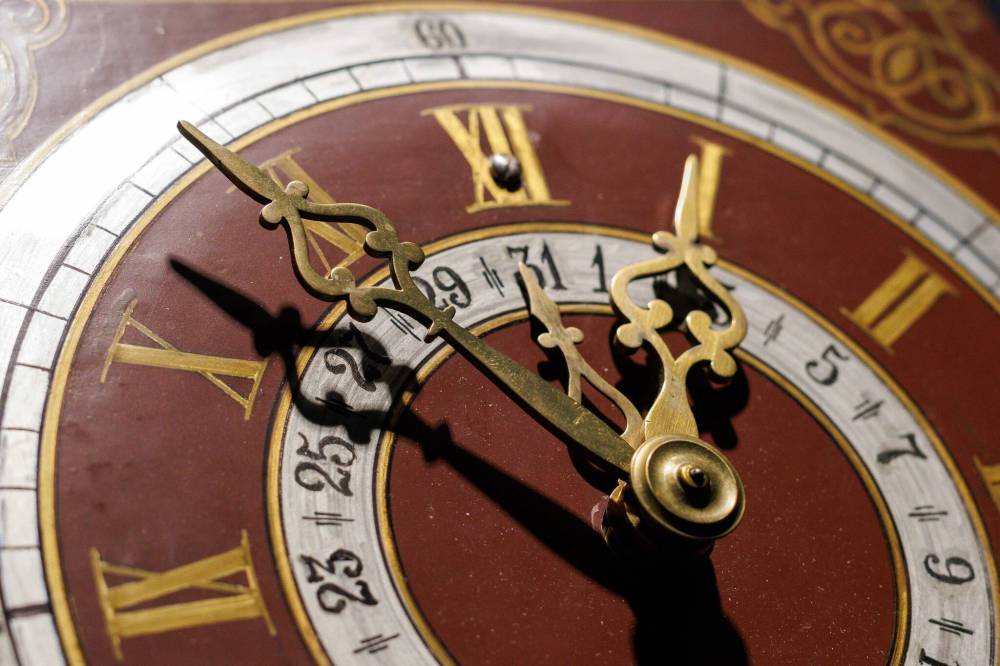
                                The 'Schulz' clock was made during the peak period of Kroeger clock manufacturing, between 1890 and 1910. It was commissioned by a wealthy Mennonite factory owner and would have been one of the most expensive models Kroeger Clockmakers made.
MIKE DEAL / WINNIPEG FREE PRESS

The 'Schulz' clock was made during the peak period of Kroeger clock manufacturing, between 1890 and 1910. It was commissioned by a wealthy Mennonite factory owner and would have been one of the most expensive models Kroeger Clockmakers made.

MIKE DEAL / WINNIPEG FREE PRESS
On the eve of the wedding of Anna Zacharias and Peter Schulz in 1893, the groom's father presented the couple with a Kroger clock to celebrate their marriage. The beautiful clock would become part of their family heritage for generations to follow. The couple's happiness, however, was not to last. In 1914, as war broke out in Europe, Peter died of a heart condition and left Anna a widow. In 1927, the family journeyed across the Atlantic Ocean to Canada, with the precious clock packed in their luggage, a reminder of life and family in Russia. Like Anna and Peter, Mennonite couples often received wall clocks as wedding gifts. Clocks represented a new start for young couples and symbols of prosperity and legacy as they were passed down from one generation to the next.
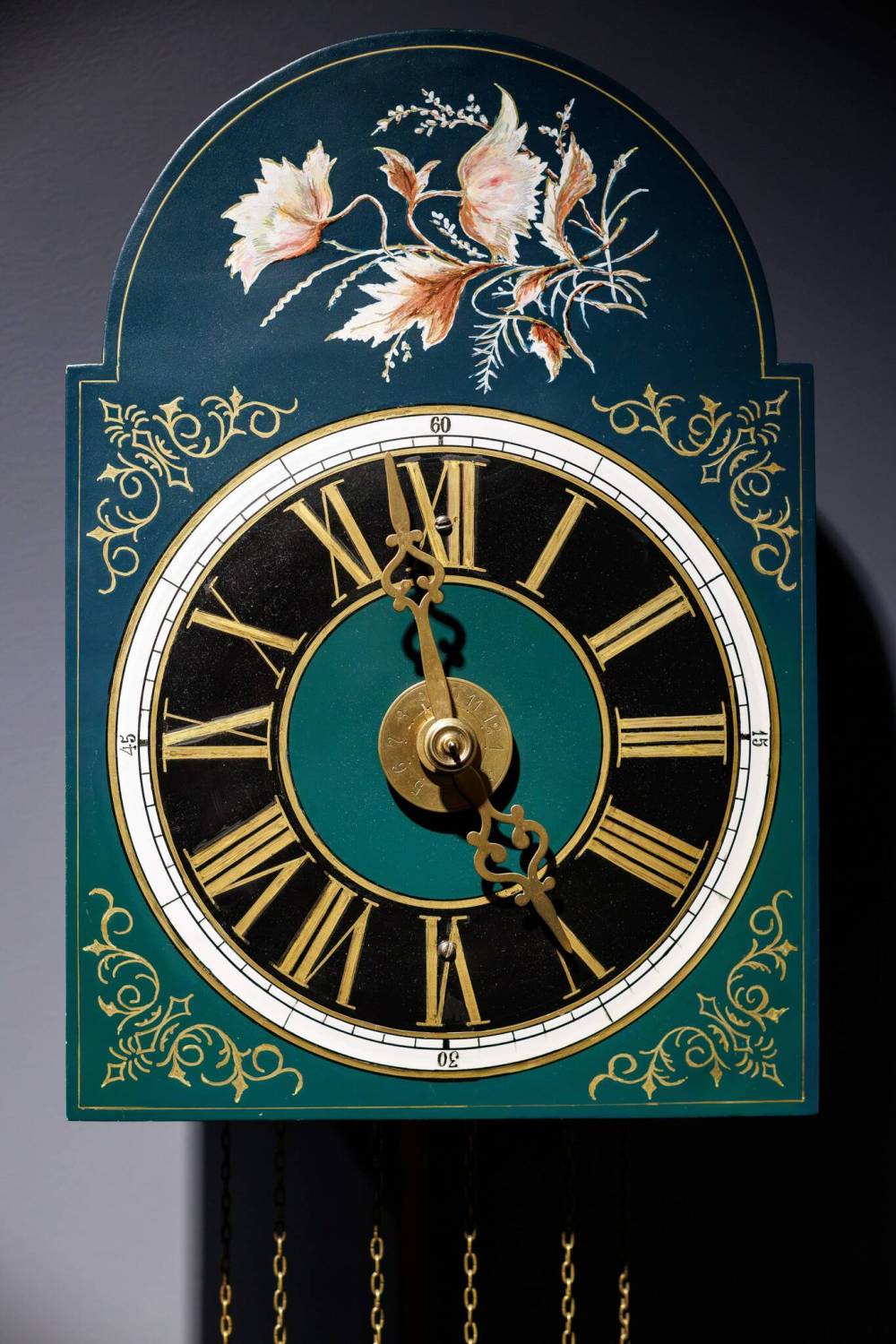
MIKE DEAL / WINNIPEG FREE PRESS

On the eve of the wedding of Anna Zacharias and Peter Schulz in 1893, the groom's father presented the couple with a Kroger clock to celebrate their marriage. The beautiful clock would become part of their family heritage for generations to follow. The couple's happiness, however, was not to last. In 1914, as war broke out in Europe, Peter died of a heart condition and left Anna a widow. In 1927, the family journeyed across the Atlantic Ocean to Canada, with the precious clock packed in their luggage, a reminder of life and family in Russia. Like Anna and Peter, Mennonite couples often received wall clocks as wedding gifts. Clocks represented a new start for young couples and symbols of prosperity and legacy as they were passed down from one generation to the next.

MIKE DEAL / WINNIPEG FREE PRESS 
                                The ‘Zaporoshye’ clock belonged to a family that, despite extreme hardship and suffering, stayed in the Soviet Union.

MIKE DEAL / WINNIPEG FREE PRESS

The ‘Zaporoshye’ clock belonged to a family that, despite extreme hardship and suffering, stayed in the Soviet Union.

MIKE DEAL / WINNIPEG FREE PRESS
This clock beautifully illustrates the decal decorations that adorned Mennonite clocks at the turn of the twentieth century. Replacing hand-painted artwork on clock faces with decals became more efficient when the Industrial Revolution made large-scale production possible.
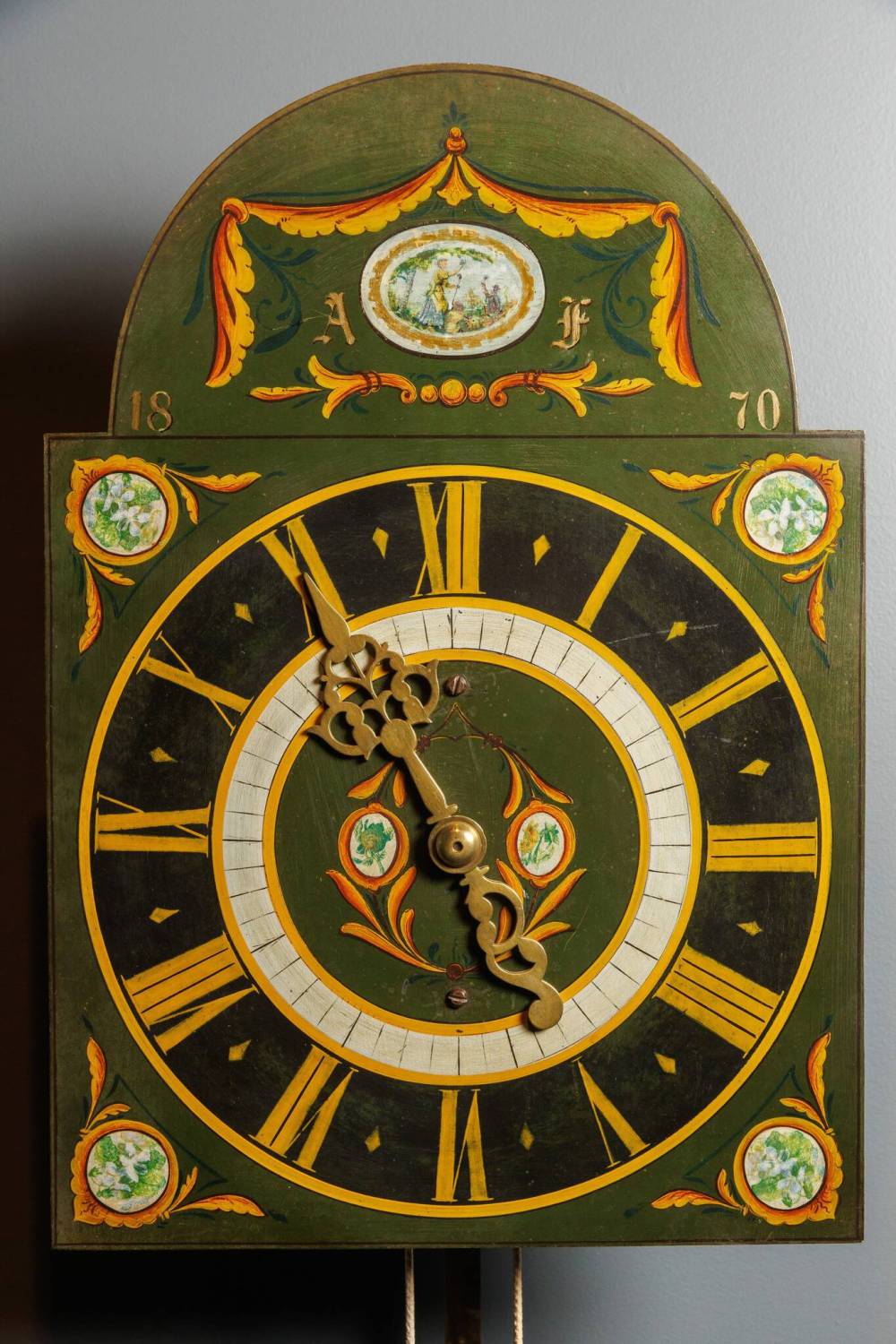
MIKE DEAL / WINNIPEG FREE PRESS

This clock beautifully illustrates the decal decorations that adorned Mennonite clocks at the turn of the twentieth century. Replacing hand-painted artwork on clock faces with decals became more efficient when the Industrial Revolution made large-scale production possible.

MIKE DEAL / WINNIPEG FREE PRESS 
                                The ‘Lilac’ Mandtler (1870) is a one-handed clock. At the time, knowing the exact minute of the day was not crucial.
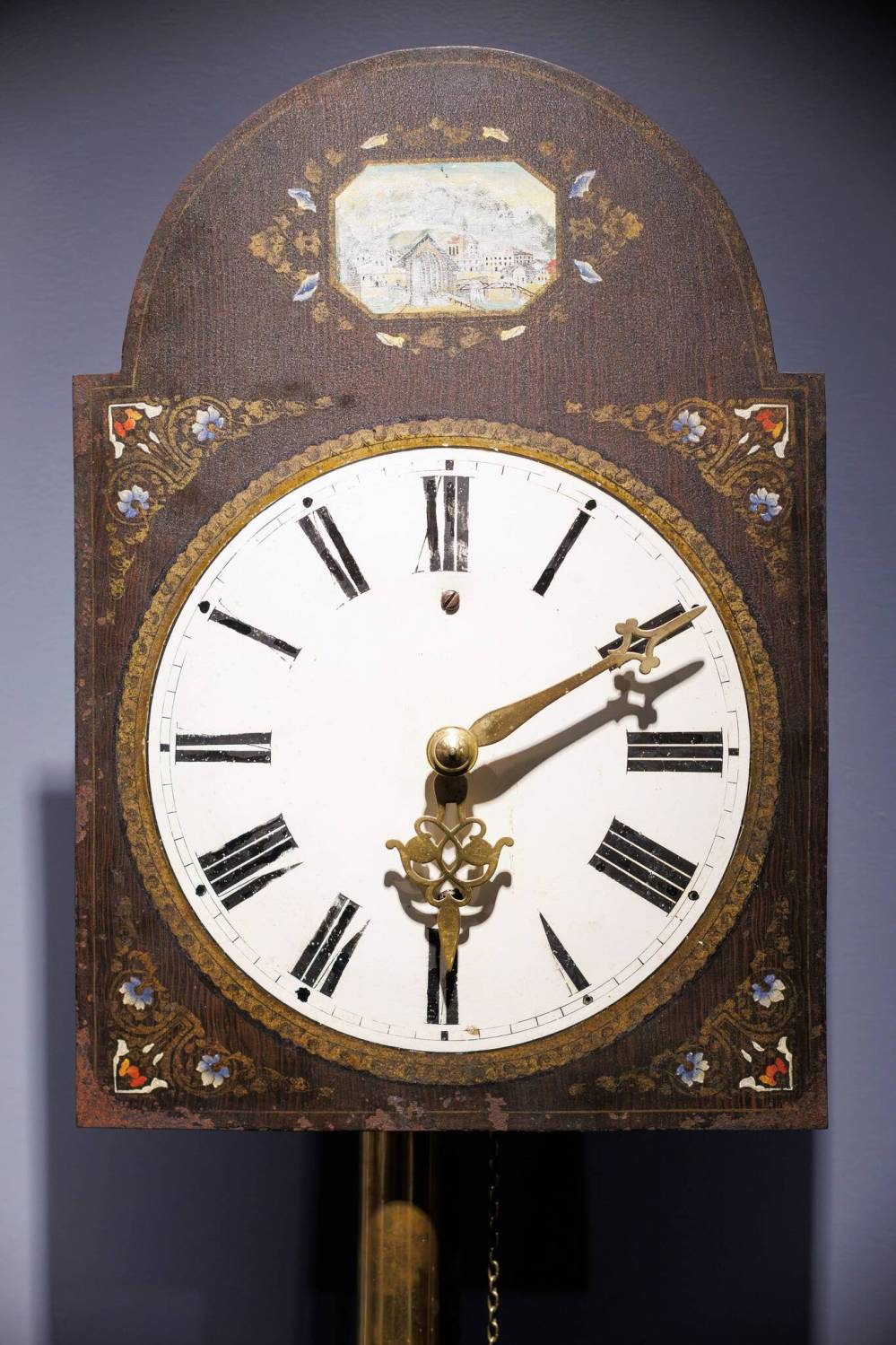
MIKE DEAL / WINNIPEG FREE PRESS

The ‘Lilac’ Mandtler (1870) is a one-handed clock. At the time, knowing the exact minute of the day was not crucial.

MIKE DEAL / WINNIPEG FREE PRESS 
                                Gerhard Mandtler made this clock in 1865. The painted wood grain pattern was unique to Mennonite clocks.
MIKE DEAL / WINNIPEG FREE PRESS

Gerhard Mandtler made this clock in 1865. The painted wood grain pattern was unique to Mennonite clocks.

MIKE DEAL / WINNIPEG FREE PRESS
Fifteen Mennonite wall clocks are on temporary display at the Manitoba Museum in an exhibition developed by the Kroeger Heritage Clocks Foundation, in partnership with the Mennonite Heritage Museum.

MIKE DEAL / WINNIPEG FREE PRESS

Fifteen Mennonite wall clocks are on temporary display at the Manitoba Museum in an exhibition developed by the Kroeger Heritage Clocks Foundation, in partnership with the Mennonite Heritage Museum.

Mike Deal

Mike Deal
Photojournalist

Mike Deal started freelancing for the Winnipeg Free Press in 1997. Three years later, he landed a part-time job as a night photo desk editor.

Our newsroom depends on a growing audience of readers to power our journalism. If you are not a paid reader, please consider becoming a subscriber.

Our newsroom depends on its audience of readers to power our journalism. Thank you for your support.

History

Updated on Thursday, February 15, 2024 2:42 PM CST: Corrects location of exhibit

Updated on Saturday, February 17, 2024 10:17 AM CST: Corrects name of the museums
Report Error Submit a Tip

More Stories

Bisons look to bounce back against Dinos at Murray Field

Joshua Frey-Sam 6 minute read Preview

Bisons look to bounce back against Dinos at Murray Field

Joshua Frey-Sam 6 minute read 3:57 PM CDT

Nathan Udoh has been around long enough to know how quickly things can change in the Canada West conference.

The fifth-year Manitoba Bisons receiver is one of the oldest players in a youthful locker room that is experiencing the ebbs and flows of a U Sports season for the first time, and to say his experience if being leaned on would be an understatement.

“I try to lean on that and help guys who haven’t been in these situations just to keep their heads and how hard you have to play,” Udoh said Wednesday. “I think that’s the biggest thing that there is no snap that you take off, and playing with that intensity is really where it starts.”

The Bisons have already endured a roller-coaster two games into the season. After shocking the country by steamrolling the reigning conference champion Saskatchewan Huskies 40-22 in their season-opener, the Bisons fell back to earth in a 22-8 road loss to the Regina Rams last weekend.

Read
3:57 PM CDT

Queer cinema takes spotlight as Reel Pride returns

Ben Waldman 6 minute read Preview

Queer cinema takes spotlight as Reel Pride returns

Ben Waldman 6 minute read 12:48 PM CDT

This year’s Reel Pride film festival runs to Saturday at the Gas Station Arts Centre.

Read
12:48 PM CDT

Teenage e-scooter driver in critical condition after crash

Chris Kitching 2 minute read 11:10 AM CDT

An electric scooter rider in their late teens suffered life-threatening injuries when they were hit by an SUV in southwest Winnipeg on Monday night.

Police said the collision happened at Waverley Street at Lake Crest Road at about 9:30 p.m.

The e-scooter rider was crossing Waverley when they were hit by a southbound 2010 Honda CR-V driven by a person who was also in their late teens.

The injured youth was in critical condition after the collision. They remained in hospital Wednesday. The driver remained on scene and was interviewed by investigators, police said.

Food literacy curriculum on the menu

Maggie Macintosh 5 minute read Preview

Food literacy curriculum on the menu

Maggie Macintosh 5 minute read 2:01 AM CDT

Manitoba has a new recipe for health class and “food literacy” is a key ingredient.

The in-class portion of phys-ed has historically involved lessons about puberty, the risks of consuming drugs and dissecting Canada’s food guide.

A new pilot program asks teachers to expand their nutrition units and include in-depth discussions about how everything from diet culture to food insecurity affects eating habits.

“This is really moving beyond a conception of food as only fuel, where you just boil down food to its calories, its vitamins,” said Sarah Elvins, a food historian at the University of Manitoba who researches popular culture and marketing.

Read
2:01 AM CDT

A development infused with personal memory

Brent Bellamy 6 minute read Preview

A development infused with personal memory

Brent Bellamy 6 minute read Yesterday at 2:00 AM CDT

I haven’t written here in a while. Early this summer, my mom was unfairly taken from us — from me. Healing, as much as it’s possible, takes time.

Read
Yesterday at 2:00 AM CDT

Powerful personal drama provides both bark and bite

Ben Waldman 4 minute read Preview

Powerful personal drama provides both bark and bite

Ben Waldman 4 minute read 4:22 PM CDT

Well before playwright Rafaella Marcus’ words have the chance to entangle us in the stickiness of Sap, the performance space initiates the task in director Elio Zarrillo’s staging of this discomfiting and affecting story of restraint and liberation.

Shortly after the audience takes its seats in four segments surrounding a central channel — a shimmering tunnel containing cellist Grace Morningstar — it becomes clear as actors Hera Nalam and Liz Whitbread make their way around the tight corners of David Oro and Hazel Venzon’s set that certain actions will go unseen unless viewers keeps their heads on a swivel: in a production meant to uproot understanding, a fixed perspective will never do.

In this vulnerable and powerful production from Theatre by the River (105 minutes) the actors meet the excellence of Marcus’s twisty script, which calls for emotionally draining and jolting depictions of a relationship headed down a rocky road.

Nalam plays a young communications pro for a women’s aid charity whose dating life is a work in progress. She’s bright and optimistic, taking notice of elements of nature that nobody else seems to recognize. On her daily commute, she looks out from the bus window in awe of a home overflowing with branches and leaves.

Read
4:22 PM CDT