

Dense smoke forces First Nations to evacuate

Advertisement
Read this article for free:
or
Already have an account? Log in here »
To continue reading, please subscribe:
Monthly Digital Subscription
$1 per week for 24 weeks*
- Enjoy unlimited reading on winnipegfreepress.com
- Read the E-Edition, our digital replica newspaper
- Access News Break, our award-winning app
- Play interactive puzzles
*Billed as $4.00 plus GST every four weeks. After 24 weeks, price increases to the regular rate of $19.95 plus GST every four weeks. Offer available to new and qualified returning subscribers only. Cancel any time.
Monthly Digital Subscription
$4.99/week*
- Enjoy unlimited reading on winnipegfreepress.com
- Read the E-Edition, our digital replica newspaper
- Access News Break, our award-winning app
- Play interactive puzzles
*Billed as $19.95 plus GST every four weeks. Cancel any time.
To continue reading, please subscribe:
Add Free Press access to your Brandon Sun subscription for only an additional
$1 for the first 4 weeks*
*Your next subscription payment will increase by $1.00 and you will be charged $16.99 plus GST for four weeks. After four weeks, your payment will increase to $23.99 plus GST every four weeks.
Read unlimited articles for free today:
or
Already have an account? Log in here »
Hey there, time traveller!
This article was published 07/07/2019 (2483 days ago), so information in it may no longer be current.
We are in the process of evacuating priority one residents from Little Grand Rapids and Pauingassi First Nations due to smoke from wildfires in the area. pic.twitter.com/QoFc6u8GC1
— Red Cross Manitoba (@RedCrossMB) July 7, 2019
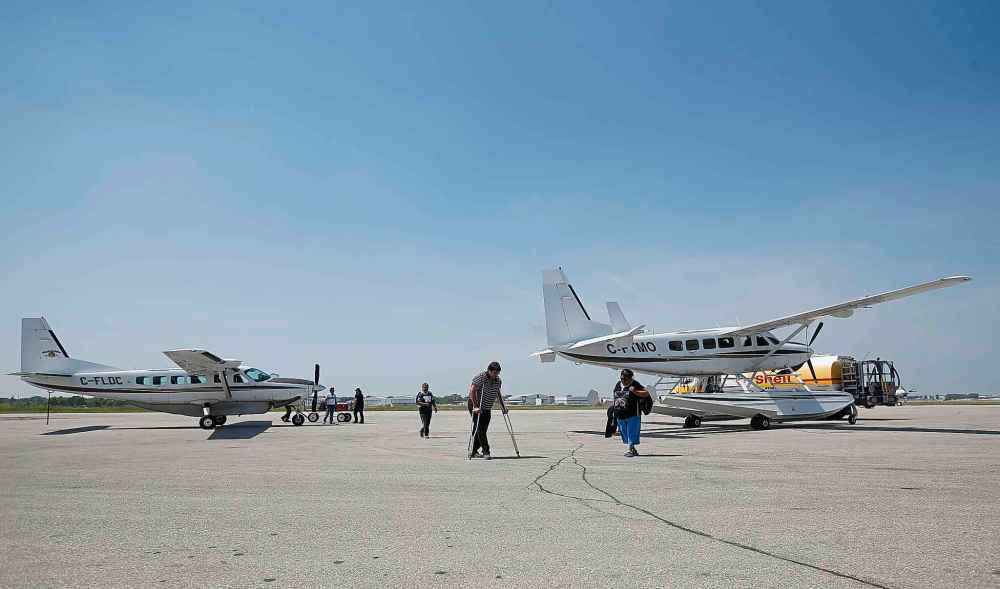
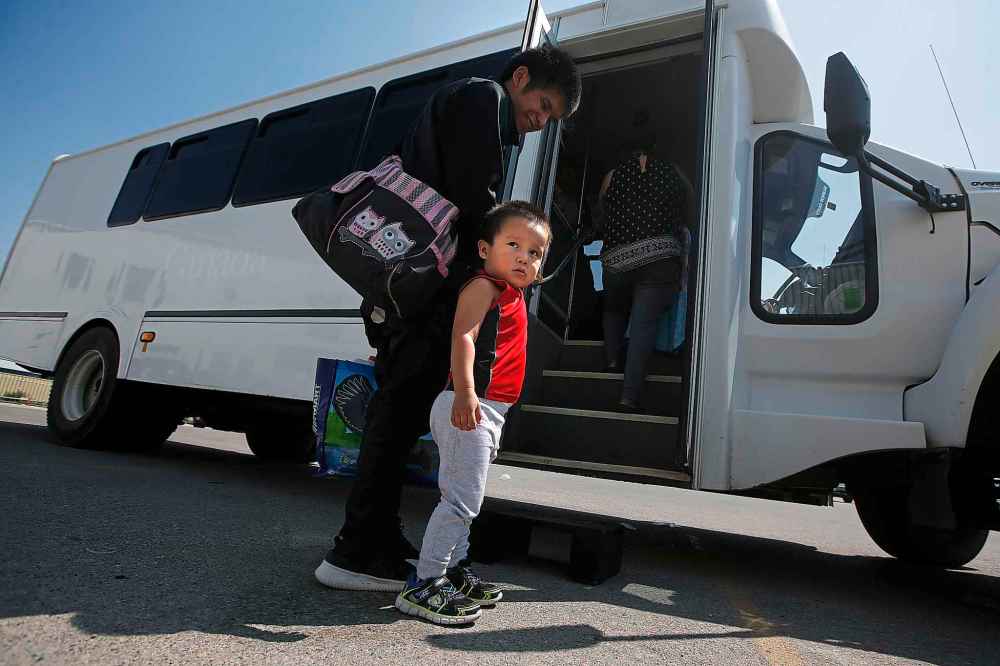
Dense smoke from forest fires has forced the evacuation of babies, seniors and people with breathing problems from two Manitoba Indigenous communities.
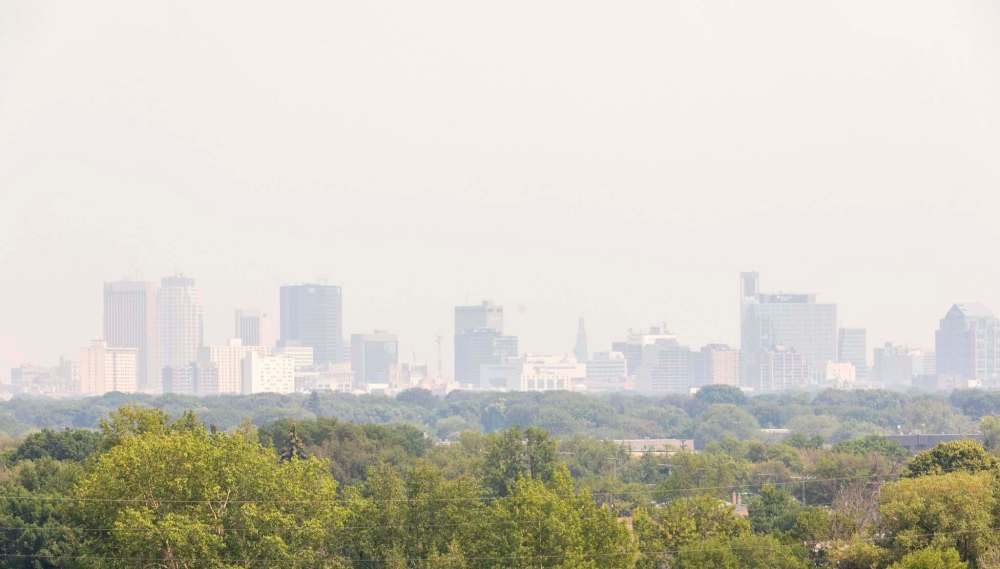
Meanwhile, the special air-quality statement issued by Environment Canada for parts of southern Manitoba this weekend has been lifted for Winnipeg.
As many as 152 infants, seniors, people with respiratory issues, and escorts began being flown out of Little Grand Rapids First Nation to Winnipeg on Saturday night. On Sunday morning, the decision was made to begin evacuating such residents out of the nearby Pauingassi First Nation. Both fly-in communities are on the east side of Lake Winnipeg.
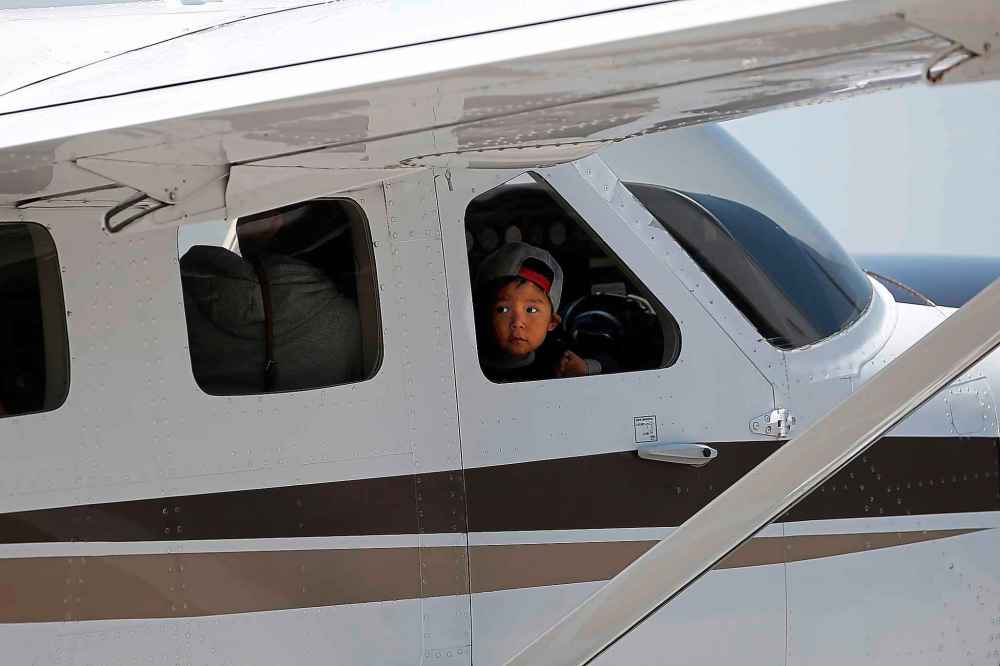
“The priority evacuations from Little Grand Rapids are continuing and should be completed today,” said Michelle Palansky, communications adviser with the Canadian Red Cross in Manitoba.
Palansky said Pauingassi was added because of the smoky conditions, and other communities could also see priority evacuations before the end of the day.
“Everything is fluid,” she said. “Right now a maximum of 76 priority No. 1 plus escorts are being evacuated, so a maximum of 152.”
Palansky said all of the evacuations are due to smoke and not because the communities are threatened by fire.
The Canadian Red Cross is managing evacuations on behalf of the First Nations and Indigenous Services Canada.
The Manitoba government says the smoke is blowing into the province from forest fires in northwestern Ontario.
One of the forest fires, Red Lake Fire 23, is burning about eight kilometres south of the community of Keewaywin, Ont., and has forced more than 450 residents to be evacuated in the last week.
The federal government has agreed to deploy the Canadian Armed Forces to help evacuate First Nation communities in northwestern Ontario affected by the fire, including the Pikangikum First Nation, located southwest of Keewaywin.
Meanwhile, while Environment Canada has lifted the public weather alert for the elevated pollution levels due to smoke in Winnipeg, as well as west and southwest of the city including Portage la Prairie, Winkler, and Morris, the alert remains in effect for the eastern side of Lake Winnipeg down to the U.S. border.
“The area of smoke is confined to the area with the air quality statement,” Brent Lowry, an Environment Canada meteorologist, said on Sunday. “It also includes parts of northwest Ontario.”
Lowry said rain is in the forecast for Monday and Tuesday. it could help, but also hurt, the situation.
He said the rain forecast for Monday could include lightning while a steady rain is predicted for Tuesday.
“New fires are caused by lightning,” Lowry said.

“Most of Monday’s will be south of where the fires are burning, but on Tuesday it is more widespread rain so that may help the fire conditions.”
“The Canadian, U.S., and European models all agree there will be a decent amount of rain, from 25 to 50 mm. That’s fairly significant.”
Lowry said the smoky conditions peaked in Winnipeg on Saturday from 3 p.m. to 7 p.m., and, with wind blowing from the south, the situation in Winnipeg should gradually improve.
kevin.rollason@freepress.mb.ca
Kevin Rollason is a general assignment reporter at the Free Press. He graduated from Western University with a Masters of Journalism in 1985 and worked at the Winnipeg Sun until 1988, when he joined the Free Press. He has served as the Free Press’s city hall and law courts reporter and has won several awards, including a National Newspaper Award. Read more about Kevin.
Every piece of reporting Kevin produces is reviewed by an editing team before it is posted online or published in print — part of the Free Press‘s tradition, since 1872, of producing reliable independent journalism. Read more about Free Press’s history and mandate, and learn how our newsroom operates.
Our newsroom depends on a growing audience of readers to power our journalism. If you are not a paid reader, please consider becoming a subscriber.
Our newsroom depends on its audience of readers to power our journalism. Thank you for your support.
Kevin Rollason is a general assignment reporter at the Free Press. He graduated from Western University with a Masters of Journalism in 1985 and worked at the Winnipeg Sun until 1988, when he joined the Free Press. He has served as the Free Press’s city hall and law courts reporter and has won several awards, including a National Newspaper Award. Read more about Kevin.
Every piece of reporting Kevin produces is reviewed by an editing team before it is posted online or published in print — part of the Free Press‘s tradition, since 1872, of producing reliable independent journalism. Read more about Free Press’s history and mandate, and learn how our newsroom operates.
Our newsroom depends on a growing audience of readers to power our journalism. If you are not a paid reader, please consider becoming a subscriber.
Our newsroom depends on its audience of readers to power our journalism. Thank you for your support.
Related Articles
More residents being moved out of Pikangikum as crews fight forest fire
Advertisement Advertise With Us
Advertisement Advertise With Us
History
Updated on Sunday, July 7, 2019 2:25 PM CDT: Photos of evacuees added
Updated on Sunday, July 7, 2019 3:26 PM CDT: Adds that air quality alert lifted for Winnipeg