

Free Press tied to city’s birth, growth; we’re not history yet

Advertisement
Read this article for free:
or
Already have an account? Log in here »
To continue reading, please subscribe:

Digital Subscription
One year of digital access for only $205*
- Enjoy unlimited reading on winnipegfreepress.com
- Read the E-Edition, our digital replica newspaper
- Access News Break, our award-winning app
- Play interactive puzzles
*First annual payment billed as $205.00 + GST for one year. This annual subscription will automatically renew at $233.00 + GST every 52 weeks (10% off the regular annual price of $259.35). Offer available to new and qualified returning subscribers only. Cancel any time.
To continue reading, please subscribe:
Add Free Press access to your Brandon Sun subscription for only an additional
$1 for the first 4 weeks*
- Enjoy unlimited reading on winnipegfreepress.com
- Read the E-Edition, our digital replica newspaper
- Access News Break, our award-winning app
- Play interactive puzzles
*Your next Brandon Sun subscription payment will increase by $1.00 and you will be charged $17.95 plus GST for four weeks. After four weeks, your payment will increase to $24.95 plus GST every four weeks.
Read unlimited articles for free today:
or
Already have an account? Log in here »
Hey there, time traveller!
This article was published 04/04/2019 (2723 days ago), so information in it may no longer be current.
This newspaper has been here a long time, you know. Long enough for our memories to be called history and our name to grow old, and when I was just a girl the Free Press felt woven into the very fabric of the city. Its existence was reassuring and familiar, as indivisible from Winnipeg’s landscape as the railroads and rivers.
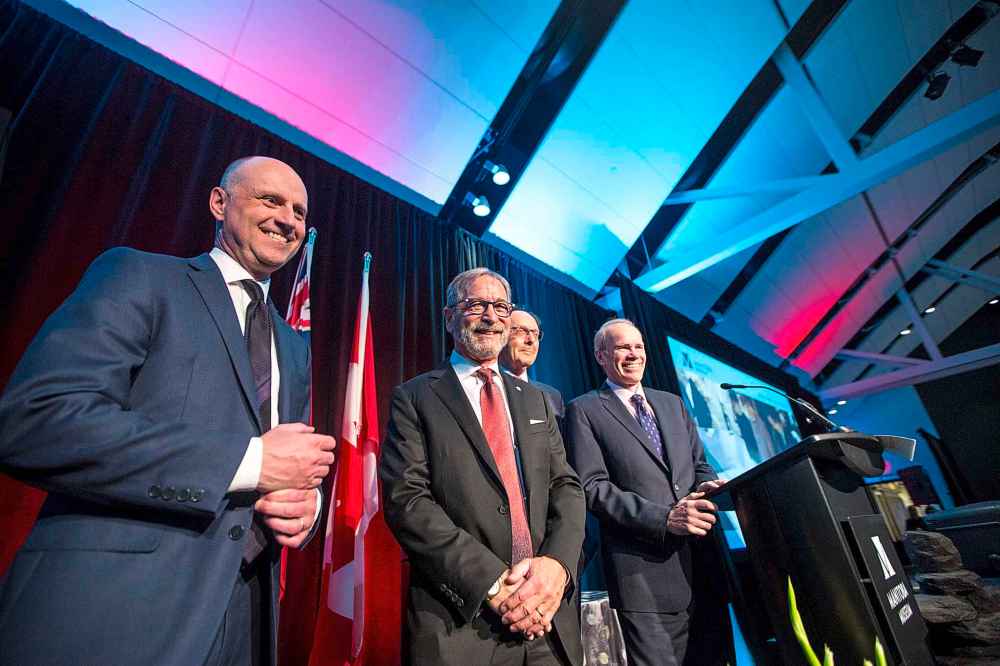
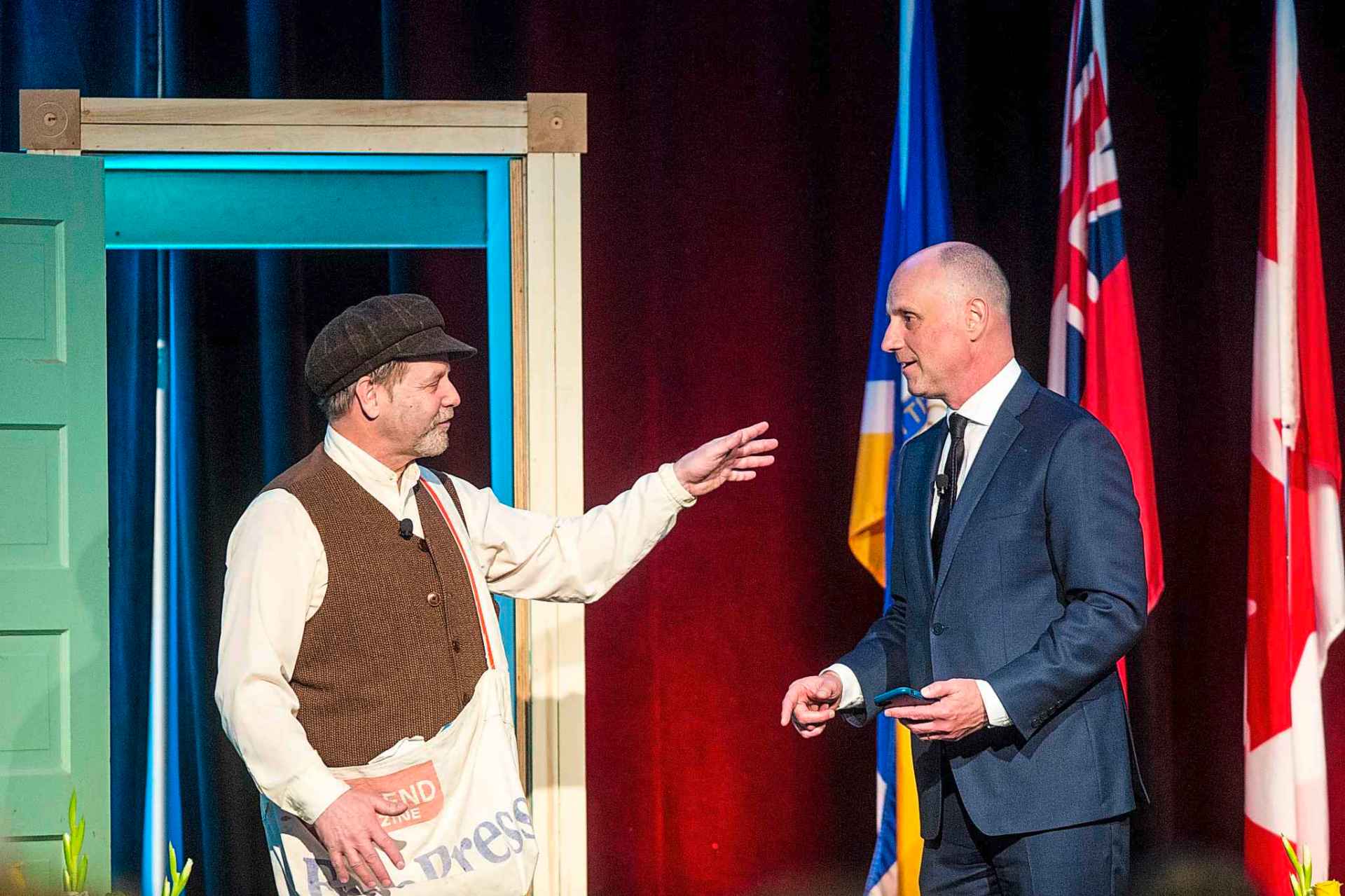
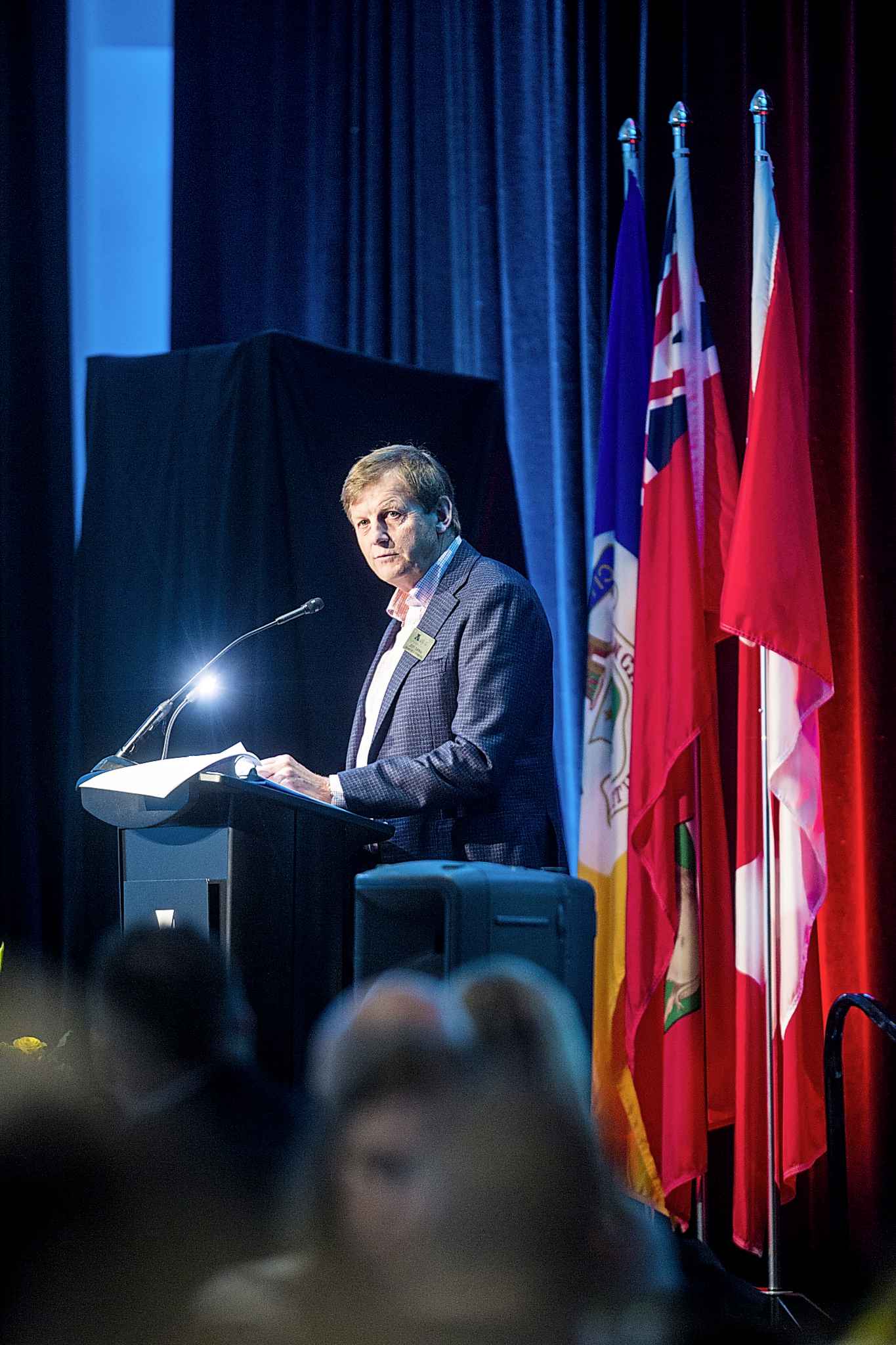
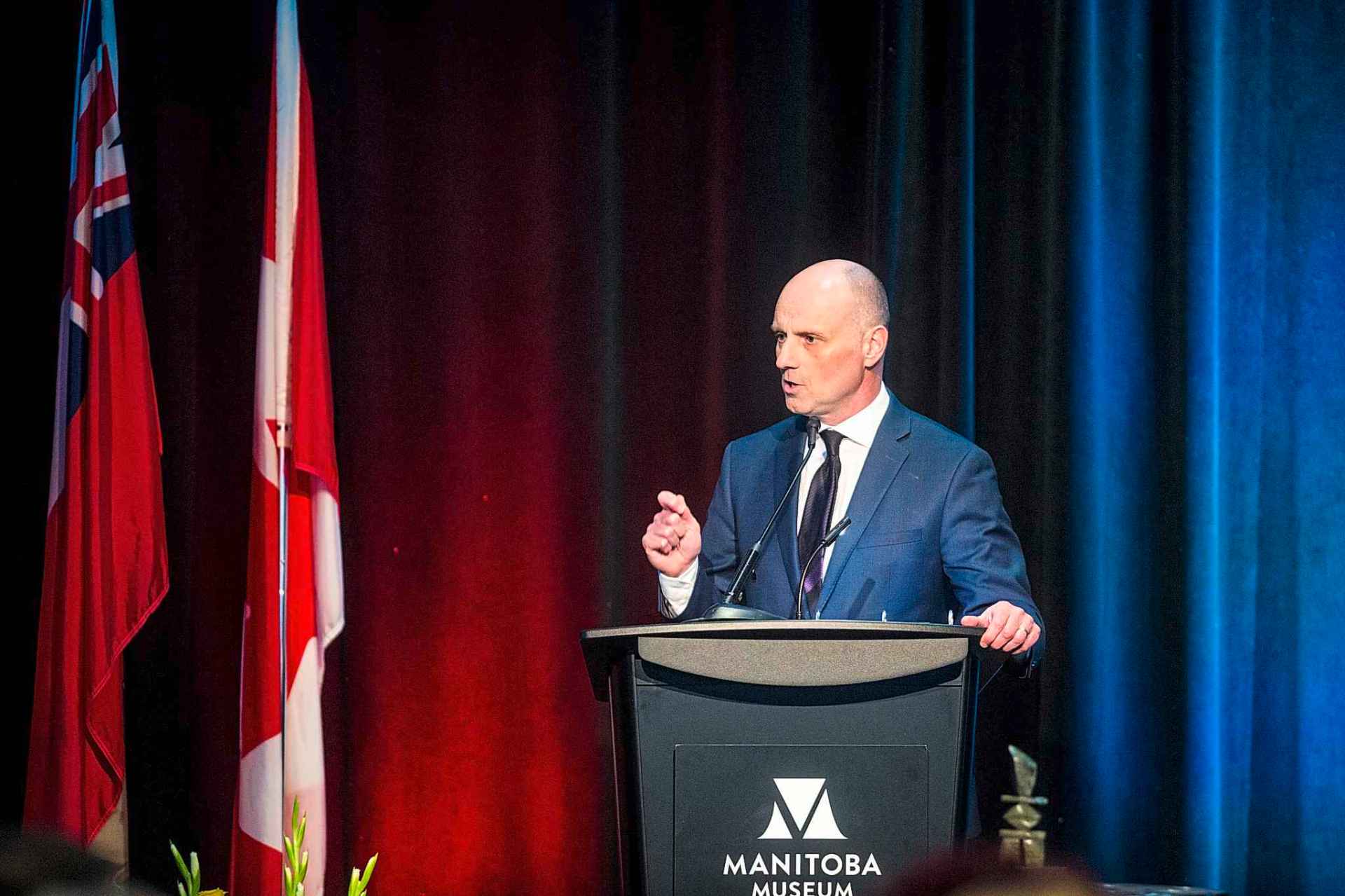
Yet nothing lasts forever and sometimes, it’s nice to be remembered. So on Thursday night, when the Manitoba Museum honoured the Free Press at its 2019 tribute gala, that recognition mattered. And yes, it’s always a little awkward to pause and pat oneself on the back, so forgive this indulgence; but this isn’t just about that.
At its heart, this is a story about belonging. In a way, Free Press editor Paul Samyn pointed out at the gala, being lauded at the museum was just bringing that story full circle: the very first Free Press office, little more than a clapboard shack on Main Street, sat on the same patch of land the Manitoba Museum occupies today.
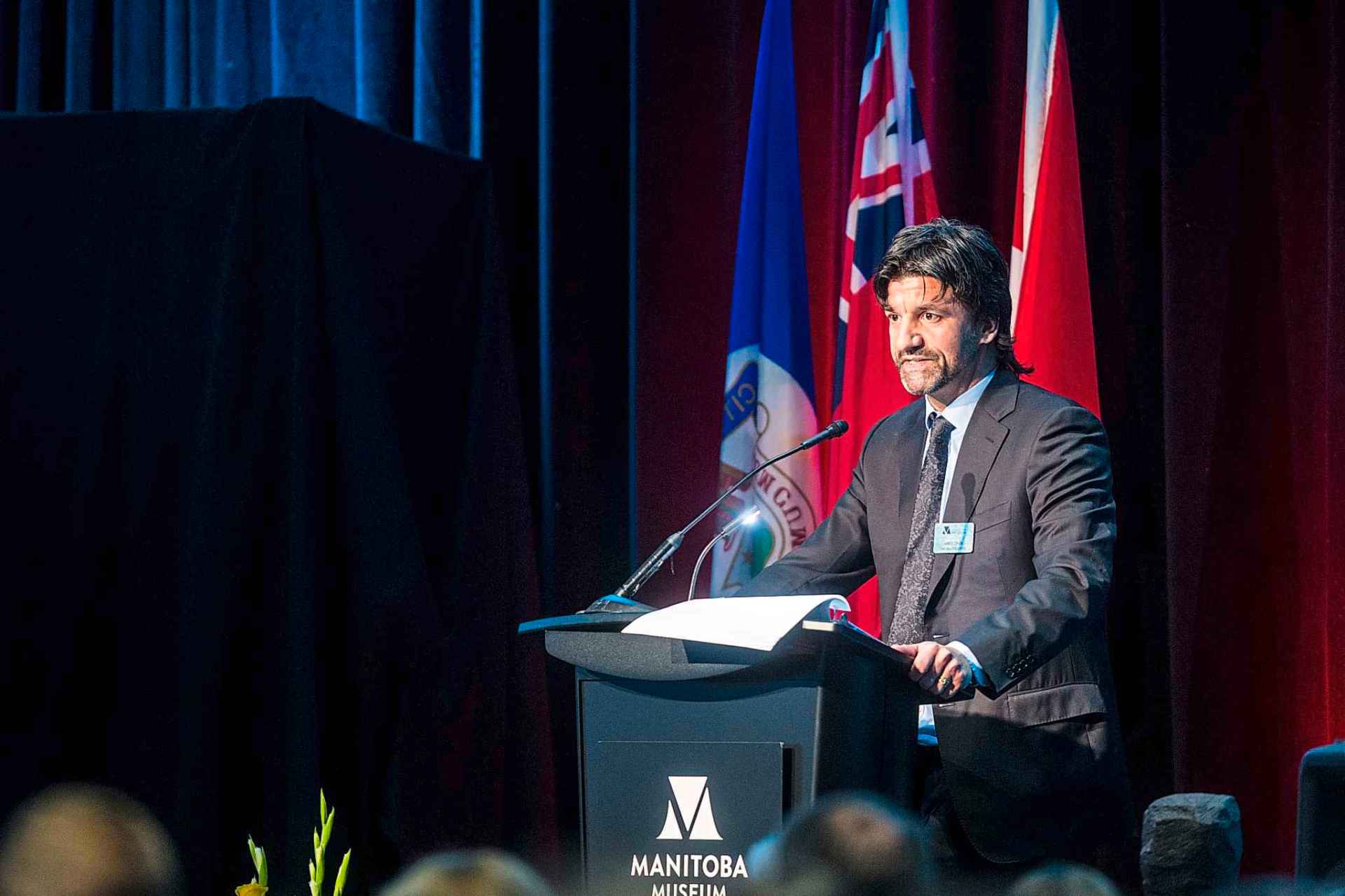
“There are ghosts among us, and those ghosts smell of printer’s ink,” Free Press publisher Bob Cox said, on stage.
The connection between museum and newspaper runs deeper than place. In a way, we do the same work. We put light on our community’s stories, knowing it is only through memories that we can know who we are; and whether saved behind glass in a gallery, or by ink in the paper, the stories we hold spring from the same source.
A headline becomes an artifact the moment it’s made. What is news in our city today, is history by tomorrow.
And the histories of this province and paper are inextricably connected, so close in age that one never really knew a time without the other. When Manitoba was born in 1870, emerging from the spirit of Métis resistance, the paper was not far behind: next year, the province will turn 150 years old. The paper is just two years younger.
So the two grew up together, bound by the same tribulations, weathering the same storms of nature and culture and politics. The Free Press witnessed Winnipeg be born and rise as a city; it was there when the first train rolled into town. Every time the Red River Valley flooded, our reporters were out in the water, boots sinking into the muck.
And we belong to this province, in ways that go beyond stories. In an era where newspapers are being sucked up by hedge funds and massive corporations, the Free Press is one of the few to escape the trend of amalgamation. We remain independently owned. Every decision that shapes our coverage is made by, and for, Manitobans.








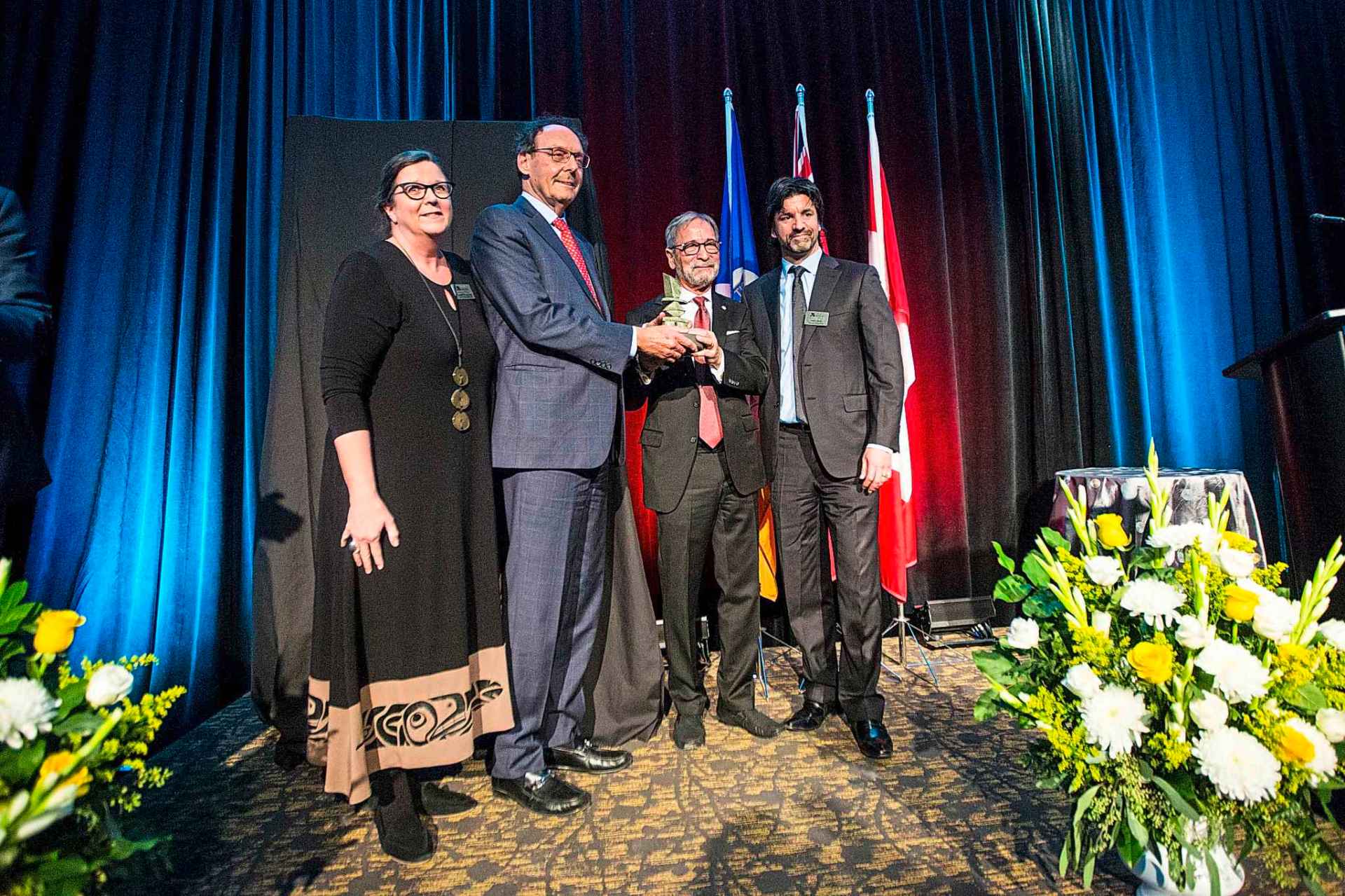
But that story, like all stories, may not last forever. Once, not long ago, it was hard to imagine a Manitoba that did not include the Free Press. It would have been even stranger to envision a day that the paper would stand only behind glass at the museum, and not in the hands of our readers.
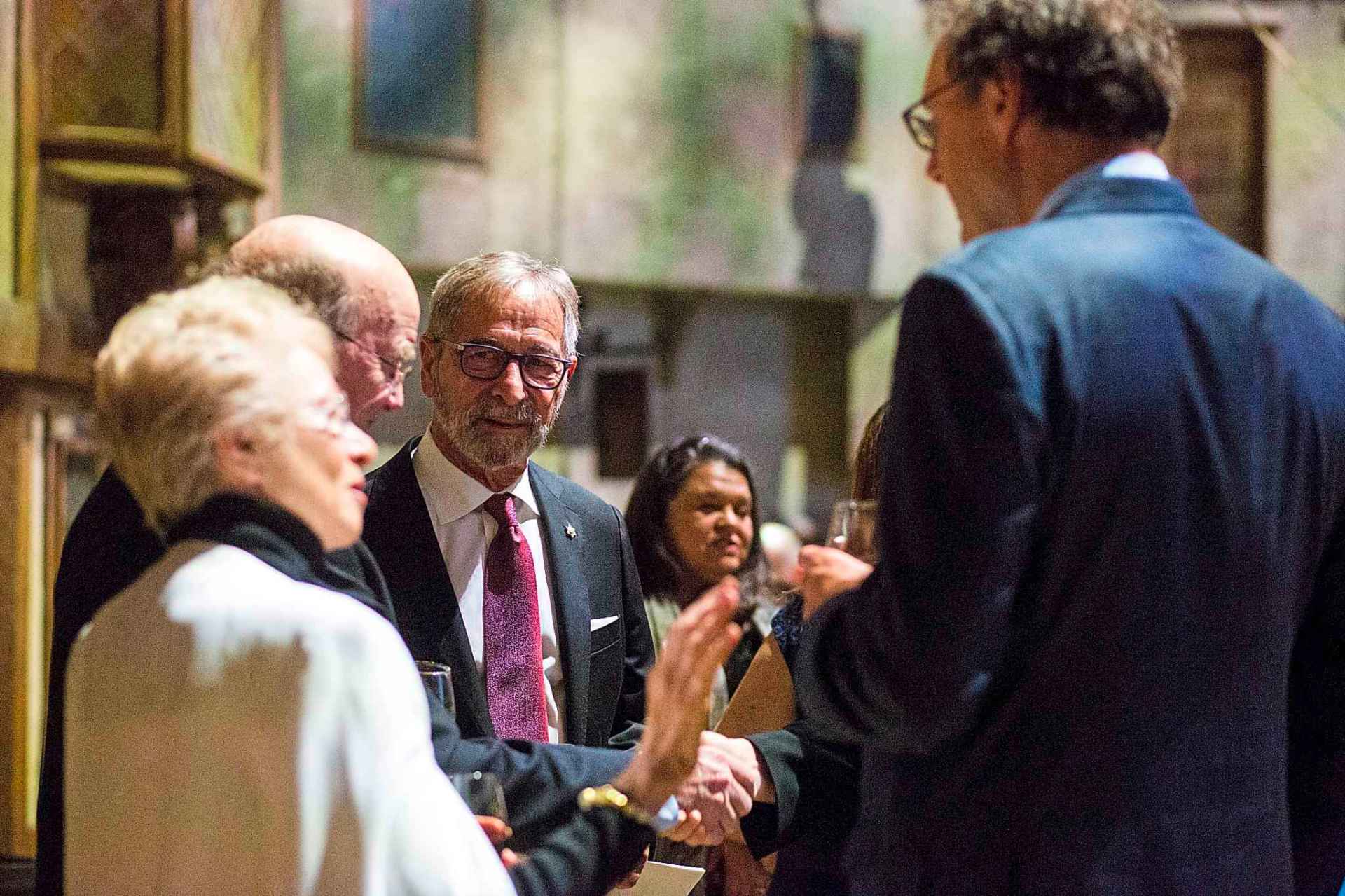
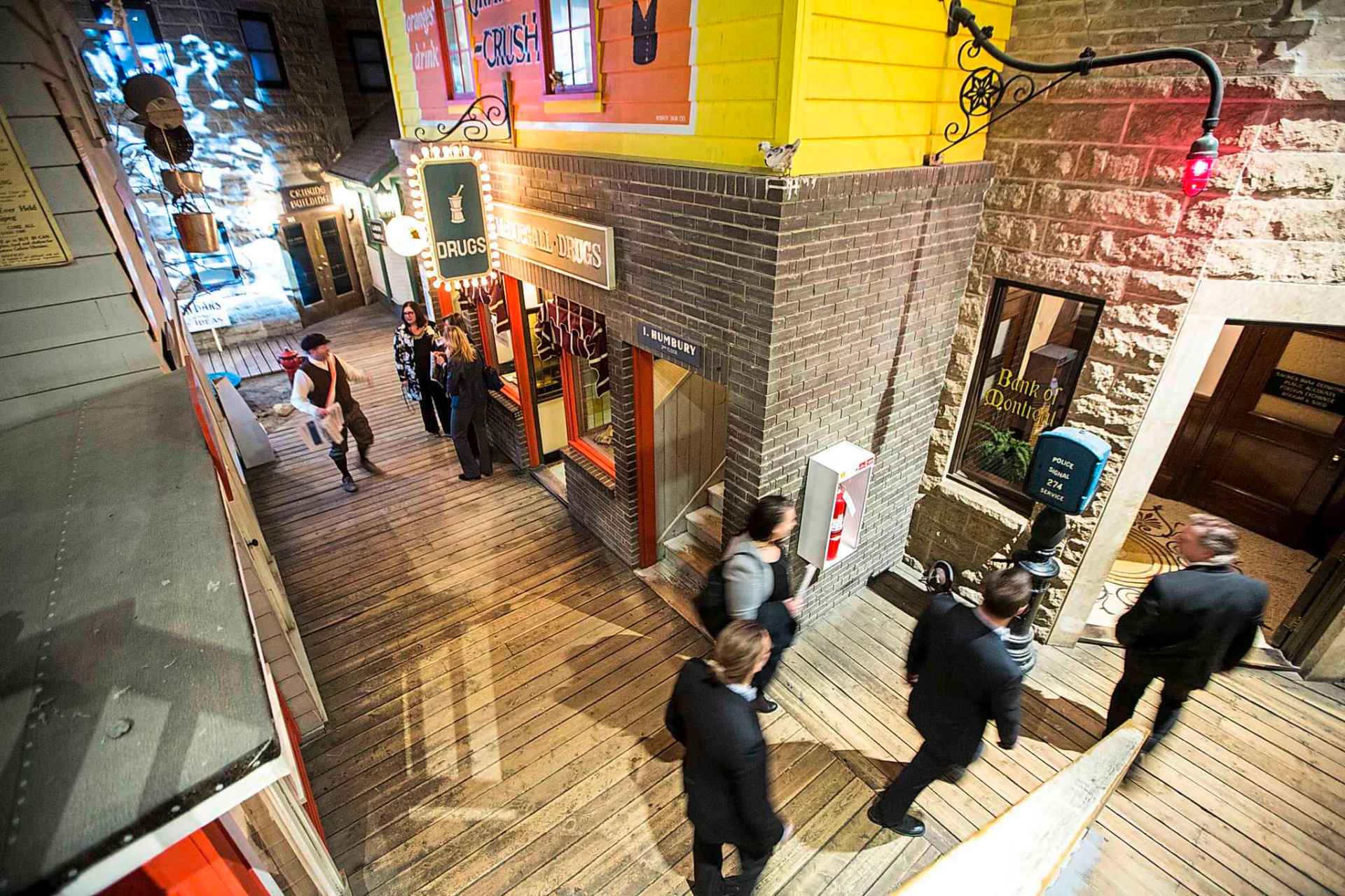
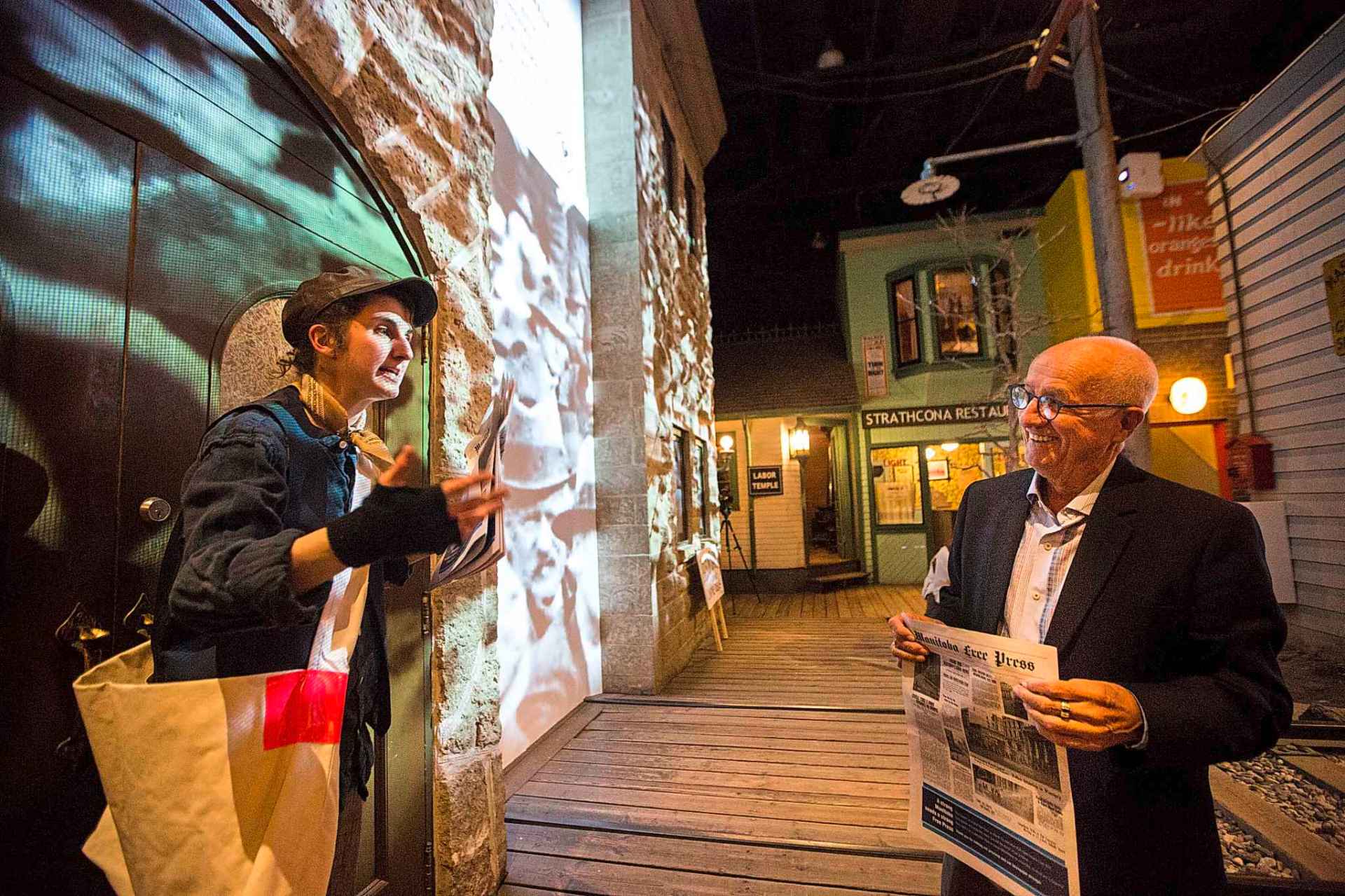
Not so hard to imagine, anymore. The times are changing, and now the twinned history of paper and province are fraying, threatened to come apart. So as the glittering crowd filed into the museum Thursday night to pay tribute to the Free Press’s history, it was also a time to think about what the future could look like.
Everyone knows the media is battered. The reasons are both complex and simple: the rise of digital media shattered revenue models that once enabled regional newspapers such as ours to thrive. Nearly two decades into this steady decline, few outlets not named the Washington Post or the New York Times have found a solution.
So every year, despite strong and rising readership online, newspaper revenue falls, and the critical social infrastructure North American journalism shrinks a little further. Nearly every print media outlet on the continent has suffered from devastating layoffs, budget cuts and dwindling resources; the Free Press is no exception.
“We have never faced more challenging times,” Cox told the gala crowd. “At no time in our history have we faced a more uncertain future, yet at no time has there been a greater need for the journalism that we do, for a reliable set of facts that enables this community to be in conversation with itself.”
That has, after all, always been our mission. From the earliest days of the paper, when two men named W.F. Luxton and John A. Kenny brought a printing press to Main Street and endeavoured to, in Cox’s words, “help build this tiny community by telling it about itself, and about the outside world,” we have always known where we belong.

Now, as the Free Press fights to survive in an economic landscape that has already claimed too many newspaper victims, we find our foundation in that belonging. The paper has always been as tenacious as the wider province around us, the one we call home, the one whose every story was documented by our own.
We’ve walked a long road together, Manitoba and the Free Press. We’ve tumbled through the years, growing and changing, but some things stay the same. This is where the paper was born, where we belong and where, with the commitment of our staff and our readers, we will remain.
We’re not history yet.
Proceeds from the gala went to the museum’s Access for All program, which helps ensure youth from across Manitoba have a chance to visit. Past honourees have included the Chipman family, The Winnipeg Foundation and philanthropists Abdo and Samira el Tassi.
melissa.martin@freepress.mb.ca
Melissa Martin
Reporter-at-large
Melissa Martin reports and opines for the Winnipeg Free Press.
Every piece of reporting Melissa produces is reviewed by an editing team before it is posted online or published in print — part of the Free Press‘s tradition, since 1872, of producing reliable independent journalism. Read more about Free Press’s history and mandate, and learn how our newsroom operates.
Our newsroom depends on a growing audience of readers to power our journalism. If you are not a paid reader, please consider becoming a subscriber.
Our newsroom depends on its audience of readers to power our journalism. Thank you for your support.
Melissa Martin
Reporter-at-large
Melissa Martin reports and opines for the Winnipeg Free Press.
Every piece of reporting Melissa produces is reviewed by an editing team before it is posted online or published in print — part of the Free Press‘s tradition, since 1872, of producing reliable independent journalism. Read more about Free Press’s history and mandate, and learn how our newsroom operates.
Our newsroom depends on a growing audience of readers to power our journalism. If you are not a paid reader, please consider becoming a subscriber.
Our newsroom depends on its audience of readers to power our journalism. Thank you for your support.
Advertisement Advertise With Us
Advertisement Advertise With Us