

‘We want them to understand, not fear’: treaty commissioner invites school staff to education sessions

Advertisement
Read this article for free:
or
Already have an account? Log in here »
To continue reading, please subscribe:

Digital Subscription
One year of digital access for only $205*
- Enjoy unlimited reading on winnipegfreepress.com
- Read the E-Edition, our digital replica newspaper
- Access News Break, our award-winning app
- Play interactive puzzles
*First annual payment billed as $205.00 + GST for one year. This annual subscription will automatically renew at $233.00 + GST every 52 weeks (10% off the regular annual price of $259.35). Offer available to new and qualified returning subscribers only. Cancel any time.
To continue reading, please subscribe:
Add Free Press access to your Brandon Sun subscription for only an additional
$1 for the first 4 weeks*
- Enjoy unlimited reading on winnipegfreepress.com
- Read the E-Edition, our digital replica newspaper
- Access News Break, our award-winning app
- Play interactive puzzles
*Your next Brandon Sun subscription payment will increase by $1.00 and you will be charged $17.95 plus GST for four weeks. After four weeks, your payment will increase to $24.95 plus GST every four weeks.
Read unlimited articles for free today:
or
Already have an account? Log in here »
Hey there, time traveller!
This article was published 27/10/2021 (1773 days ago), so information in it may no longer be current.
Loretta Ross likens the premise of a treaty to the fundamental point of pinky-promises.
In fact, the Manitoba treaty commissioner recommends elementary school teachers use a discussion about promises as a jumping-off point for treaty education.
“Two parties came together and made a promise on how to live well together,” says Ross, describing, in simple terms, the underpinning of seven documents (Treaty Nos. 1, 2, 3, 4, 5, 6, and 10) signed between First Nations people and the state to outline terms to share the territory within Manitoba’s borders.
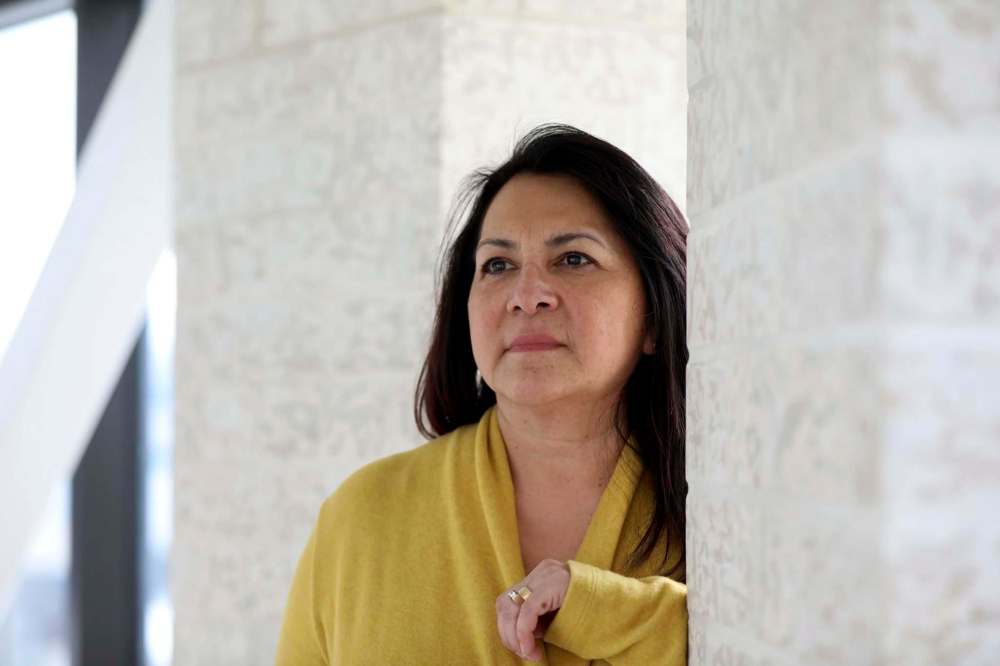
“Kindergarten students understand promises. When you promised your child, ‘Let’s go get ice cream at McDonald’s,’ and you don’t, they’ll say: ‘But you promised.’ They know accountability in terms of what was promised and how you can work together to keep that promise — so a promise is a perfect way to start.”
Teachers can then build on that notion, she adds, so that by the time students obtain their high school diploma, they have a good understanding of the current treaty relationship and their personal responsibility in it.
This school year marks a decade since the Treaty Relations Commission of Manitoba began offering programming to teachers at all levels, between kindergarten and Grade 12, to complement the provincial curriculum.
Next week, the commission will host the first of its 2021-22 open sessions for school staff to both learn and brush up on their knowledge of treaties, from a First Nations perspective. The training will include everything from an elder’s view on treaties to discussions about the importance of First Nations’ oral tradition to guidance on modelling lesson plans and localizing the teaching of treaties.
Ross said the upcoming opportunities for professional learning, which are being held virtually because of the COVID-19 pandemic, aim to offer participants a holistic understanding of treaties.
“A lot of people are actually afraid to teach about treaties because they don’t know, because they’re afraid to offend,” she says. “We want them to understand, not fear (treaty education).”
There are opportunities to introduce treaties across all subjects, according to Ross — whether it’s assigning treaty reenactment plays in drama or researching the sites where treaties were entered in geography.
In the treaty commissioner’s experience, the three most common misconceptions people have are: the written-texts are all-encompassing; they are historical artifacts; and they only benefit First Nations people.
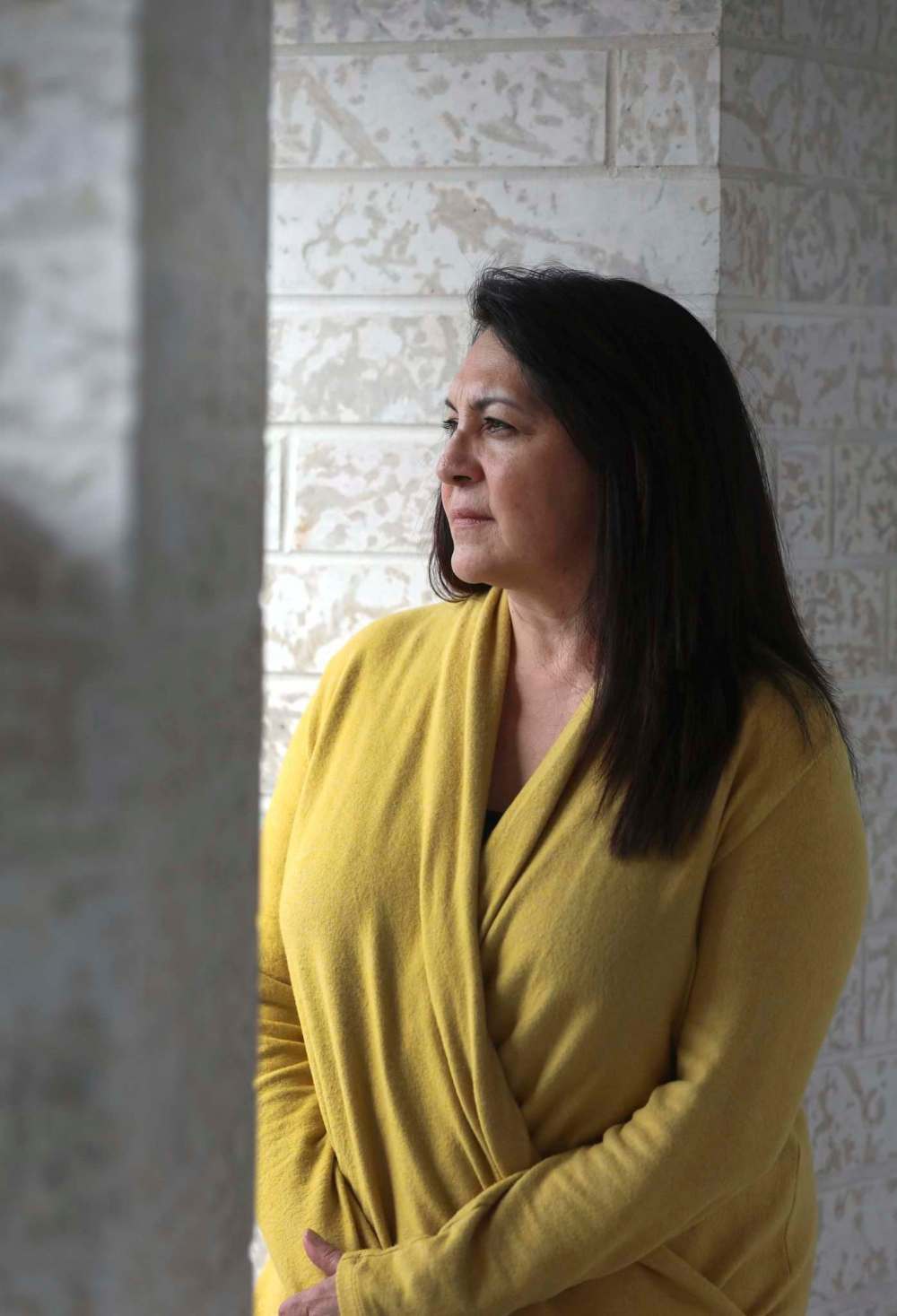

“Everybody has benefited from treaties. If you own a house, well, you’re able to own a house and buy a house because First Nations people shared the land. People don’t think of that as a benefit anymore, but it is,” she says, adding treaties are part of a shared history rather than simply an Indigenous history in Manitoba.
Approximately 6,500 school staff, including educational assistants, bus drivers and trustees, have participated in treaty training since the commission rolled out a pilot project tailored for Grade 5 and 6 educators in 2010.
As a result of the treaty education that has taken place over more than a decade, Ross says students have been able to learn and express their understanding of the treaty relationship through poems, murals, and plaques for their schools, among other projects.
maggie.macintosh@freepress.mb.ca
Twitter: @macintoshmaggie
Maggie Macintosh
Education reporter
Maggie Macintosh reports on education for the Free Press. Originally from Hamilton, Ont., she first reported for the Free Press in 2017. Read more about Maggie.
Funding for the Free Press education reporter comes from the Government of Canada through the Local Journalism Initiative.
Every piece of reporting Maggie produces is reviewed by an editing team before it is posted online or published in print — part of the Free Press‘s tradition, since 1872, of producing reliable independent journalism. Read more about Free Press’s history and mandate, and learn how our newsroom operates.
Our newsroom depends on a growing audience of readers to power our journalism. If you are not a paid reader, please consider becoming a subscriber.
Our newsroom depends on its audience of readers to power our journalism. Thank you for your support.
Maggie Macintosh
Education reporter
Maggie Macintosh reports on education for the Free Press. Originally from Hamilton, Ont., she first reported for the Free Press in 2017. Read more about Maggie.
Funding for the Free Press education reporter comes from the Government of Canada through the Local Journalism Initiative.
Every piece of reporting Maggie produces is reviewed by an editing team before it is posted online or published in print — part of the Free Press‘s tradition, since 1872, of producing reliable independent journalism. Read more about Free Press’s history and mandate, and learn how our newsroom operates.
Our newsroom depends on a growing audience of readers to power our journalism. If you are not a paid reader, please consider becoming a subscriber.
Our newsroom depends on its audience of readers to power our journalism. Thank you for your support.
Advertisement Advertise With Us
Advertisement Advertise With Us