Y2K 20 years on
The end of the world didn't arrive with the new millennium; for better or worse, our faith in technology has only gotten stronger
Advertisement
Read this article for free:
or
Already have an account? Log in here »
To continue reading, please subscribe:
Monthly Digital Subscription
$1 per week for 24 weeks*
- Enjoy unlimited reading on winnipegfreepress.com
- Read the E-Edition, our digital replica newspaper
- Access News Break, our award-winning app
- Play interactive puzzles
*Billed as $4.00 plus GST every four weeks. After 24 weeks, price increases to the regular rate of $19.95 plus GST every four weeks. Offer available to new and qualified returning subscribers only. Cancel any time.
Monthly Digital Subscription
$4.99/week*
- Enjoy unlimited reading on winnipegfreepress.com
- Read the E-Edition, our digital replica newspaper
- Access News Break, our award-winning app
- Play interactive puzzles
*Billed as $19.95 plus GST every four weeks. Cancel any time.
To continue reading, please subscribe:
Add Free Press access to your Brandon Sun subscription for only an additional
$1 for the first 4 weeks*
*Your next subscription payment will increase by $1.00 and you will be charged $16.99 plus GST for four weeks. After four weeks, your payment will increase to $23.99 plus GST every four weeks.
Read unlimited articles for free today:
or
Already have an account? Log in here »
Hey there, time traveller!
This article was published 08/12/2019 (2328 days ago), so information in it may no longer be current.
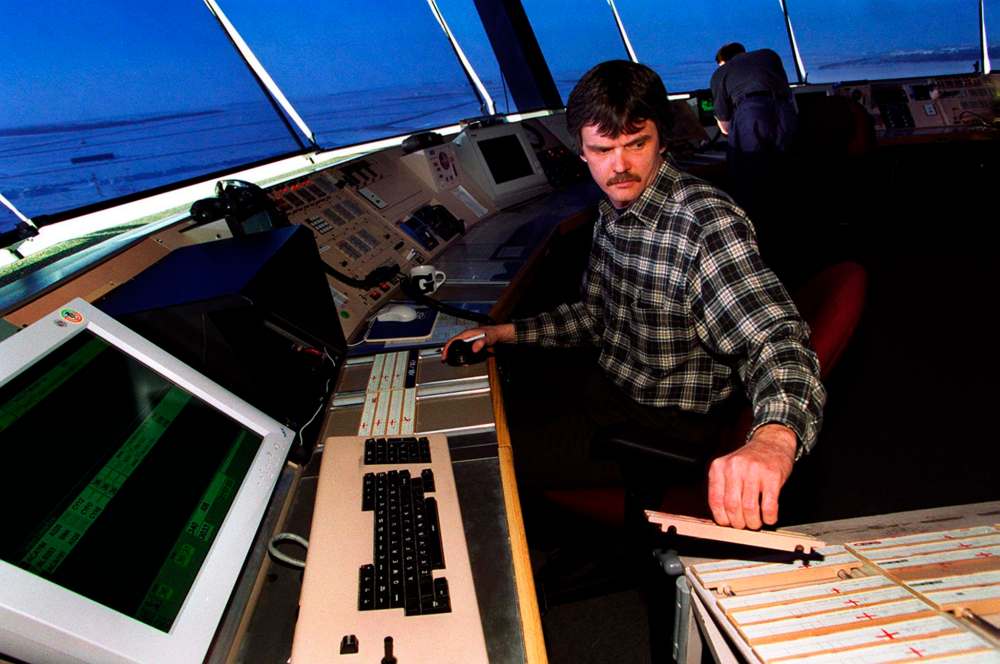
As thousands of revellers gathered at The Forks on New Year’s Eve, 1999, watched the clock and awaited the arrival of the new millennium, a 26-member crew sat “tucked away” on the 15th floor of the nearby Woodsworth Building.
They were waiting and watching the clock, too, but not to know when to pop the champagne or kiss their sweetheart. They were an emergency crew — a “nerve centre” — waiting to spring into action and mitigate any potential fallout after the clock struck midnight.
The Year 2000 problem, more commonly known as the “Y2K Problem” or simply “Y2K”, refers to a class of glitches related to the way computers would interpret dates post-1999. Since most programs used a two-digit code to represent the year — for example, “1999” was simply “99” — there were concerns programs would interpret Jan. 1, 2000, as Jan. 1, 1900 instead.
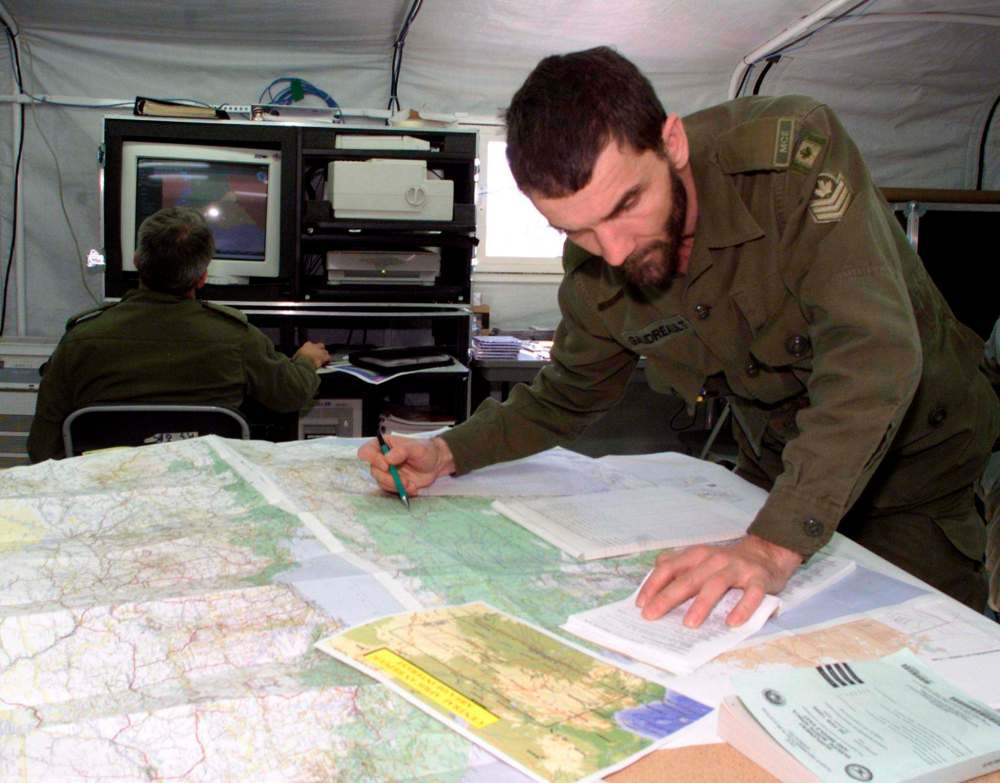
The representatives in the Woodsworth, from the Department of Defence, the Fire Commissioner’s office and various government agencies, along with more than 100 other provincial employees, weren’t nearly the only ones missing out ringing in the milestone.
“Keep it down, will ya? Some of us have to work,” read the headline of a Nov. 14 piece by Free Press reporter Linda Rosborough, which outlined all the extra folks on the job while most cut loose. This included Manitoba Hydro contingency teams in all generating and transformer stations, MTS employees monitoring phone lines and switches, and city employees at fire, ambulance and police stations.
“It’s not like there won’t be time for millennium festivities. Eventually,” Rosborough wrote.
“Once everything settles down, we’ll have a party in late February,” MTS’s Kelly Langevin was quoted as saying. “We’ll just roll our clocks back and do Y2K all over again.”
New Year’s Eve was their Super Bowl, so to speak — the culmination of more than three years of prepping to ensure a smooth transition.
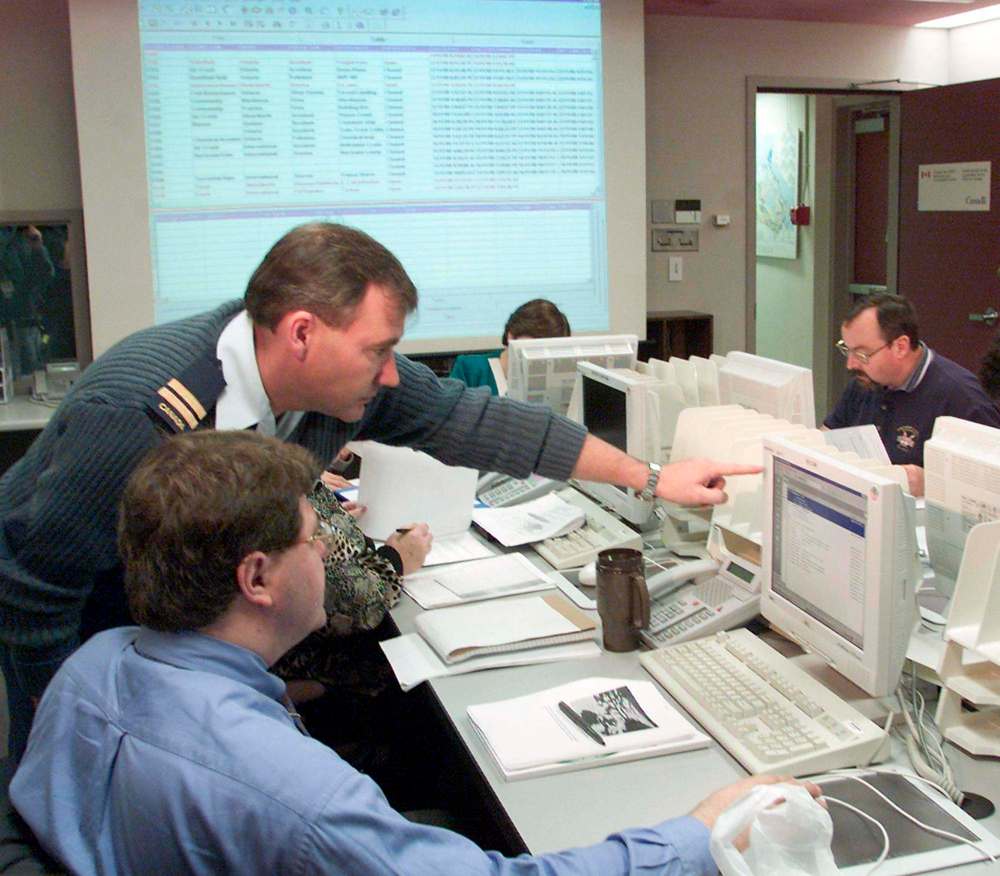
While many likely only got thinking about Y2K in earnest in Feb. 1999 — when the Jean Chrétien-led Government of Canada sent 11 million households an eight-page brochure about the potential impacts of the bug, and ensured “The Year 2000 challenge is a top priority for all federal government ministers and deputy ministers” — it was on the provincial government’s radar all the way back in Aug. 1996.
“That’s when the (Gary) Filmon (Progressive Conservative) government was convinced how serious the consequences could be if computers were unable to recognize the turn of the millennium,” longtime Free Press writer and editor Gerald Flood wrote.
They created a downtown “Year 2000” office and employed hundreds to take an inventory of every government building, “from ventilation to elevators, to identify Millennium Bugs, sort through them, assign them priorities, and then begin to tackle each one.
The provincial Tories spent more than $70 million and by Feb. 1999, already had 80 per cent of systems Y2K compliant; they bought more than 7,000 new desktops, tested more than 30,000 pieces of medical equipment, and created a 50-person “essential services committee” who sussed out weaknesses in hydro, fire and police systems.
Meanwhile, Winnipeg businesses were also spending a pretty penny on preparations. Westwood Mechanical Inc., for example, spent $50,000 upgrading its systems — assisted by a federal government tax program that allowed firms to deduct 100 per cent of their expenses for such upgrades — Rosborough reported.
Folks outside the perimeter were busy, too; Manitoba farmers were treating the Y2K bug like any other pest. Dairy farmers were upgrading computers that controlled feeding, milking and climate-control systems. Hutterite colonies — which “figure prominently in the province’s agricultural scene, with large-scale reliant hog, turkey, and field productions,” Rosborough wrote, were taking similar steps.
“We think we are 100 per cent ready for the year 2000,” Danny Kleinsasser — yes, of Danny’s Whole Hog fame — said, “but there is still a lot of unknowns.” Kleinsasser, at the time, represented Manitoba Hutterite colonies on the Manitoba Pork council and reported colonies had passed all Y2K tests but had generators just in case.
While most stayed levelheaded and understood making the proper upgrades to computer systems far in advance would be sufficient to beat the bug, there were doomsdayers who believed Y2K would bring “the end of life as we know it,” Flood wrote, “total bloody anarchy, a world in which all are against all, mass hysteria that would make the final minutes aboard the Titanic seem like a high water mark of western civilization.”
Some, such as well-known Miami Herald humourist Dave Barry, made light of the situation.
“Oh yes, this Y2K thing is going to be very, very bad. At exactly midnight on Dec. 31, all the computers in the world, and an estimated 80 per cent of the Etch-a- Sketches, will malfunction,” he wrote on Dec. 22. “In one way this is good: Your Permanent Record from school will be erased forever, which means future generations will never find out that you once mooned a Thanksgiving assembly.
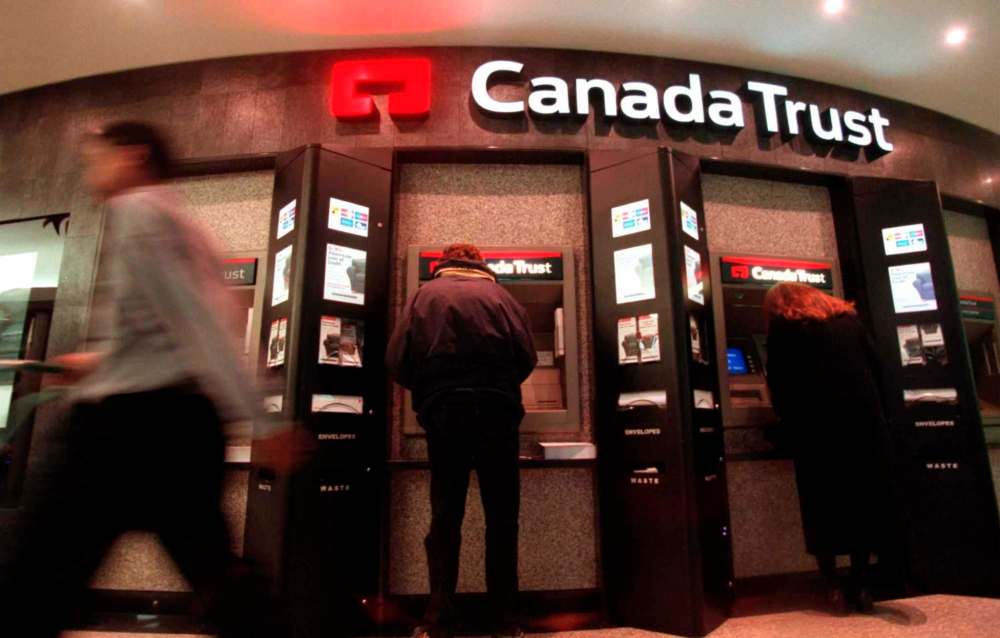
“But everything else about Y2K will be catastrophic: lights will go out; phones will stop working; the banking system will collapse; juke boxes will refuse to play anything except Copacabana: VCR machines will suddenly start displaying the correct time; and — this is the ultimate nightmare scenario — airline computers will charge people who are on the same flight THE EXACT SAME FARE. Within hours, civilization will collapse.”
However, by the time Barry penned his column, doomsdayers were long ready for Armageddon.
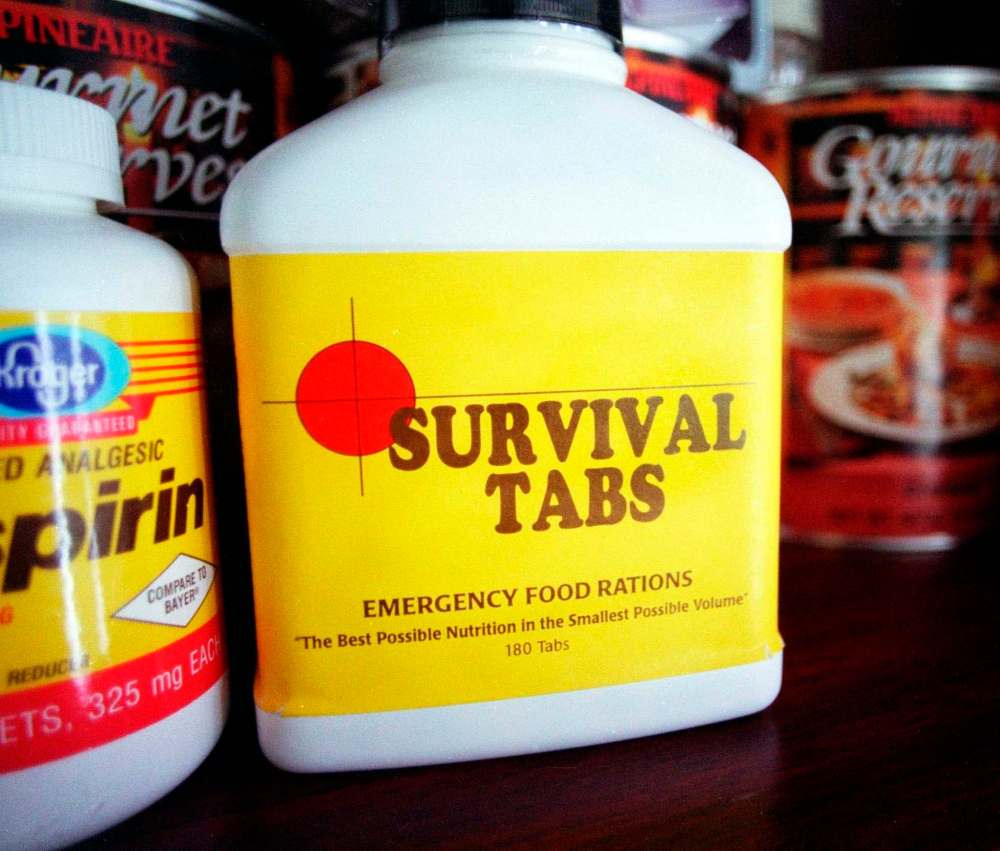
“For these believers, many of whom see (Y2K) as a manifestation of God’s wrath against a sinning world, the end is near. When the clock strikes 2000, the nation’s electricity will short out, trains won’t run, banks will collapse and hordes of urban dwellers will scavenge for food as supplies dwindle,” wrote investigative journalist Adam L. Penenberg in a 1998 piece about fringe groups setting up Y2K farming communes throughout the U.S.
Some Canadians believed Y2K would be similarly calamitous: Joe Boivin, CIBC’s Y2K program director, left the position and started warning people to stockpile food, water and money.
A MacLean’s feature from April, 1999 introduced readers to Ontario farmer Sheila. “I believe this will be a major catastrophe,” Sheila said, adding she put aside a year’s worth of firewood, fuel, cashed out of the stock market and bought a rifle both for hunting and as “security backup for their German Shepherd.”
Meanwhile, in the Free Press, Summit Securities Ltd. tried to parlay fears the stock market would tank into business, repeatedly running an ad asking “Will the Y2K bug impact you and your investments?”
Sheila never had to shoot her rifle and no one lost their shirt. History shows what happened after the clock struck midnight was… mostly nothing at all.
“Hello, 2000!” the front page of the New Year’s Day edition of the Free Press read. “New Year’s Eve parties a blast, Y2K computer bug a bust.”
“Fears that the Y2K bug would cause widespread computer-system failures at the stroke of midnight proved largely unwarranted,” an Associated Press article in the front section read. “Early indications suggested that the hundreds of billions of dollars spent stamping out Y2K software bugs appear to have paid off.”
“Officials with a variety of local government and business organizations said yesterday that tests conducted over the weekend and yesterday failed to turn up any significant glitches in their computer systems, and they don’t expect any major problems to occur when normal business operations resume today,” business reporter Murray McNeill wrote on Jan. 4.
That’s not to say things went 100 per cent smoothly: The United States Naval Observatory’s master clock — which ironically kept the country’s official time — gave the date online as “1 Jan 19100.” Bus ticket validation machines failed in Australia. 150 slot machines stopped working in Delaware. Annoyances, sure. But nothing close to “the end of the world as we know it.”
“The apocalypse, Armageddon, the Rapture: Pack them up in mothballs,” wrote Kyrie O’Connor in a Jan 2, 2000 piece entitled “20th century memories about to get Y2KO’d.”
“And there are no key fearful dates upcoming, so we’ll be leaving that coming-up-to-a-stop-sign feeling of 1984 and 2000 in the past, with all its dread,” O’Connor continued. (2012 doomsday predictions, based on pseudoscientific presumptions about the Mayan calendar, didn’t pick up until the mid-2000s.)
In a late-January column, Greg Mulla and David Carrick noted Y2K “has illuminated the incredible scope of involvement that technology already has in our lives and in our businesses,” and that it was “inevitable that businesses will become even more dependent in the future on using new and innovative technologies.”
If that wasn’t the understatement of the nascent Century.
Just shy of 20 years later, technology permeates nearly every aspect of everyday life. Sleek smartphones make the bulky desktops of 2000 seem like prehistoric artifacts. Nearly everything is connected to or involves navigating some network, system or algorithm in some way, from communicating with family members to driving a car.
Some believe society writ large didn’t the learn true lesson Y2K offered: to question our confidence in technology.
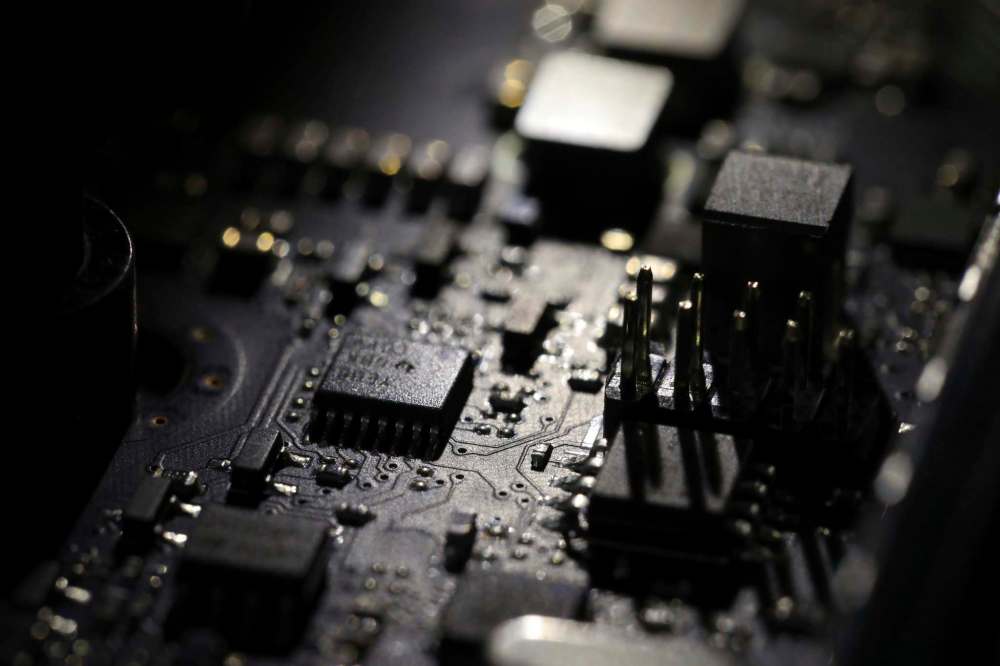
“Whether you believe Y2K was much ado about nothing from the start, or whether you understand that it was only so because of human intervention, the lasting legacy might not be one of apathy, but trust — both in the machines we created, and in our ability to understand and control them,” Medium’s Colin Horgan wrote last year.
Horgan believes there’s great danger in having too much confidence in the computer programs that control nearly everything, and that Y2K bred apathy.
“Along the way, we’ve deepened our faith in the ability of computers to make our world a better place, but obscured our understanding of how they work or the unexpected consequences they might create,” Horgan wrote.
“Y2K should have made us question our faith in the machines. It may have had exactly the opposite effect.”