Censorship and cancel culture
Please review each article prior to use: grade-level applicability and curricular alignment might not be obvious from the headline alone.
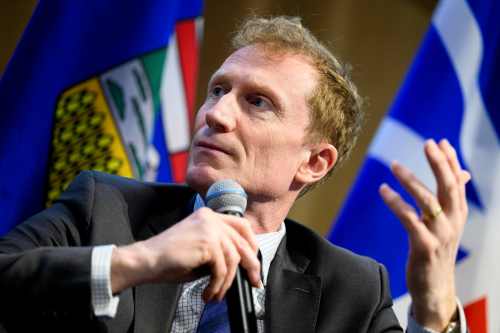
Ottawa tells CRTC to change course on increasing streamers’ financial contributions
7 minute read Preview Thursday, Jun. 4, 2026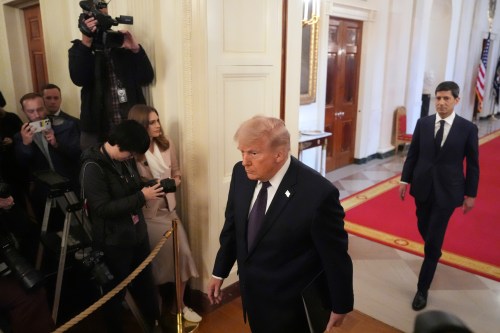
Trump signs an executive order that invites vetting of top AI models for national security risks
4 minute read Preview Wednesday, Jun. 3, 2026
MPs get an earful from opponents of ‘lawful access’ bill over privacy concerns
4 minute read Preview Thursday, Jun. 25, 2026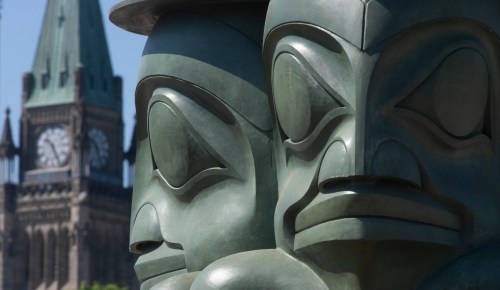
Indigenous speakers, politicians watching audit of languages office closely
6 minute read Preview Wednesday, Jun. 24, 2026
U of W prof sues social media giants Meta, X
4 minute read Preview Wednesday, Jun. 3, 2026NDP sport bill risks marginalized communities
5 minute read Tuesday, Jun. 2, 2026At a time when, culturally, one of the most popular TV shows is made in Canada, about gay professional hockey players who hide their sexual orientation out of fear of being harmed, the Manitoba NDP government has introduced Bill 41 for underrepresented communities in sport.
It’s admirable that the Manitoba government wants to tackle white heteronormative masculine sport, to make sport safer for under-represented communities at a time when the level of intolerance and hate towards some under-represented groups, notably the LGBTTQ+ community, has increased.
Under the auspices of promoting inclusivity of under-represented groups in sport, the Manitoba government’s Bill 41 — The Promoting Inclusion in Amateur Sport Act — is anti-gay, anti-trans, and anti-hidden marginalization.
Should Bill 41 come into force, it will require all children, youth and adults from under- represented groups, most of whom are recognized as equity-deserving marginalized communities, such as gay and trans, to self-identify; they will be required to come out to provincial sport organizations (PSOs) if they want to participate in organized sport in Manitoba.
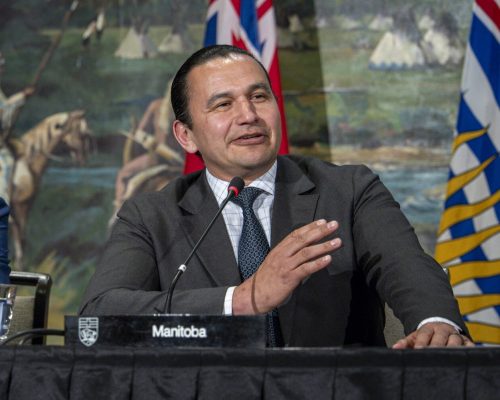
Peace, justice and bringing this country together
5 minute read Preview Monday, Jun. 1, 2026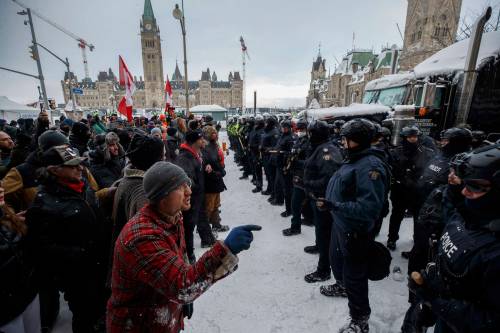
New essay collection explores menace of far-right movements in Canada
4 minute read Preview Saturday, May. 30, 2026Manitoba leads in protecting human rights
5 minute read Wednesday, May. 27, 2026It is perhaps little noticed in our province — as we grapple with the cost of living, homelessness and the impending threat of forest fires — that the NDP government of Premier Wab Kinew has emerged as a leading defender of the Charter of Rights and Freedoms, even as the governments of Quebec, Alberta and Saskatchewan are doing their best to weaken it.
Issues of human rights and the role of the Charter were at the forefront of a recent four-day hearing before the Supreme Court of Canada on the legality of Quebec’s secularism law, Bill 21.
The law prohibits public sector employees — including teachers, police officers and government lawyers — from wearing religious symbols such as turbans, crosses, hijabs and yarmulkes while at work. Bill 21 forces religiously observant individuals to choose between their faith and employment in public institutions.
It is a clear violation of Section 2 of the Charter, which guarantees freedom of conscience, religion and association.