Censorship and cancel culture
Please review each article prior to use: grade-level applicability and curricular alignment might not be obvious from the headline alone.

National Science Foundation reverses decision to dismantle oceans-monitoring network after outcry
3 minute read Preview Tuesday, Jun. 23, 2026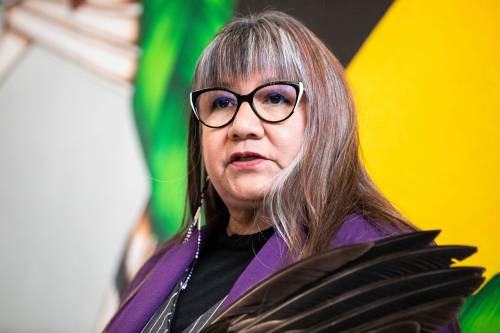
School board’s plan violates rights of young people: children’s advocate
5 minute read Preview Wednesday, Jun. 17, 2026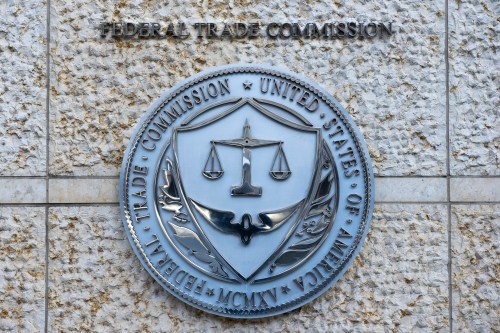
Federal Trade Commission sues leading transgender health group
5 minute read Preview Friday, Jun. 19, 2026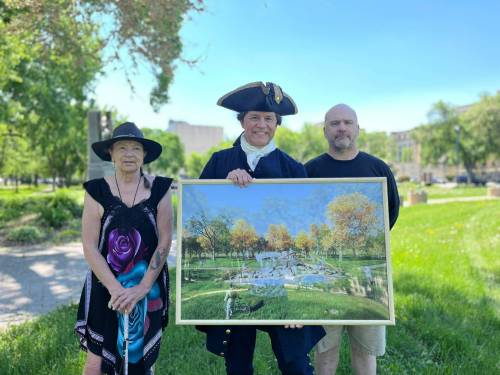
Une nouvelle oeuvre pour raconter l’histoire autrement
7 minute read Preview Saturday, Jun. 13, 2026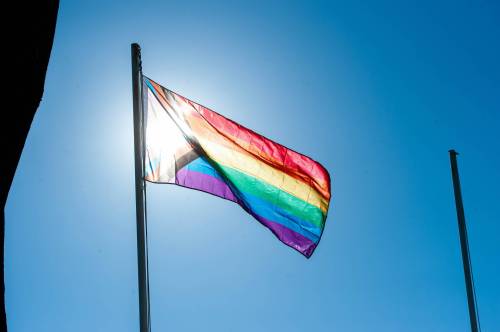
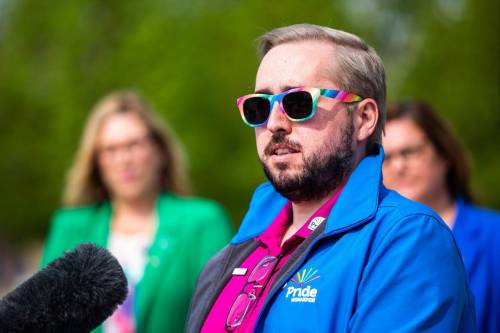
Winkler hosts first LGBTTQ+ celebration Saturday
6 minute read Preview Friday, Jun. 12, 2026
Tesla loses bid for urgent judicial review of Manitoba’s EV rebate
3 minute read Preview Thursday, Jun. 11, 2026
Social media platforms, app stores at odds over who should enforce social media bans
4 minute read Preview Friday, Jul. 3, 2026
Oligarchs don’t care about ‘public good’
4 minute read Preview Thursday, Jun. 11, 2026Manitoba Premier Wab Kinew may have good intentions in proposing restrictions on social media use in schools, but a blanket ban on platforms like YouTube risks doing more harm than good.
In the rush to address concerns about screen time, online addiction, and student distraction, we may be overlooking an important reality: digital tools, when used responsibly, have become an essential part of modern teaching and learning.
As an educator, I spend countless hours preparing materials for my classes.
Effective teaching is not simply standing at the front of a room and talking while students passively absorb information. It involves designing lessons that engage students with different abilities, interests, and learning styles.