Debate and classroom discussion topics
Please review each article prior to use: grade-level applicability and curricular alignment might not be obvious from the headline alone.
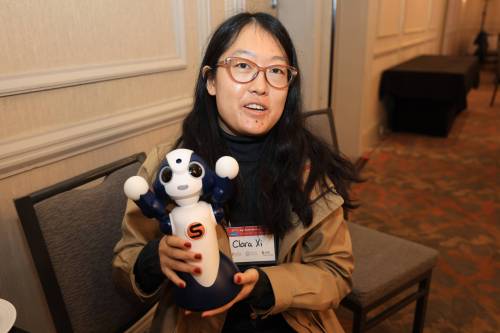
Robot study gives seniors say in era of AI
4 minute read Preview Sunday, Oct. 4, 2026
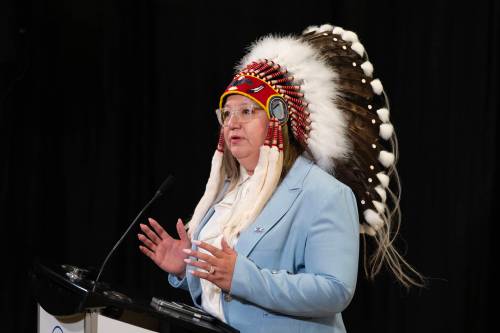
Indigenous groups given just two months to consult on pipeline project designation
6 minute read Preview Tuesday, Oct. 6, 2026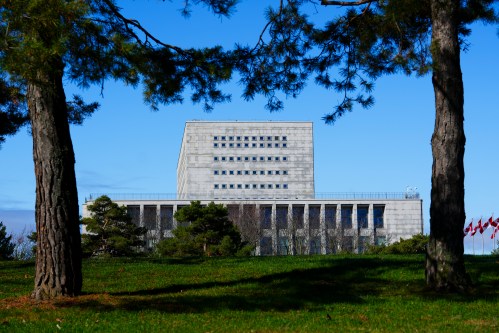
AI agent attempted to hack Library and Archives Canada, says U.S. research group
3 minute read Preview Wednesday, Oct. 7, 2026
Tokyo court grants legal protection to human voices in AI clone case
3 minute read Preview Wednesday, Oct. 7, 2026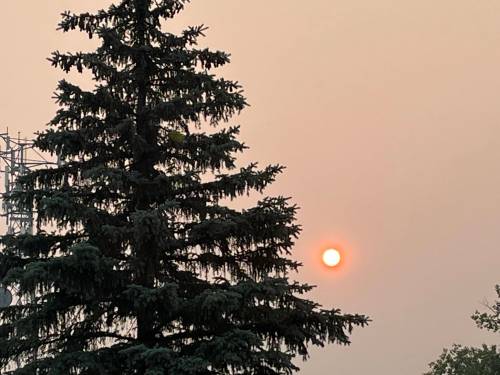
Winnipeg’s challenge: preparing for weather extremes
5 minute read Preview Thursday, Oct. 1, 2026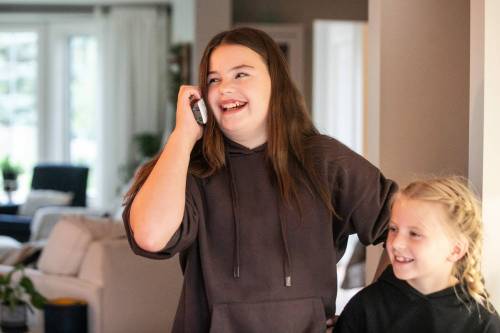
In a smart-device world, some families keep phone jacked into the wall
8 minute read Preview Tuesday, Sep. 29, 2026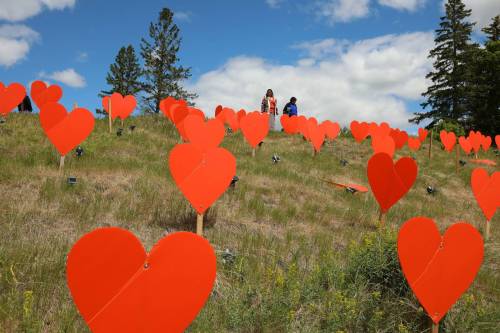
Province to acquire campground near former residential school
3 minute read Preview Tuesday, Sep. 29, 2026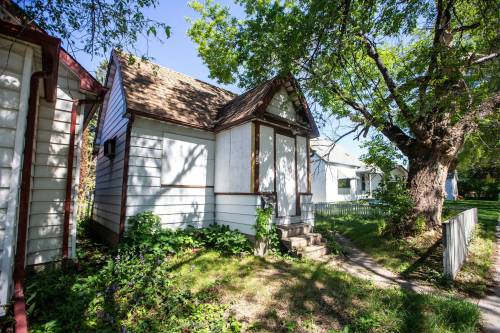
Legislation needed on vacant buildings
4 minute read Preview Tuesday, Sep. 29, 2026Dealing now with increasing judicial dangers
5 minute read Tuesday, Sep. 29, 2026For years, the Manitoba Association of Crown Attorneys (“MACA”) has been engaged in a dispute with the Manitoba government over the workload of its lawyers. That dispute is expected to come to a head at the end of November, when two weeks of grievance hearings are scheduled.
We remain hopeful that we can reach an agreement with our employer. But if we cannot, our union’s lawyers are prepared to make our case. As those hearings approach, we want to explain how we got here, what is at stake, and why this dispute matters beyond the working conditions of our members.
These problems are longstanding and predate the election of Manitoba’s current government. Our concern with the current government is not that it created these problems, but that it is now responsible for addressing them.
Despite the evidence before it, the government has not meaningfully addressed the workload concerns we have raised throughout its time in office.