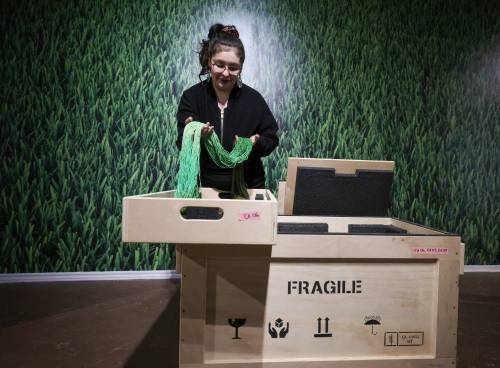
Whose story is being told? How perspectives shape our understanding
Please review each article prior to use: grade-level applicability and curricular alignment might not be obvious from the headline alone.

A mother recounts her dangerous journey across the border to escape Trump’s America
6 minute read Preview Wednesday, Mar. 4, 2026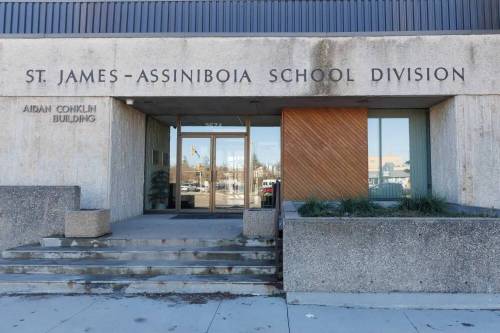
Parent group urges funds to help spot reading disabilities sooner
4 minute read Preview Tuesday, Feb. 10, 2026
B.C. organization enters debate on government-run grocery amid rising food costs
7 minute read Preview Wednesday, Mar. 4, 2026
Pause at N.W.T. diamond mine amid weak market ‘serious news,’ industry minister says
4 minute read Preview Wednesday, Mar. 4, 2026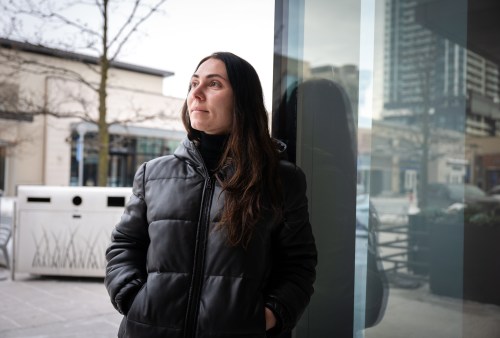
Ukrainians push for permanent residency in Canada as war with Russia grinds on
6 minute read Preview Wednesday, Mar. 4, 2026
Clear Lake group withdraws review against Parks Canada
4 minute read Preview Monday, Feb. 9, 2026The commencement by some Americans of a “war on empathy,” not coincidental with the second Donald Trump administration, is shock, but not awe.
While discussing immigration on The Joe Rogan Experience podcast last year, Elon Musk declared that “the fundamental weakness of Western civilization is empathy” which people “exploit.” Adding that “we’ve got civilizational suicidal empathy going on,” he conjured up horrors of white Christian nationalist great replacement theory.
It served as a dutiful call to arms, and the American political and religious right mobilized on multiple fronts.
Sample recent publications include Toxic Empathy: How Progressives Exploit Christian Compassion (2024) by podcaster Allie Beth Stuckey, The Sin of Empathy: Compassion and Its Counterfeits (2025) by pastor Joe Rigney, and Suicidal Empathy: Dying to be Kind (2026) by professor Gad Saad. The image on the front cover of Suicidal Empathy is a sheep holding a protest sign demanding “Free the Wolves.”
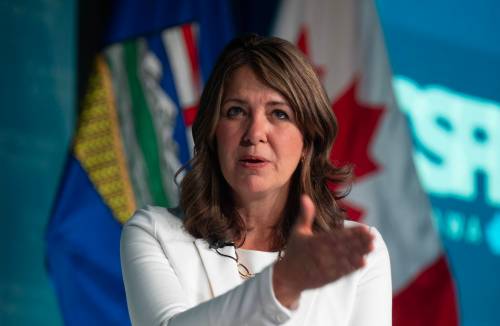
Danielle Smith plays separation carrot-and-stick
4 minute read Preview Friday, Feb. 6, 2026
Creating a city where kids can safely walk, bike to school
7 minute read Preview Friday, Feb. 6, 2026