
Whose story is being told? How perspectives shape our understanding
Please review each article prior to use: grade-level applicability and curricular alignment might not be obvious from the headline alone.
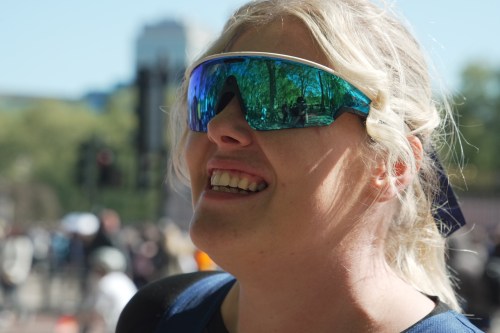
AI smart glasses will help visually impaired runners take on the London Marathon
5 minute read Preview Saturday, Apr. 25, 2026
Wordless puppet show explores father-daughter ties
4 minute read Preview Friday, Apr. 24, 2026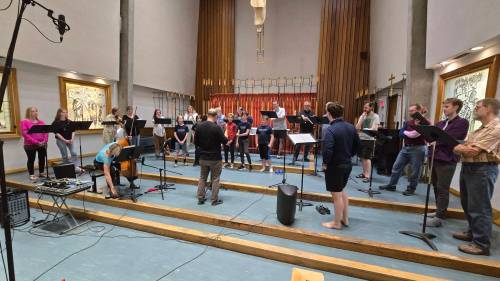
Stirring oratorio pays homage to Indigenous veterans
5 minute read Preview Friday, Apr. 24, 2026
Winnipeg to host three-day World Indigenous Business Forum in late October, delegates can expect ‘Manitoba experience’
5 minute read Preview Thursday, Apr. 23, 2026
Brainstorming session proposes solutions to alarming rate of student absenteeism
6 minute read Preview Thursday, Apr. 23, 2026
Shortage of housing for Indigenous seniors in city raising concerns ahead of northern flood, fire evacuations
4 minute read Preview Thursday, Apr. 23, 2026
Decorated footy veterans Scott, Gale spearheading push for NSL club
7 minute read Preview Thursday, Apr. 23, 2026
Family donates 636 acres of peatlands near Elma to nature conservancy
3 minute read Preview Thursday, Apr. 23, 2026
Manitoba crypto companies say provincial plans would put them out of business
3 minute read Preview Friday, Apr. 24, 2026On April 17, 1982, the Canadian Charter of Rights and Freedoms came into force, outlining the rights and freedoms that all Canadians are entitled to within our country.
As we consider the Charter as the anniversary passes for another year, we have an opportunity to be reminded that all of the rights outlined in the Charter apply to every Canadian citizen, including children and youth. After all, children are not citizens-in-waiting; they are already holders of rights. Children and youth are a particularly distinct group of citizens whose rights need to be safeguarded. This assertion is especially pertinent with the rise of the “parental rights” movement, which falsely positions the rights of parents over the rights of children. To be clear, the Charter does not give parents special rights over any other rights holder.
In fact, “parental rights” are not explicitly named in the Canadian Charter of Rights and Freedoms. The Charter does name fundamental freedoms (like freedom of conscience, religion and expression) and life, liberty and security of the person. These rights have been interpreted by courts to include a parent’s right to make decisions regarding the care and education of their children.
However, these rights have limits. The rights of parents need to be balanced against children’s rights and their best interests. Parental decision making is also subject to the government’s obligation to protect children and uphold their rights.