

Rapid transit (finally) makes its debut
Advertisement
Read this article for free:
or
Already have an account? Log in here »
To continue reading, please subscribe:

Digital Subscription
One year of digital access for only $205*
- Enjoy unlimited reading on winnipegfreepress.com
- Read the E-Edition, our digital replica newspaper
- Access News Break, our award-winning app
- Play interactive puzzles
*First annual payment billed as $205.00 + GST for one year. This annual subscription will automatically renew at $233.00 + GST every 52 weeks (10% off the regular annual price of $259.35). Offer available to new and qualified returning subscribers only. Cancel any time.
To continue reading, please subscribe:
Add Free Press access to your Brandon Sun subscription for only an additional
$1 for the first 4 weeks*
- Enjoy unlimited reading on winnipegfreepress.com
- Read the E-Edition, our digital replica newspaper
- Access News Break, our award-winning app
- Play interactive puzzles
*Your next Brandon Sun subscription payment will increase by $1.00 and you will be charged $17.95 plus GST for four weeks. After four weeks, your payment will increase to $24.95 plus GST every four weeks.
Read unlimited articles for free today:
or
Already have an account? Log in here »
Hey there, time traveller!
This article was published 05/04/2012 (5253 days ago), so information in it may no longer be current.
The oft-quoted “Rome wasn’t built in a day” is a fitting description of Winnipeg’s arduously long and painful foray into rapid transit.
As an army of workers puts the final polish on the transitway and prepares it for the throngs of expected riders on Sunday, there will be many who will continue to lament that we chose a second-rate system that is unfairly seen as inferior to light rail transit.
As it stands, Winnipeggers should be proud the new bus rapid transit system will, if only for a few fleeting moments, launch us in the right direction as it speeds through Fort Rouge toward downtown.
The key in the coming years is not to take our foot off the throttle and build on the momentum of this first phase of the project. This will require us to think much more strategically about the extensions that are desperately needed to secure a completely separated first leg and to prioritize the additional arms of the system so as to connect into other parts of Winnipeg.
Ensuring we have the right plan for land assembly, route construction and adequate funding, however, will continue to be a three-ring circus.
If anything holds true, there will be little agreement among the political players and no real champion to step forward with a clear and articulate vision.
The only way to change mindsets is to demonstrate the true effectiveness of BRT, and this will only shine when we complete the first leg and the ride between the University of Winnipeg and the new stadium at the University of Manitoba is done and truly rapid.
It will be a shame if we continue to debate routing, technology and allow politics to get in the way of finalizing the first phase and derailing additional progress.
As a member of Mayor Sam Katz’s rapid transit task force back in 2004, I recall the long debates, endless argument and final realization that all the previous studies, work and route planning were the right way to proceed.
Winnipeg is a much different place than it was in the early 2000s. Our population has been on a steady increase, housing prices have taken off and economic investment has transformed the downtown and many other parts of the city.
Nevertheless, we are decades behind other cities in building a rapid transportation network. Let’s hope as we launch our system we will strive to make it the best in Canada.
Jino Distasio is the director of the Institute of Urban Studies.
Related Articles
City to unveil plans for Stage 2 of Southwest Transitway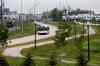
Advertisement Advertise With Us