

Food faddism leads to food waste
Advertisement
Read this article for free:
or
Already have an account? Log in here »
To continue reading, please subscribe:

Digital Subscription
One year of digital access for only $205*
- Enjoy unlimited reading on winnipegfreepress.com
- Read the E-Edition, our digital replica newspaper
- Access News Break, our award-winning app
- Play interactive puzzles
*First annual payment billed as $205.00 + GST for one year. This annual subscription will automatically renew at $233.00 + GST every 52 weeks (10% off the regular annual price of $259.35). Offer available to new and qualified returning subscribers only. Cancel any time.
To continue reading, please subscribe:
Add Free Press access to your Brandon Sun subscription for only an additional
$1 for the first 4 weeks*
- Enjoy unlimited reading on winnipegfreepress.com
- Read the E-Edition, our digital replica newspaper
- Access News Break, our award-winning app
- Play interactive puzzles
*Your next Brandon Sun subscription payment will increase by $1.00 and you will be charged $17.95 plus GST for four weeks. After four weeks, your payment will increase to $24.95 plus GST every four weeks.
Read unlimited articles for free today:
or
Already have an account? Log in here »
Hey there, time traveller!
This article was published 16/09/2014 (4376 days ago), so information in it may no longer be current.
Calgary — Is your grocery money going to the landfill? It may be your ‘healthy lifestyle’ that’s to blame.
According to the Value Change Management Centre, more than $27 billion worth of Canadian food winds up in the garbage instead of in our stomachs. Every year.
We like to blame people with penchants for 24/7 fast food and the minority of grocery chains which still throw out food as it nears its expiry date instead of donating it to local food banks. But it’s not all their fault.
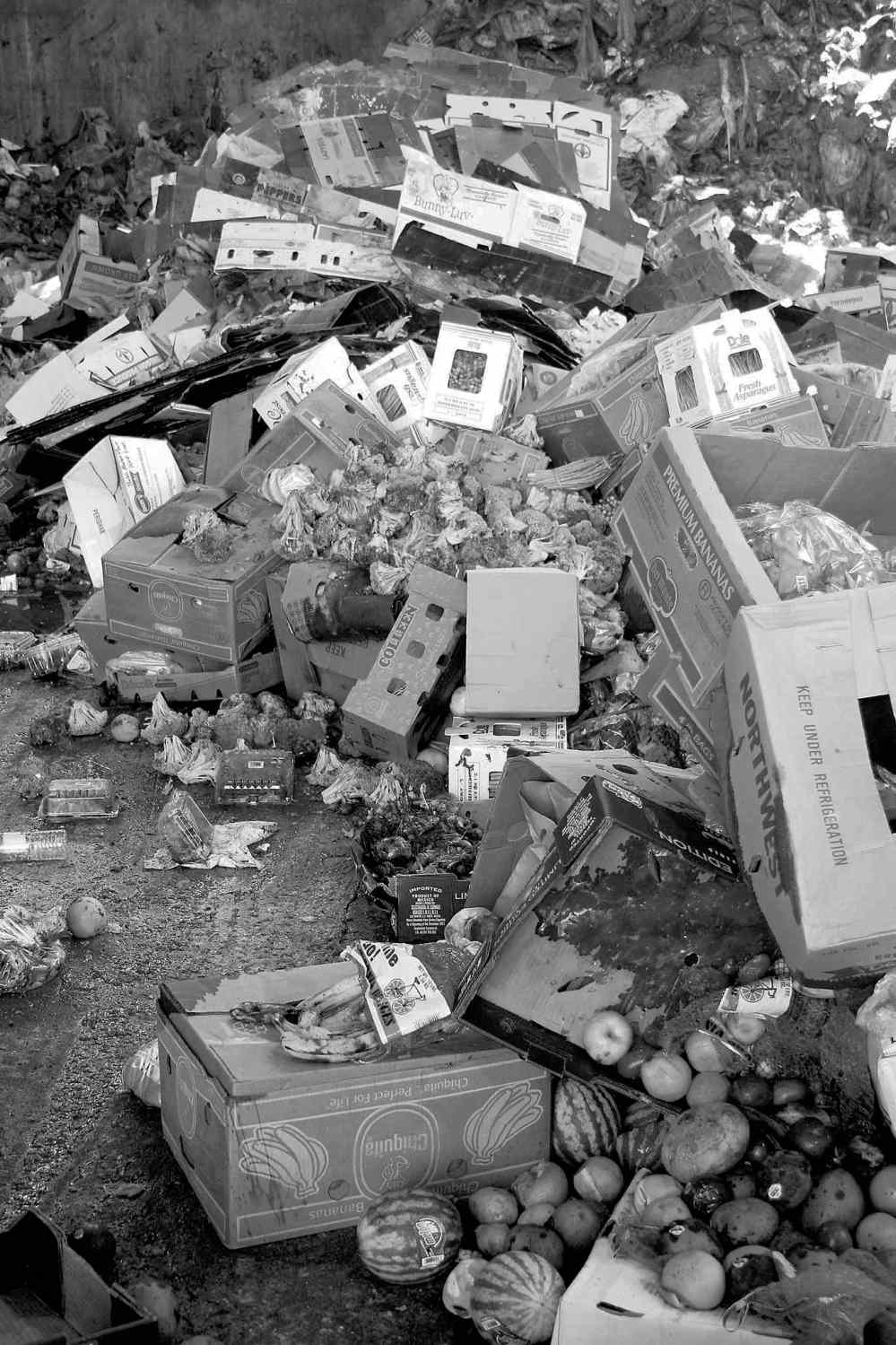
Poor kitchen management is often to blame for food waste. The David Suzuki Foundation puts it this way: In Toronto, the average single-family household throws out about 275 kilos of food every year. That’s one in four food purchases (one quarter of your grocery budget) going in the trash can.
Those of us who love fresh, local and sustainable eating often contribute to the problem. The sumptuous displays at farmers markets, organic food stores, and bulk-food outlets look so delicious that it is tempting to buy more than we can cook before the lettuce wilts. Worse yet, we cook huge pots that languish in the back of the fridge growing mould once we tire of our kitchen masterpieces.
Make no mistake. I am a big fan of farmers markets. This week, on my way to do some book research, I discovered a farmers market hidden away on the University of Lethbridge campus. Following the signs, I found a ballroom full of irresistible fall veggies, B.C. fruit, Hutterite breads, warm empanadas and fresh cut flowers. I wound up working with three bags piled up by my side.
I am not about to throw the money I spent picking pricey produce into the garbage can, however. About half of those fresh local veggies will wind up in my freezer. I’ll enjoy them long into the winter. But without the freezer compartment on my fridge, my veggie habit would wilt my grocery budget.
But if a media report I heard the other day is an accurate reflection, many supposedly smart Canadians would rather chuck the cabbage than throw it in the freezer.
A few days ago, the semi-regular news story about North American food waste surfaced once again in the media. I was only half listening until the interviews with eco-conscious urbanites began. Their explanations for food waste — the produce goes bad, they try to buy fresh, but the produce goes bad — made we wonder how the cool and affluent could be so misinformed about healthy eating.
I am not sure why the food-snob notion that frozen isn’t for the chosen seems to have taken root with the go-organic ground. Fresh isn’t always best.
Freezing doesn’t dwindle the nutrition or taste of most foods. In fact, flash frozen veggies you purchase in the freezer aisle are probably more nutritious than the fresh produce you’ve left sitting in your fridge for a week.

Even better, you can freeze just about anything — from a carton of milk to a loaf of bread. How many of the freezable items on this list have you considered freezing? Cheese, grapes, milk, pancakes, bread, bananas for smoothies, potatoes, cooked rice, pies, corn, cooked pasta, flour and grains, cookie dough, leftover soups, stews and entrees, sandwiches, tomato paste and tomato sauce, and eggs (removed from their shells).
Wasting food makes you poorer. According to Statistics Canada, the average Canadian household spent $7,739 on food in 2012. So, if your lettuce is wilting, your milk is rancid and your fruit is a mushy mess on the bottom of your fridge, you could be throwing out thousands of dollars every year. Quit sending your grocery money to the landfill. Stick your surplus groceries in the freezer. You’ll get more value from your food, while you save a bundle on your grocery bill.
Jane Harris-Zsovan offers her readers practical money advice for the real world.
— Troymedia.com