

Scary bugs are affecting Manitobans
Advertisement
Read this article for free:
or
Already have an account? Log in here »
To continue reading, please subscribe:
Monthly Digital Subscription
$1 per week for 24 weeks*
- Enjoy unlimited reading on winnipegfreepress.com
- Read the E-Edition, our digital replica newspaper
- Access News Break, our award-winning app
- Play interactive puzzles
*Billed as $4.00 plus GST every four weeks. After 24 weeks, price increases to the regular rate of $19.95 plus GST every four weeks. Offer available to new and qualified returning subscribers only. Cancel any time.
Monthly Digital Subscription
$4.99/week*
- Enjoy unlimited reading on winnipegfreepress.com
- Read the E-Edition, our digital replica newspaper
- Access News Break, our award-winning app
- Play interactive puzzles
*Billed as $19.95 plus GST every four weeks. Cancel any time.
To continue reading, please subscribe:
Add Free Press access to your Brandon Sun subscription for only an additional
$1 for the first 4 weeks*
*Your next subscription payment will increase by $1.00 and you will be charged $16.99 plus GST for four weeks. After four weeks, your payment will increase to $23.99 plus GST every four weeks.
Read unlimited articles for free today:
or
Already have an account? Log in here »
Hey there, time traveller!
This article was published 12/06/2018 (2854 days ago), so information in it may no longer be current.
It will be a summer of scary insects in Winnipeg as an estimated 300,000 people will view the new Xtreme BUGS exhibit at Assiniboine Park Zoo.
As people walk along a forested trail inside the zoo, they will meet 19 animatronic bugs, such as a six-metre-long Japanese hornet, and a four-metre-high praying mantis.
Although the exhibit sounds interesting, especially for children, those gigantic replicas don’t scare me much. I’m more scared of real-life bugs that threaten Manitoba.
Three bugs in particular are alarming. Any Manitoban who is not scared of these three — the terrifying trio — does not fully grasp the dangers.
Emerald ash borer
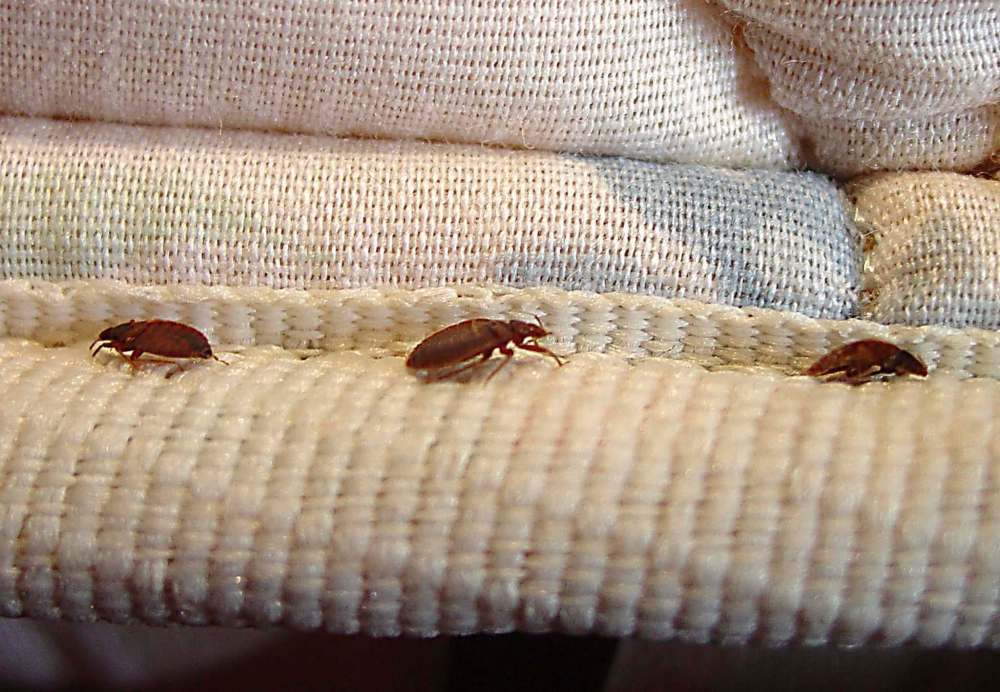
This invasive pest likely will destroy most of Winnipeg’s ash trees.
The metallic-green, bullet-shaped beetle is only eight millimetres in length, but it’s killed tens of millions of ash trees in southern Ontario and in the Great Lakes states and has since snuck into Winnipeg, where it’s been discovered on trees in the Archwood neighbourhood.
The city began insecticide treatment on 1,000 of Winnipeg’s 356,000 ash trees on Friday, but won’t be able to save most of them because the loathsome larva wages its destruction beneath the bark, making treatment difficult and prohibitively expensive at hundreds of dollars per tree.
Hidden from view, the larvae feed on the tree’s transportation tissues, disrupting the movement of nutrients and water within the trees.
Within two years of the bug’s fatal embrace, the crown of the ash tree begins to die. In five to 10 years, the whole tree dies.
Winnipeg would be disfigured by the loss of most of the ash trees, which in the city are second in population only to elm. Ash trees shade city streets with a scenic canopy, provide habitat and food for birds, and clean the air by absorbing carbon dioxide and giving off oxygen.
They will be missed. RIP ash trees.
Blacklegged ticks
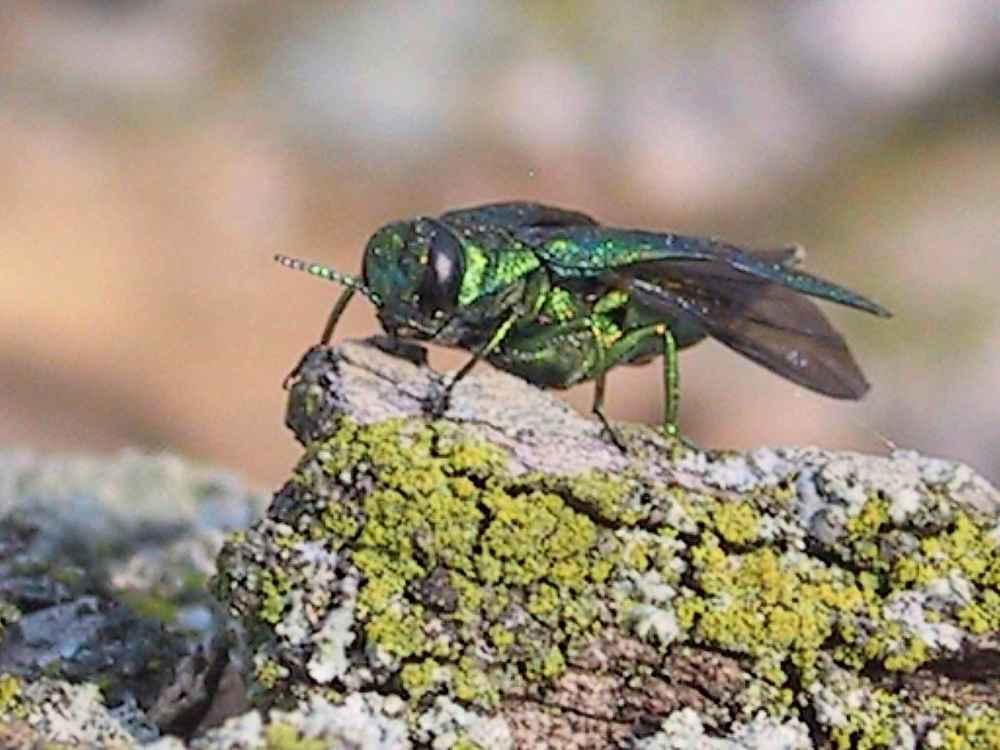
Entomologically speaking, they’re not insects. They’re arachnids, like spiders. But we’ll include them on our scary-bugs list because they can infect Manitobans with a dreadful disease.
Lyme disease infection can, if untreated, cause facial nerve paralysis, severe joint pain, memory problems, extreme tiredness and even meningitis. In Manitoba, there was only one confirmed case of Lyme disease in 2009, but there were 29 in 2017.
Blacklegged ticks can’t fly. They wait on grasses or shrubs for a person or animal to brush past, and they climb aboard and dig in.
People often don’t feel the bite. This has prompted the relatively new Manitoba custom in which, after outdoor excursions, people strip down and check their naked bodies, and the bodies of their pets, for the potentially infectious invaders.
When people find a tick, the first thing they usually do is utter an unbecoming obscenity. The second thing they do is wonder whether they will get Lyme disease.
The answer is: likely not. For starters, many ticks are not the blacklegged type that spreads diseases. And even if is a blacklegged type, only 20 per cent of them carry the bacteria that causes Lyme disease.
Also, blacklegged ticks usually don’t transmit the bacteria until they swell up at least 36 hours after they latch on. Therefore, the only thing worse than finding blacklegged ticks attached to your skin, is not finding the ones attached to your skin.
Bedbugs
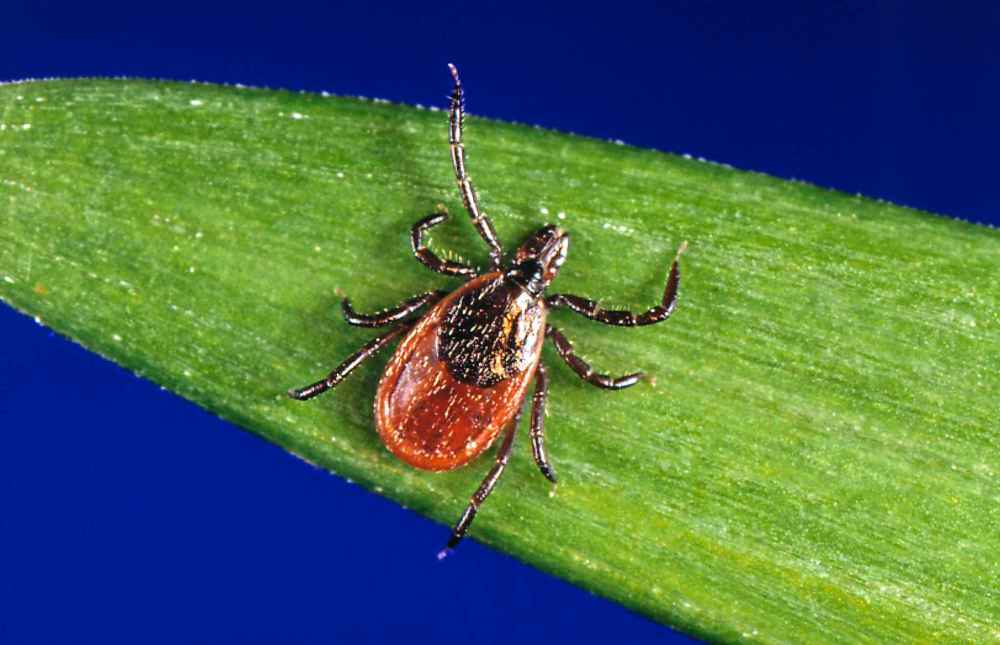
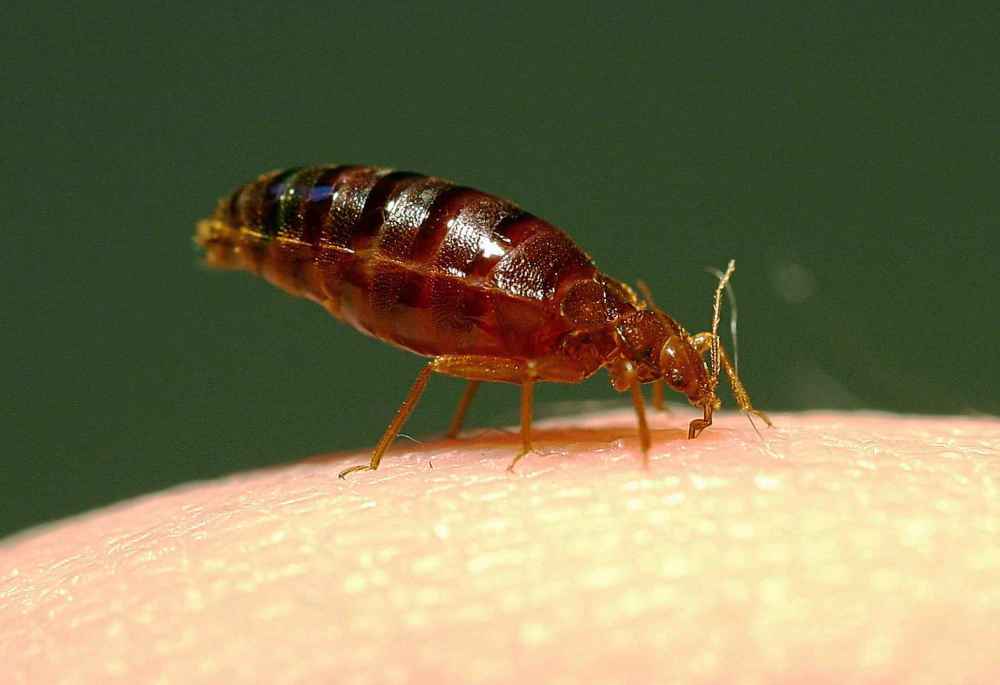
If these miniature monsters had an attack manual, it would read like this: 1) wait until the human host is sleeping; 2) give them an anesthetic so they won’t notice the bites; 3) gorge on human blood for about 10 minutes; 4) poop on the human before scuttling away.
When the human awakens to itchy welts and finds a few bedbugs in the seam of the mattress, it’s likely too late to stop an infestation. Bedbugs hide extremely well, reproduce rapidly and can go for months in a hibernation-like state before they awake, hungry for human blood.
They’re as small as apple seeds, but it’s an epic challenge to get rid of them.
Do-it-yourselfers will try killing the visible ones with rubbing alcohol, laundering clothing and bedding at the hottest possible temperatures, steam-cleaning carpets and using retail insecticides. These methods often don’t work.
It can cost thousands of dollars to hire professional exterminators, who have methods such as heating the entire home to nearly 50 C, or evacuating the home for several days while they tarp it and fill it with a fumigation gas.
Your infestation also can make you a social pariah. Once word gets out, wary friends will find reasons not to visit your home. They could also be less likely to invite you to their home, for fear the invitation will include bedbugs hiding in your clothing, shoes or purses.
Carl DeGurse is a member of the Free Press editorial board.
Related Articles
Invasion of creepy crawlies winding down in city
Advertisement Advertise With Us
Advertisement Advertise With Us
History
Updated on Wednesday, June 13, 2018 11:02 AM CDT: adds photos