

Canadian Forces are pulling their NATO weight
Advertisement
Read this article for free:
or
Already have an account? Log in here »
To continue reading, please subscribe:
Monthly Digital Subscription
$1 per week for 24 weeks*
- Enjoy unlimited reading on winnipegfreepress.com
- Read the E-Edition, our digital replica newspaper
- Access News Break, our award-winning app
- Play interactive puzzles
*Billed as $4.00 plus GST every four weeks. After 24 weeks, price increases to the regular rate of $19.95 plus GST every four weeks. Offer available to new and qualified returning subscribers only. Cancel any time.
Monthly Digital Subscription
$4.99/week*
- Enjoy unlimited reading on winnipegfreepress.com
- Read the E-Edition, our digital replica newspaper
- Access News Break, our award-winning app
- Play interactive puzzles
*Billed as $19.95 plus GST every four weeks. Cancel any time.
To continue reading, please subscribe:
Add Free Press access to your Brandon Sun subscription for only an additional
$1 for the first 4 weeks*
*Your next subscription payment will increase by $1.00 and you will be charged $16.99 plus GST for four weeks. After four weeks, your payment will increase to $23.99 plus GST every four weeks.
Read unlimited articles for free today:
or
Already have an account? Log in here »
Hey there, time traveller!
This article was published 19/07/2018 (2825 days ago), so information in it may no longer be current.
U.S. President Donald Trump is complaining about Canada and other allies not spending enough on their military operations. This brings into play the NATO goal of each country spending two per cent of its gross domestic product (GDP) on defence.
Aside from the ridiculous new idea of doubling that goal, there are two problems with this “two per cent of GDP” figure. First, meeting it would increase defence spending by approximately two-thirds in Canada, and secondly, it is the wrong measurement for capabilities and contributions to NATO.
A two-thirds defence expenditure hike would necessitate either substantial tax increases and/or significant reductions in other government programs and services, including social support measures. I consider that unrealistic and unacceptable.
GDP can go up or down, or it can be stagnant. If we have robust economic growth over the next decade, getting to two per cent will become even more expensive and challenging. If we unfortunately experience a recession, then our percentage of GDP for military expenditure can increase without spending a dollar more.
What sense does that make in terms of measuring capabilities and contributions? Also, only four of 29 NATO countries currently meet the two per cent goal. And the goal is not compulsory — as the Harper government said after the last summit in Wales, it is “aspirational.”
In my five years serving as minister of national defence in the Jean Chrétien cabinet, I never came to appreciate that two per cent of GDP was the appropriate way to measure our contributions as a member of the alliance. That was verified by NATO officials Simon Lunn and Nicholas Williams, who wrote: “The two per cent takes no account of the ebbs and flows of economic fortunes; is vulnerable to changing circumstances and domestic pressure, both in terms of the security requirements and the economic base; encourages creative accounting to satisfy targets; and provides zero guidance concerning precisely what capabilities are needed to counter the threats and challenges that NATO faces.”
If not two per cent of GDP, then what?
We could, for example, measure per capita expenditures, in which case Canada ranks ninth out of 29 member states, or a percentage of the federal government expenditures, in which case Canada ranks sixth. In either case, we rank above the NATO average if you exclude the United States, which is really in a league of its own, spending more than double the outlay on defence of all the other NATO countries combined.
Better still, shouldn’t we be measuring outputs and outcomes rather than input percentages? As Lunn and Williams suggest, the important measurement should be based on capabilities and contributions.
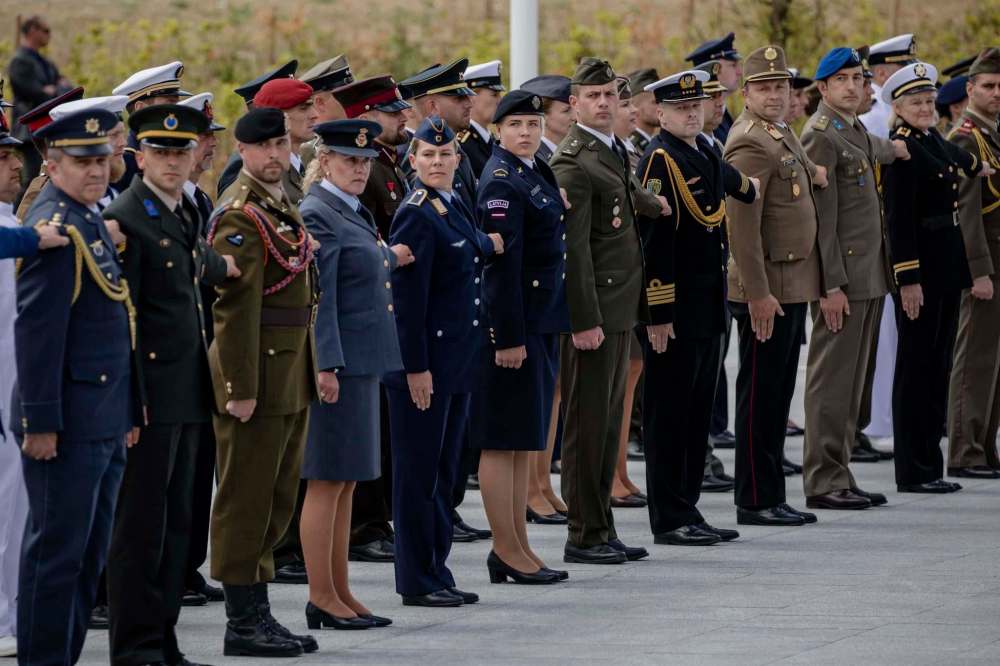
When it comes to capabilities, our Canadian Forces personnel are some of the best in the world. They are motivated, highly skilled and dedicated to their roles. Our allies around the world, including the U.S. military, recognize this.

We are no laggard when it comes to joint military exercises and contributing to multilateral missions. We don’t need all the equipment in the world — we work with our allies — but what’s important is the interoperability with them that strengthens the capabilities of our troops.
On the issue of equipment, NATO does want member countries to update their assets and the government has started to implement that request with budget increases this year and thereafter. This commitment is real investment in the equipment of our forces, one that is not tied to GDP but reflects actual military expenditures, and again contributes to capabilities.
When it comes to recent contributions, we have sent troops and equipment, along with our NATO allies, to operations in Afghanistan, Bosnia, Kosovo, and are currently leading a mission in Latvia. And now with the United Nations, they are headed to Mali.
It is these and other capabilities and contributions to the defining conflicts of our time that armed forces should be measured by — not something as flawed as a financial yardstick that is tied to GDP.
Art Eggleton is a member of the Canadian Senate from Toronto. He currently serves as chairman of the standing committee on social affairs, science and technology.