Leadership won’t be deciding factor
Advertisement
Read this article for free:
or
Already have an account? Log in here »
To continue reading, please subscribe:

Digital Subscription
One year of digital access for only $205*
- Enjoy unlimited reading on winnipegfreepress.com
- Read the E-Edition, our digital replica newspaper
- Access News Break, our award-winning app
- Play interactive puzzles
*First annual payment billed as $205.00 + GST for one year. This annual subscription will automatically renew at $233.00 + GST every 52 weeks (10% off the regular annual price of $259.35). Offer available to new and qualified returning subscribers only. Cancel any time.
To continue reading, please subscribe:
Add Free Press access to your Brandon Sun subscription for only an additional
$1 for the first 4 weeks*
- Enjoy unlimited reading on winnipegfreepress.com
- Read the E-Edition, our digital replica newspaper
- Access News Break, our award-winning app
- Play interactive puzzles
*Your next Brandon Sun subscription payment will increase by $1.00 and you will be charged $17.95 plus GST for four weeks. After four weeks, your payment will increase to $24.95 plus GST every four weeks.
Read unlimited articles for free today:
or
Already have an account? Log in here »
Hey there, time traveller!
This article was published 02/08/2019 (2620 days ago), so information in it may no longer be current.
The performance of the leaders of Manitoba’s political parties and voters’ perceptions of those performances will be a significant factor in determining the outcome of the provincial election scheduled for Sept. 10. However, leadership alone is unlikely to drive voters’ choices.
Leadership personality and style have always mattered in elections. Voter disenchantment, weak party loyalty, complex policy problems and the media’s focus on leaders seem to have made our politics more personalized than ever. However, careful empirical studies indicate that leadership is seldom the lone determinant of election outcomes.
This is because the leadership factor operates in the voters’ minds in conjunction with other factors, such as the state of the economy, their economic and social circumstances, their ideologies and the strength of their partisan identities, the current issues at play. Geography, gender, language and religion also play a part. Pundits should be humble in claiming to know how all these factors combine to determine elections.

Manitoba, with its political culture of moderation and pragmatism, has not been known for producing charismatic leaders. Our greatest premier, Progressive Conservative leader Duff Roblin, presided over a decade of long overdue innovation in economic, educational and social policy, but he was far from being flamboyant.
As NDP premier for a decade, Gary Doer was very popular across party lines, but he never stayed too far ahead of public opinion. Manitobans, it seems, do not yearn for a strong leader who dominates the political stage and promotes sweeping change.
Leadership appeal will not give any of Manitoba’s three main parties a major advantage in the election. Brian Pallister (PC), Wab Kinew (NDP) and Dougald Lamont (Liberal) are each competent leaders; however, none of them is likely to achieve a strong emotional connection with voters beyond their core of loyal supporters. This is not a dismissive criticism. There are no perfect leaders, and Manitobans have realistic expectations.
Pallister is an experienced political actor who has demonstrated ambition, discipline and resilience throughout a career that eventually brought him to the premier’s office after a record-breaking win in the 2016 election. That victory represented mainly a rejection of the NDP.
The size of the victory owed something to Pallister’s planning and organizing skills. He is not a naturally gifted leader. At times, he has had trouble reading situations, leading to a number of well-publicized gaffes. His strong ideological convictions about the need for low taxes and limited government mean he can come across as combative, arrogant and stubborn. He is the “face” of a government that has pursued an agenda of budgetary restraint and cuts, and the opposition parties will make him the focal point of their attacks.
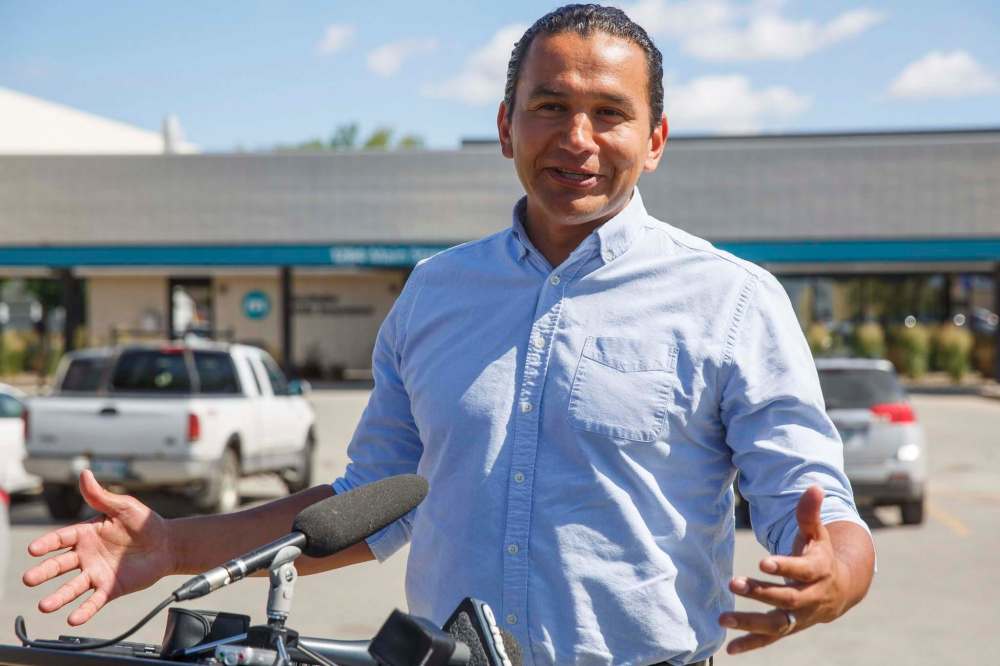
Wab Kinew became leader of the NDP in 2017, after success as a musician, broadcaster, author, university administrator and an Opposition MLA elected in 2016. Although his small-scale celebrity status brought some advantages, it also meant his personal life is an open book, including his checkered past of homophobic/misogynistic rap lyrics and several clashes with the law.
These incidents have provided the basis for attacks ads by the PCs and nasty social-media commentaries. The election will be a test of whether voters think Kinew has changed his character. An additional handicap he faces is residual infighting within his party and the necessity of disowning some of the actions of the former NDP government.

To his advantage, Kinew is bright and an effective communicator who is adept at presenting himself and his messages on all forms of media. The fallout from tough decisions by the PC government gives him plenty of ammunition to use in the election battle. The problem will be the credibility of the message and the messenger.
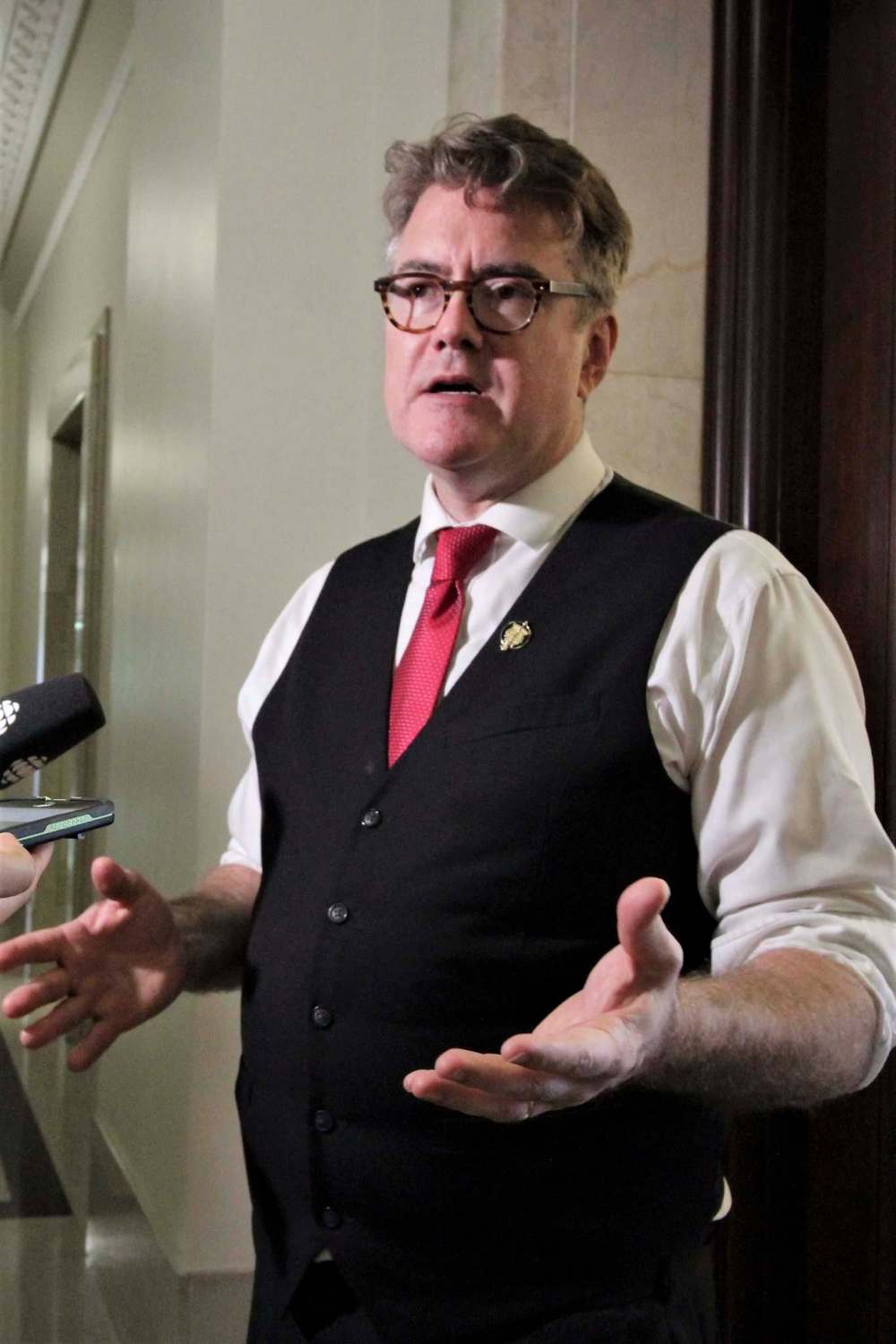
Dougald Lamont became leader of the Liberals in 2017, making him the 11th leader of the party since 1969 — an indication of how the party has struggled to escape its status as Manitoba’s distant third-place party. Frequent leadership changes have contributed to a blurred image of a party that has shifted between left- and right-wing policy positions.
Lamont has decades of experience as a back-room policy adviser, but only entered the legislature after a byelection win in St. Boniface in July 2018. The general election will be a much bigger test of his skills at the “retail politics” of selling himself and his party to an entire province. Not only must he gain greater public recognition, he must also build a unified team of credible candidates.
In the September election, voters will no doubt compare these three leaders. But multiple other factors will largely determine how they mark their ballots.
Paul G. Thomas is professor emeritus of political studies at the University of Manitoba.