

Kinew turning NDP into a contender
Advertisement
Read this article for free:
or
Already have an account? Log in here »
To continue reading, please subscribe:

Digital Subscription
One year of digital access for only $205*
- Enjoy unlimited reading on winnipegfreepress.com
- Read the E-Edition, our digital replica newspaper
- Access News Break, our award-winning app
- Play interactive puzzles
*First annual payment billed as $205.00 + GST for one year. This annual subscription will automatically renew at $233.00 + GST every 52 weeks (10% off the regular annual price of $259.35). Offer available to new and qualified returning subscribers only. Cancel any time.
To continue reading, please subscribe:
Add Free Press access to your Brandon Sun subscription for only an additional
$1 for the first 4 weeks*
- Enjoy unlimited reading on winnipegfreepress.com
- Read the E-Edition, our digital replica newspaper
- Access News Break, our award-winning app
- Play interactive puzzles
*Your next Brandon Sun subscription payment will increase by $1.00 and you will be charged $17.95 plus GST for four weeks. After four weeks, your payment will increase to $24.95 plus GST every four weeks.
Read unlimited articles for free today:
or
Already have an account? Log in here »
Hey there, time traveller!
This article was published 05/02/2021 (2053 days ago), so information in it may no longer be current.
Manitoba NDP Leader Wab Kinew easily passed a party leadership review last weekend. When asked whether the party should hold a leadership race, 93 per cent of the 288 voting members gave the idea a thumbs-down and Kinew a thumbs-up. This good news for the NDP leader comes as the party is enjoying both new fundraising strength and renewed popularity, particularly in Winnipeg.
Parties’ fortunes rise and fall, but it’s worthwhile to take note of how the state of the NDP has changed in a relatively short time. It was just over six years ago that five ministers resigned from then-premier Greg Selinger’s NDP cabinet, citing “grave concerns” with the premier’s leadership. Selinger requested a leadership race to clarify his role in the party which he won by the skin of his teeth. He led the hobbled, fractious NDP into the new provincial elections and was thoroughly shellacked by Brian Pallister’s Progressive Conservatives.
Kinew inherited a party that was riven by internal discord and factionalization. Most members of the party’s shrunken caucus following its 2016 defeat had their own unique histories of conflict within the party. Kinew, in contrast, was a relative newcomer, and he struggled to keep his party focused and in line. Pallister often faced an Opposition that was more interested in critiquing itself than the government.
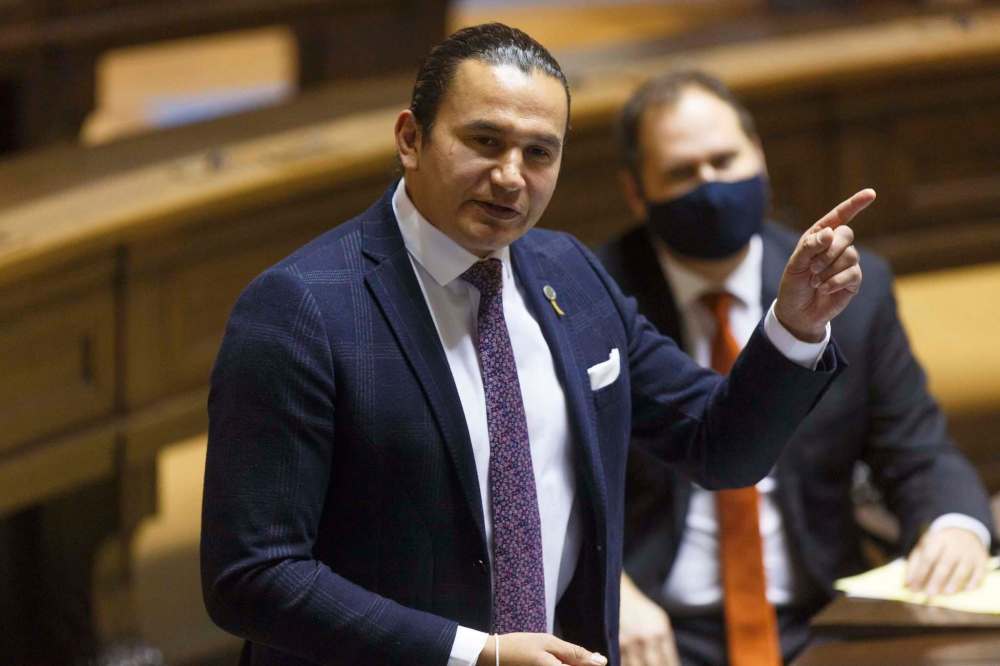
The last provincial election went a long way toward changing that. Kinew lost to Pallister, but there was little desire in the NDP to oust the leader and, contrary to some expectations, Kinew decided to stick around. The NDP caucus grew in the 2019 election. But more importantly, the character of the party and especially of the caucus changed.
The departure of some old warriors meant fewer MLAs had a stake in fighting old battles, and the decision to bar Steve Ashton from running for re-election prevented old wounds related to the former minister from being reopened. Kinew’s neophyte MLAs hadn’t been around for the old conflicts and had no interest in re-fighting them.
Furthermore, the party’s new MLAs were elected under Kinew’s leadership and so had some degree of loyalty to the leader from the outset.
The result was an immediate boost in both party discipline and focus. The party seemed to make a conscious decision to focus on government cuts to health and education, knowing that these were the issues that could be used to pry suburban Winnipeg seats out of the hands of incumbent Tory MLAs.
The party has been measured rather than hysterical in its criticisms of Pallister and his ministers, with the seeming goal of presenting itself as a respectable government-in-waiting.
One example of the new NDP approach came in 2020 when it was revealed that then-education minister Kelvin Goertzen had attended a webinar on home-schooling which, it turned out, was also attended by a far-right German politician. Liberal Leader Dougald Lamont went bananas in response to this revelation, accusing Goertzen of “flirting with fascists.”
But the NDP’s education critic, MLA Nello Altomare, struck a different tone, saying he was more concerned with the government’s cuts to education funding than with who Goertzen was hanging out with. The Tories, Altomare argued, were making cuts first and asking questions later.

The temptation to take a swipe at Goertzen must have been intense. But Altomare instead stayed focused on the NDP’s winning issue, cuts to education, and avoided hysterical attacks.
Altomare’s admirable discipline has not always been emulated by his colleagues. Some MLAs have taken to their Twitter accounts to freelance on party policy, often appearing intent on dragging the party as far to the left as possible. These efforts will get a thumbs-up from communities in which the NDP already scores landslide victories on election night, and the new language of privilege will be popular on university campuses. But these efforts are likely to be met with confusion and even alienation from residents of precisely the suburban Winnipeg ridings the NDP needs to win to form a government in this province.
The question for the future is whether Kinew and the NDP are simply benefiting from the current government’s pandemic missteps, which have dragged the premier’s popularity into the basement. The smart money is still on Pallister stepping down as leader prior to the next election, which means Kinew will likely face a PC leader who is not weighed down by Pallister’s baggage, particularly related to COVID-19.
The next Manitoba election is likely to be a competitive, exciting race. And whatever the outcome, the NDP’s turnaround from a party in shambles to a disciplined contender in just a few years is a remarkable achievement.
Royce Koop is an associate professor in the department of political studies and co-ordinator of the Canadian studies program at the University of Manitoba.