

A budget to help Manitoba — and the planet
Advertisement
Read this article for free:
or
Already have an account? Log in here »
To continue reading, please subscribe:

Digital Subscription
One year of digital access for only $205*
- Enjoy unlimited reading on winnipegfreepress.com
- Read the E-Edition, our digital replica newspaper
- Access News Break, our award-winning app
- Play interactive puzzles
*First annual payment billed as $205.00 + GST for one year. This annual subscription will automatically renew at $233.00 + GST every 52 weeks (10% off the regular annual price of $259.35). Offer available to new and qualified returning subscribers only. Cancel any time.
To continue reading, please subscribe:
Add Free Press access to your Brandon Sun subscription for only an additional
$1 for the first 4 weeks*
- Enjoy unlimited reading on winnipegfreepress.com
- Read the E-Edition, our digital replica newspaper
- Access News Break, our award-winning app
- Play interactive puzzles
*Your next Brandon Sun subscription payment will increase by $1.00 and you will be charged $17.95 plus GST for four weeks. After four weeks, your payment will increase to $24.95 plus GST every four weeks.
Read unlimited articles for free today:
or
Already have an account? Log in here »
Hey there, time traveller!
This article was published 26/02/2024 (927 days ago), so information in it may no longer be current.
There is an issue that touches on all the important measures Premier Wab Kinew will likely seek to address in his first budget. It encompasses the health, security, prosperity, and future of all Manitobans. It is also one in which the planet has a stake.
That issue is conserving nature.
Premier Kinew has already demonstrated strong leadership by committing to expand protected areas in Manitoba from 11 per cent of the province today to 30 per cent in 2030.
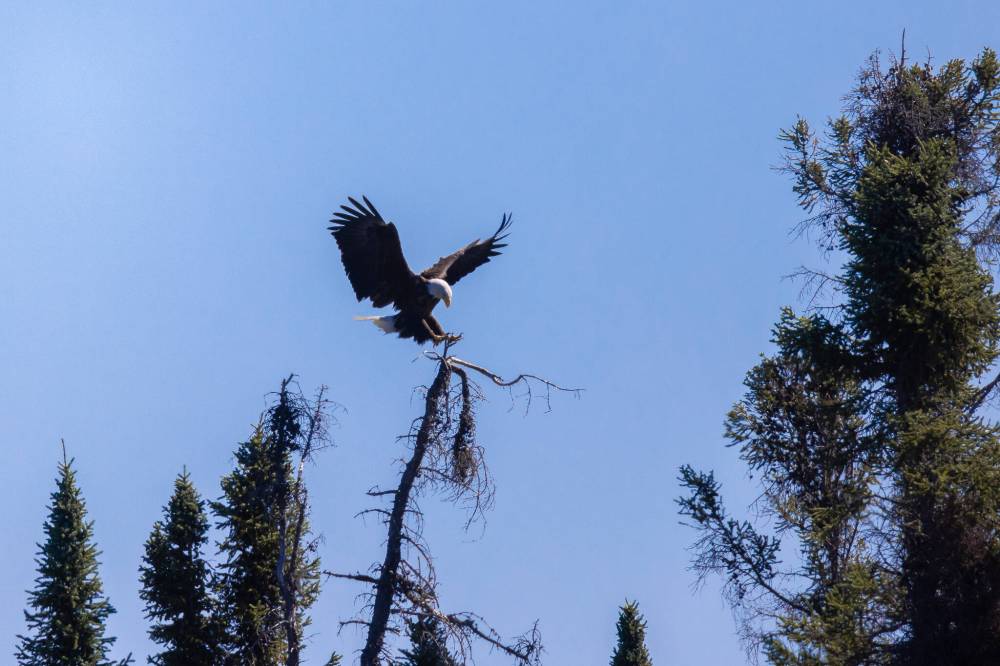
That makes Manitoba the third province or territory to join the 30×30 pledge signed by Canada and 195 other nations at a December 2022 United Nations biodiversity conference in Montreal. It is a move desperately needed to reverse the planet’s rapid loss of biodiversity and tackle the ever-worsening climate crisis around the world.
Just a few months after taking office, Kinew’s government took a major step towards achieving its commitment to protect 30 per cent of Manitoba by working with Indigenous nations. It reached an agreement in January with the four First Nations of the Seal River Watershed Alliance and the federal government to move forward on establishing an Indigenous Protected and Conserved Area in a vast, richly biodiverse, and globally important region in northern Manitoba. Interim protection was granted for 42,808 kilometres of pristine lands and waters — about seven per cent of Manitoba.
There are at least seven other Indigenous-led conservation initiatives in Manitoba and many other candidate protected areas to consider on the path to 30×30. But it will still take a lot of work to get from 11 per cent to 30 per cent protected in just six years.
That’s why the upcoming Manitoba budget needs to show a strong investment in protecting nature, which includes support for working with Indigenous nations and building the government’s internal capacities to support the required processes.
Investing in preserving Manitoba’s natural beauty is an investment in our health and our economy. If left unchecked, climate change and biodiversity loss will only exacerbate issues concerning housing, jobs, health, food security, and energy needs.
There are other benefits as well. Conservation, land stewardship, and ecotourism can provide sustainable economic and social benefits for the Indigenous communities living in the north. Sustaining and expanding biodiversity can help make for healthier prairies and farming. Vibrant wetlands benefit hunters and outfitters. The list goes on.
We appreciate Premier Kinew’s commitment to working with Indigenous Nations to expand protected areas in a good way. We also urge more direct support for existing protected areas, like the Pimachiowin Aki World Heritage Site.
Sites like these require sufficient core operational funding to maintain their ecological integrity.
Adequate funding will ensure these sites continue to provide value to the community and remain successful and inspirational models for both conservation and reconciliation.
The first human footprints here were made by the ancestors of the Indigenous peoples who call these lands home. These lands are sustained by Indigenous knowledge and stewardship skills accumulated over thousands of generations. Who better to lead the conservation of nature?
Manitoba can become an example to Canada and the world. And many far beyond its borders will be watching because what happens here can have an impact on the entire world.
The Manitoba Boreal region spans 86 per cent of the province, a total of 56 million hectares across the Boreal Plains, Boreal Shield, Hudson Plains, and Taiga Shield. Bigger than Spain and every U.S. state except Alaska and Texas, 80 per cent of this global treasure remains intact and development-free: it is accessible mostly only by air, water, or ice road.
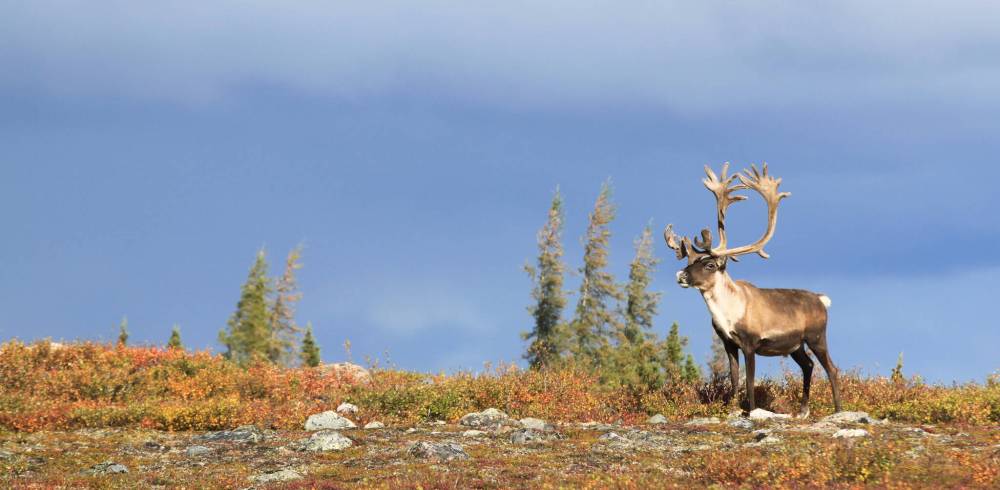
Perhaps the most easily observable example of this in cities like Winnipeg can be found in the skies and back yards and parks. If you have heard and seen fewer birds in recent years, you are correct, and not just because of the growing number of forest fires.
The bird population of North America has plummeted by 3 billion since the 1970s as the climate has changed. And let’s be honest — our human fates are not divorced from the ecosystems we share with birds.
Vast numbers of migratory birds rely on the Boreal forest in Canada as their nurseries and way stations. The Seal River Watershed alone boasts an estimated 250 bird species. It supports about 10 million breeding birds that nest here between April and August, and then travel south to locations across the U.S., Mexico, the Caribbean, Central and South America, and even sub-Antarctic waters.

Millions more use these vital habitats as refueling and resting sites along their long journeys across our hemisphere.
Through the Seal River Watershed IPCA and other conservation initiatives, Manitoba can protect 30 per cent of the lands and waters which provide countless benefits for the province and for the planet.
We have only six years until 2030, so there is no time to waste.
We need Premier Kinew to demonstrate strong ambition toward achieving this commendable goal in his first budget.
Jeff Wells is vice-president for Boreal Conservation at the National Audubon Society. Ron Thiessen is executive director of the Manitoba chapter of the Canadian Parks and Wilderness Society.
Related Articles
Canada, Manitoba lagging behind promise to meet 2030 target of protecting more land and water
Advertisement Advertise With Us
Advertisement Advertise With Us