

Bringing the curtain down — finding closure
Advertisement
Read this article for free:
or
Already have an account? Log in here »
To continue reading, please subscribe:
Monthly Digital Subscription
$1 per week for 24 weeks*
- Enjoy unlimited reading on winnipegfreepress.com
- Read the E-Edition, our digital replica newspaper
- Access News Break, our award-winning app
- Play interactive puzzles
*Billed as $4.00 plus GST every four weeks. After 24 weeks, price increases to the regular rate of $19.95 plus GST every four weeks. Offer available to new and qualified returning subscribers only. Cancel any time.
Monthly Digital Subscription
$4.99/week*
- Enjoy unlimited reading on winnipegfreepress.com
- Read the E-Edition, our digital replica newspaper
- Access News Break, our award-winning app
- Play interactive puzzles
*Billed as $19.95 plus GST every four weeks. Cancel any time.
To continue reading, please subscribe:
Add Free Press access to your Brandon Sun subscription for only an additional
$1 for the first 4 weeks*
*Your next subscription payment will increase by $1.00 and you will be charged $16.99 plus GST for four weeks. After four weeks, your payment will increase to $23.99 plus GST every four weeks.
Read unlimited articles for free today:
or
Already have an account? Log in here »
Hey there, time traveller!
This article was published 13/03/2024 (752 days ago), so information in it may no longer be current.
What is closure? It is supposed to be something you eventually find or achieve after a traumatic event.
The problem is that trauma rewires your brain and not in a good way.
In my case, the trauma of nearly dying changed me. I started to overreact to provocations and issues of justice and ethics that never used to bother me. It was like my amygdala, the part of the brain that regulates emotions and behaviour, had been hijacked and was sometimes missing in action.
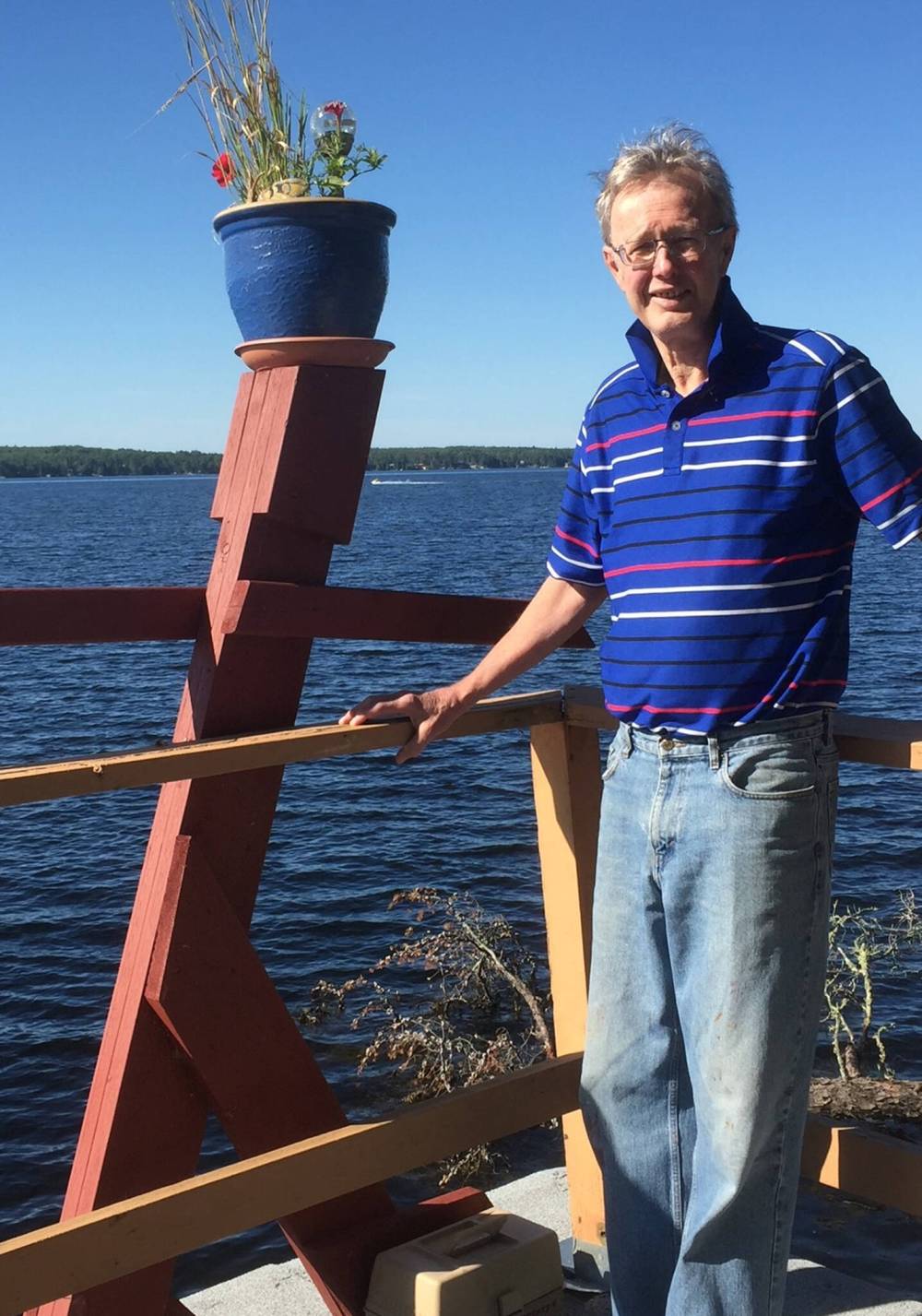
But I appreciate attempts by others to help me achieve “closure.”
About a year ago The Investigation Committee of the College of Physicians and Surgeons of Manitoba expressed the hope that I will “find some closure in having (my) concerns addressed” in a decision they sent me. In their decision, they directed that an article be published in the CPSM Newsletter “that provides information about the proper approach to cellulitis, including treatment and follow up instructions to the patient.”
Recently the college, through their public support adviser sent me the link to the article: http://www.cpsm.mb.ca/news/is-cellulitis-part-of-the-differential-diagnosis
It is a six-page comprehensive article for physicians that details the complexities related to diagnosing and treating cellulitis and other skin, soft tissue, bone, and joint infections.
Closure is about what you find and achieve.
But it also involves what you learn.
I have been on an almost eight-year medical journey which has taught me a great deal.
The journey started with a cellulitis infection in my finger that very quickly became septic, putting me in a coma for 10 days, the ICU for three weeks, and a recovery which is ongoing.
What I have learned about sepsis is that it is the most lethal and yet preventable illness known to modern medicine. It is also the most litigated medical illness, because it is difficult to diagnose and treat.
But what really disturbs me is that only 10 per cent of Canadians have accurate information about sepsis. Sepsis is an illness which, according to Sepsis Canada, kills more people globally than cancer.
The mortality rate for sepsis in the ICU is 20 to 30 per cent. Another 50 per cent will not survive the next five years.
Sepsis survival, however, is a double-edged sword.
I was ecstatic that I survived sepsis while, at the same time, I was in a rage about what had happened to me.
Without a fully functioning amygdala, I struggled with these conflicting emotions.
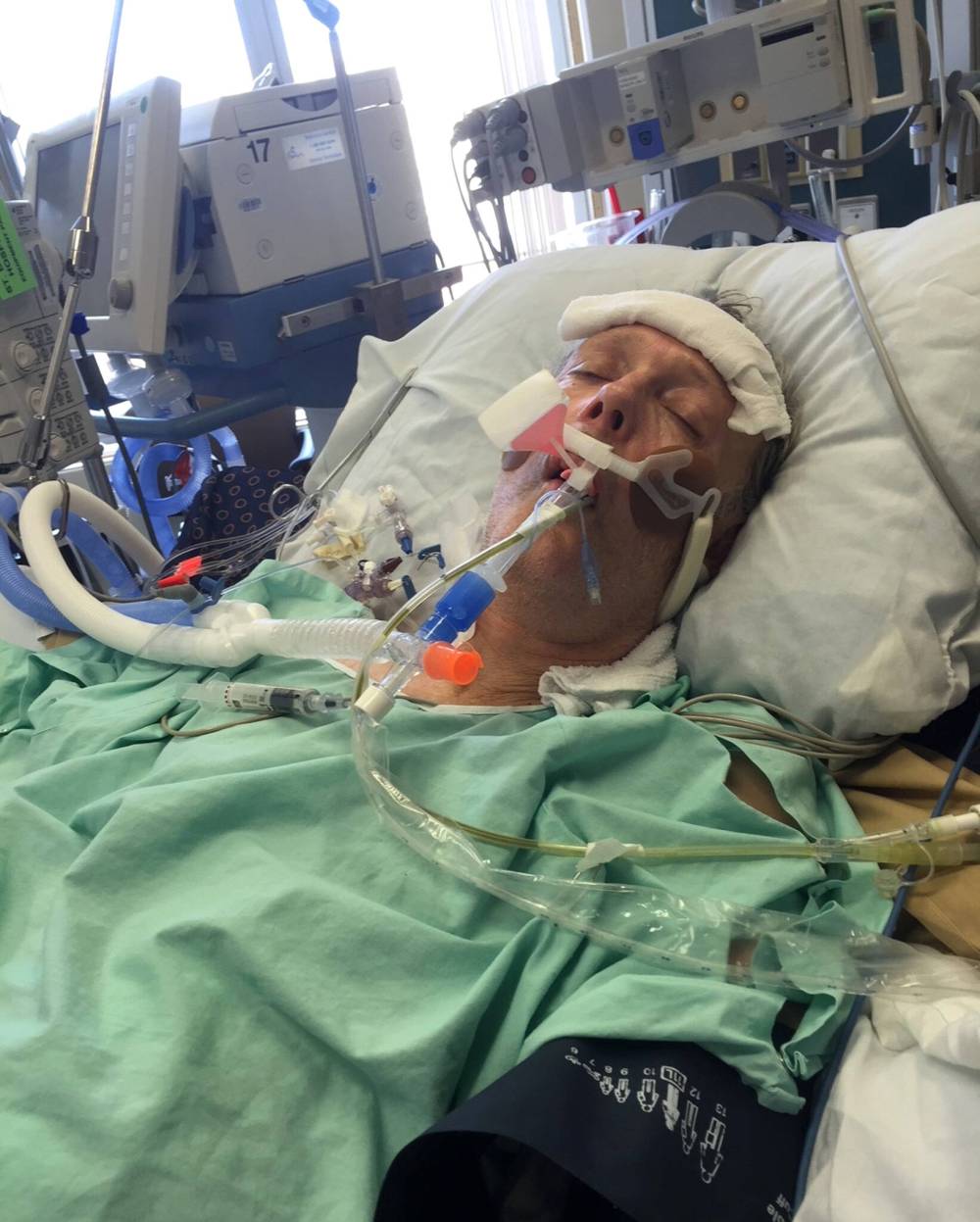
But closure entails creating a new normal, channelling your emotions into productive outlets and using what you have learned to move forward positively.
An important issue which I have tried to address is that of the public interest as it pertains to medical mistakes. The College of Physicians and Surgeons of Manitoba has as its mandate the protection of the public interest. The article which they sent me reflects their belief in the importance of this concept.
The CPSM mandate aside, the college should ask themselves who their client is — that is, to whom are they providing a service.
It does appear that the college regards their physicians/registrants as their clients and are providing a technical and specialized service to them.
Perhaps the college needs to do a reset and begin thinking of the public as their client.
It is not sufficient to outline to physicians what the differential diagnosis is for a cellulitis when the public virtually knows nothing about the dangers of infections.

Providing physicians, and not the public, with information only perpetuates a paternalistic system. We need to have an informed patient population capable of working in partnership with their physicians to create best practices and favourable outcomes.
Overall, though, during this journey I have become more hopeful and optimistic.
As a patient partner in several important medical research projects, I believe that patients and medical professionals can work together to find effective treatments for sepsis and other challenging illnesses.
It has been said that we make our path in life by walking. Closure is part of that journey.
Mac Horsburgh is a sepsis survivor and patient advocate from Winnipeg.