

A better response for sexual assault victims
Advertisement
Read this article for free:
or
Already have an account? Log in here »
To continue reading, please subscribe:

Digital Subscription
One year of digital access for only $205*
- Enjoy unlimited reading on winnipegfreepress.com
- Read the E-Edition, our digital replica newspaper
- Access News Break, our award-winning app
- Play interactive puzzles
*First annual payment billed as $205.00 + GST for one year. This annual subscription will automatically renew at $233.00 + GST every 52 weeks (10% off the regular annual price of $259.35). Offer available to new and qualified returning subscribers only. Cancel any time.
To continue reading, please subscribe:
Add Free Press access to your Brandon Sun subscription for only an additional
$1 for the first 4 weeks*
- Enjoy unlimited reading on winnipegfreepress.com
- Read the E-Edition, our digital replica newspaper
- Access News Break, our award-winning app
- Play interactive puzzles
*Your next Brandon Sun subscription payment will increase by $1.00 and you will be charged $17.95 plus GST for four weeks. After four weeks, your payment will increase to $24.95 plus GST every four weeks.
Read unlimited articles for free today:
or
Already have an account? Log in here »
Hey there, time traveller!
This article was published 30/04/2024 (869 days ago), so information in it may no longer be current.
Sexual assault, intimate partner violence, and harassment are some of the least understood and most unreported crimes in our society. Upwards of 95 per cent of all survivors never report being assaulted, and for those brave enough to enter a police agency and provide a recounting of their most traumatic experience, the crime often goes unpunished. Perpetrators frequently face leniency at best, getting off scot-free at worst.
Case in point: the recent overturning of a rape conviction against Harvey Weinstein.
Last week, New York’s highest court reversed a decision in a landmark ruling that once set off the entire #MeToo movement in 2017 and spurred an international reckoning with sexual violence by powerful men. Now, with this charge overturned because of some “legal technicalities,” survivors are left feeling bereft, perhaps even disbelieved, discredited, and devalued.
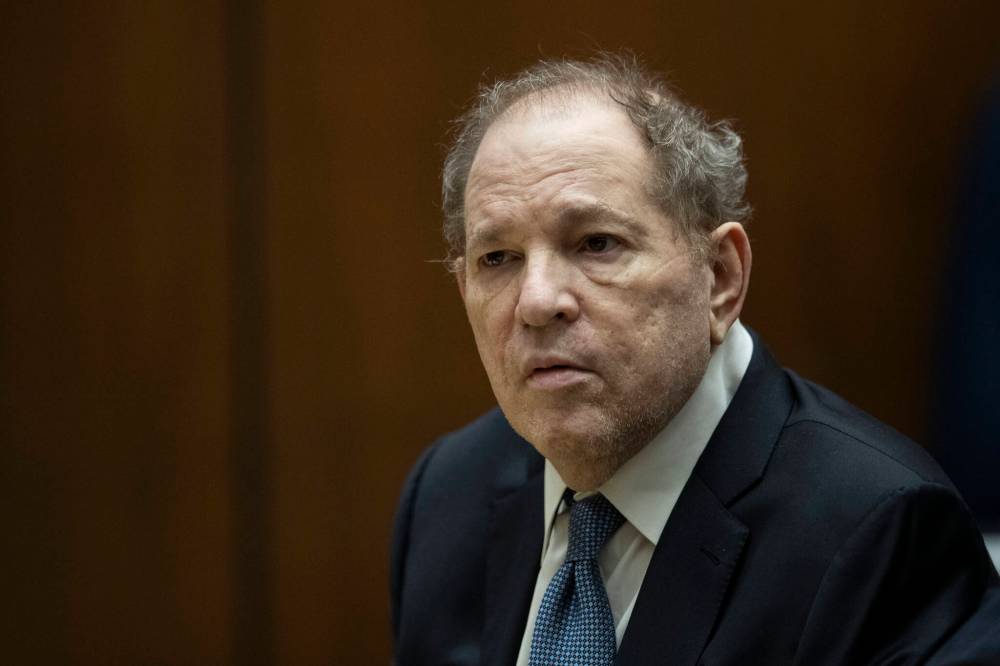
ETIENNE LAURENT / ASSOCIATED PRESS FILES
Some charges against former film producer Harvey Weinstein were overturned on appeal in New York. He remains in prison on other convictions.
Even if the district attorney decides to retry Weinstein, these survivors will have to testify once again, retraumatizing themselves all over again. The only solace to be had in this entire mess is that Weinstein remains behind bars for a separate conviction and won’t be released because of this ruling.
The Weinstein case is but one of many examples of how survivors of sexual assault are often not fully supported.
Closer to home, there once was a time when 19 per cent of all sexual assault claims were dismissed as “unfounded” by police agencies across Canada. Thanks to a ground-breaking investigation by Globe & Mail journalist Robyn Doolittle, the lid was blown off this historic practice of dismissing allegations as either false or baseless, prompting a public backlash and enough outrage to spur nationwide change. The federal government got involved with a task force, and law enforcement agencies worked to not only review previously dismissed cases but also create a better path forward.
Today, we are now seeing the number of unfounded cases drop by more than half. Down from 19 per cent, fewer than eight per cent of sexual assaults reported to police are being dismissed. This marks progress, with many police agencies now having civilian oversight on the handling of sexual assault cases, newly established protocols regarding who within the agency can dismiss a case, and trauma-informed training for personnel.
It’s one step in a long and arduous journey towards justice for survivors.
Another aspect is ensuring everyone in the prosecutorial process understands consent law, has addressed biases towards sexual assault survivors, and confronted and dispelled any lingering rape myths. For example, the myth that survivors must kick and scream during assault.
The trauma-informed approach offers an understanding that in the process of an assault, victims may not scream, or even fight back in the way we think they ought to. There is a much-studied phenomenon by experts confirming a common brain response to danger, known as ‘freezing,’ often results in no response at all from a victim during an attack.
Sadly, the absence of screaming, kicking and fighting back is tantamount to consent in some courtrooms. Disabusing people of these misconceptions is a larger problem, and one that will require a concerted effort by governments, agencies, and individuals, writ large.
In Canadian actor and screenwriter Sarah Polley’s essay The Woman Who Stayed Silent (mandatory reading for anyone seeking to understand this trauma, in my opinion) she explores the impact of trauma which often results in survivors making seemingly peculiar choices in the aftermath, such as feeling an impulse to ‘smooth things over’ with a perpetrator to neutralize the trauma and restore their sense of safety.
All too often, these misunderstood behaviours get used as evidence that no assault occurred, and in the absence of understanding trauma, the victim’s behaviour is put on trial to help a perpetrator avoid conviction.
It’s a trend that’s slowly reversing through education and awareness.

To that end, the NDP government unveiled a provincewide sexual assault response strategy last week. It promises to co-ordinate much-needed services including the sexual assault nurse examination program and other trauma-informed approaches throughout the province.
This welcomed strategy will be further developed and unveiled over the coming year and led by two renowned specialists in providing trauma-informed health care — Dr. Yvette Emerson and Dr. Vanessa Poliquin — and Leslie Spillet, a respected community elder.
As Manitoba continues to see some of the highest reported rates of gender-based violence in the country, these actions and investments are much needed.
If you or someone you know is experiencing intimate partner violence or sexual assault, help is available. Call the 24-hour Sexual Assault Crisis Line at 204-786-8631 or toll-free at 1-888-292-7565.
Rochelle Squires is a recovering politician after 7 1/2 years in the Manitoba legislature. She is a political and social commentator whose column appears Tuesdays. rochelle@rochellesquires.ca