

Ephemera has more value than we think
Advertisement
Read this article for free:
or
Already have an account? Log in here »
To continue reading, please subscribe:
Digital Subscription
One year of digital access for only $1.44 a week*
- Enjoy unlimited reading on winnipegfreepress.com
- Read the E-Edition, our digital replica newspaper
- Access News Break, our award-winning app
- Play interactive puzzles
*Billed as $5.77 plus GST every four weeks. After 52 weeks, price increases to the regular rate of $19.95 plus GST every four weeks. Offer available to new and qualified returning subscribers only. Cancel any time.
To continue reading, please subscribe:
Add Free Press access to your Brandon Sun subscription for only an additional
$1 for the first 4 weeks*
- Enjoy unlimited reading on winnipegfreepress.com
- Read the E-Edition, our digital replica newspaper
- Access News Break, our award-winning app
- Play interactive puzzles
*Your next Brandon Sun subscription payment will increase by $1.00 and you will be charged $17.95 plus GST for four weeks. After four weeks, your payment will increase to $24.95 plus GST every four weeks.
Read unlimited articles for free today:
or
Already have an account? Log in here »
Hey there, time traveller!
This article was published 02/01/2025 (524 days ago), so information in it may no longer be current.
According to the history of printing, what you are now reading is “ephemera.” Newspapers are intended to be read, but not kept. After all, as the old industry saying puts it, “today’s news is tomorrow’s fish-wrap” — and day-old digital versions are even less useful.
Books, however, are different. They are written (and printed) to be kept — and hopefully read, more than once. Bound and shelved, they are considered more permanent, something intended to bridge generations of readers, especially through the libraries that preserve them.
As an academic (and book collector), this understanding of ephemera was hard for me to accept when I worked in production during the early days of the Winnipeg Sun. Every typo was a dagger through the heart, especially if it was on a page I had made.
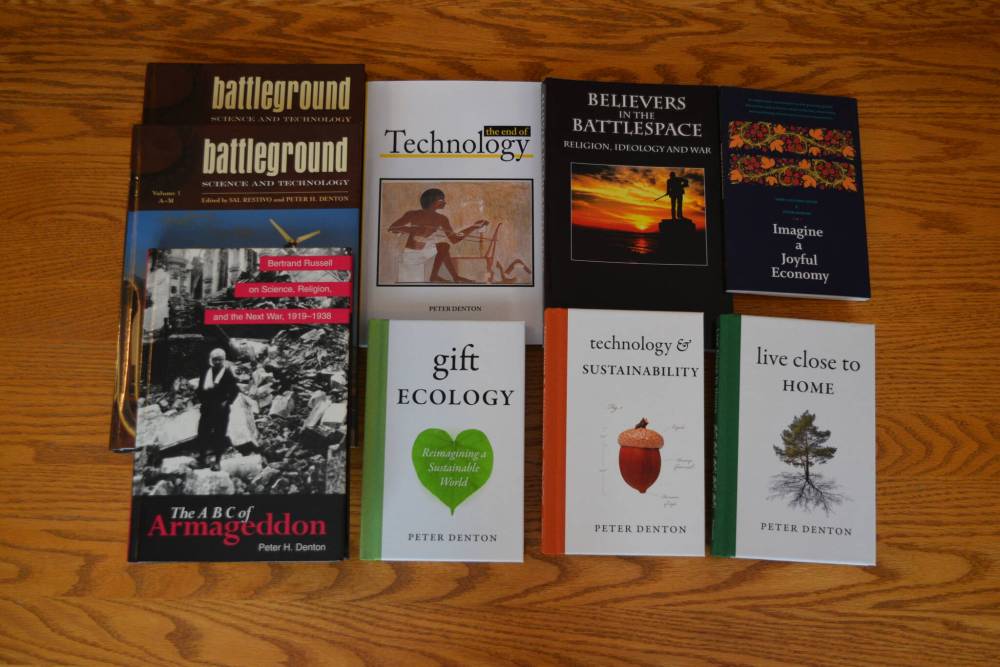
Submitted
The power of the press: more people will see this picture than will ever read all of columnist Peter Denton’s books, combined.
When my own writing occasionally appeared in print, the trauma of such mistakes was that much greater. It was a legacy of error left to amuse future generations and I would stew about the shame of it all, to the amusement of former Tribune colleagues who had been in the newspaper business much longer than me.
Unfortunately, I have not outgrown this feeling. Responsible now for eight printed books, I probably feel as much chagrin for the typos and mistakes they inevitably contain as any pleasure in the accomplishment. But I have also had to confront the literary reality that more people will read this single column than all of those books of mine combined, forever.
I only have the privilege of writing in this space twice a month, but over the past nine years, that has amounted to more than 200 columns and 175,000 words. And, while there might be an odd printed column stuck on a fridge or buried on a bulletin board, all of those words have vanished with the wind. Ephemera.
If the goal is to leave a legacy for future generations, bound up in books, then this seems a waste of time and effort. But if the goal is to change how people think, to change the way they understand their world, writing becomes more of a performance, instead.
I live with a family of performers, producers not of books but of other kinds of ephemera. Whether the words are spoken or sung or prayed, or the music is conducted or played, each time, the performance is unique. Long hours of practice lead to a single performance, perhaps just to a small crowd, who only catch a glimpse of all the time, effort and passion that led to such a fleeting creation. Ephemera.
Of course, in the material world there are “performance indicators.” So, we count the house, determining the size of the audience through ticket sales. A national bestselling book generally requires 5,000 copies to be sold in a week. We tally the downloads of a song, regarding physical copies of albums as quaint musical relics.
But none of those numbers can ever measure what that performance actually means. Many years later, I can still remember Yehudi Menuhin playing part of Beethoven’s Violin Concerto as an encore with the Winnipeg Symphony Orchestra. Money was tight and the tickets were expensive, so my parents had rolled Christmas and birthday together and given me a single ticket.
Another example of ephemera? Absolutely — but my mother told me I would never forget it and she was right.
There have been other times, without number, where the performance I witnessed changed my world in ways almost too insignificant to notice at the moment. But small changes, over a lifetime, can amount to major shifts in the trajectories of who we are and what we do. Small acts, whether of kindness or of misery, can transform people.
So, I hold doors open when I don’t need to and smile at random strangers or let vehicles merge in front of me when I have the right of way — just because. That very small gift may change their day in ways that bring a blessing to others I can’t foresee and will never know.
Life, after all, is ephemeral. It is a performance — not a rehearsal. As long as we live, we have the opportunity to offer something of who we are, both to the universe and to other people, every day and in whatever circumstance.

Those other people may not appreciate or understand our gift. They may sit through the concert playing games on their phones or posting “I wuz there” to their social media.
But I remain in awe, as I watch and listen to the gift of your art, catching a glimpse of something beyond the merely human, in that special moment seized from time.
So, I write ephemera. While I still grieve the books inside me I will never have the opportunity to complete, I trust that these few words written here might divert a thought and then perhaps a life, into some other, better pathway toward a future where love, art and peace may flourish.
That is a legacy that matters.
Peter Denton writes from his home in rural Manitoba.