

What can you do with $200 million?
Advertisement
Read this article for free:
or
Already have an account? Log in here »
To continue reading, please subscribe:

Digital Subscription
One year of digital access for only $205*
- Enjoy unlimited reading on winnipegfreepress.com
- Read the E-Edition, our digital replica newspaper
- Access News Break, our award-winning app
- Play interactive puzzles
*First annual payment billed as $205.00 + GST for one year. This annual subscription will automatically renew at $233.00 + GST every 52 weeks (10% off the regular annual price of $259.35). Offer available to new and qualified returning subscribers only. Cancel any time.
To continue reading, please subscribe:
Add Free Press access to your Brandon Sun subscription for only an additional
$1 for the first 4 weeks*
- Enjoy unlimited reading on winnipegfreepress.com
- Read the E-Edition, our digital replica newspaper
- Access News Break, our award-winning app
- Play interactive puzzles
*Your next Brandon Sun subscription payment will increase by $1.00 and you will be charged $17.95 plus GST for four weeks. After four weeks, your payment will increase to $24.95 plus GST every four weeks.
Read unlimited articles for free today:
or
Already have an account? Log in here »
Let’s see if I’ve got this right. In the article Carbon capture project gains support (June 30), Julia-Simone Rutgers writes that the direct carbon capture facility proposed by Deep Sky for construction in southwestern Manitoba will cost $200 million to build.
The company claims the facility will scrub 30,000 tonnes of carbon dioxide from the atmosphere each year and inject it 1,000 metres into the ground. To do this, it will need to draw up to 15 megawatts of power from the Manitoba Hydro grid for the first stage of the project. The project will be financed by selling carbon credits.
To put this into perspective, the Canadian industrial carbon price is set at $130 per tonne. At that price, Deep Sky will have to sell more than 1.5 million tonnes of carbon just to cover the upfront cost of building the plant. That’s over 51 years’ worth of carbon credits. And that doesn’t even cover the everyday operating costs, such as the electricity needed to run the plant.
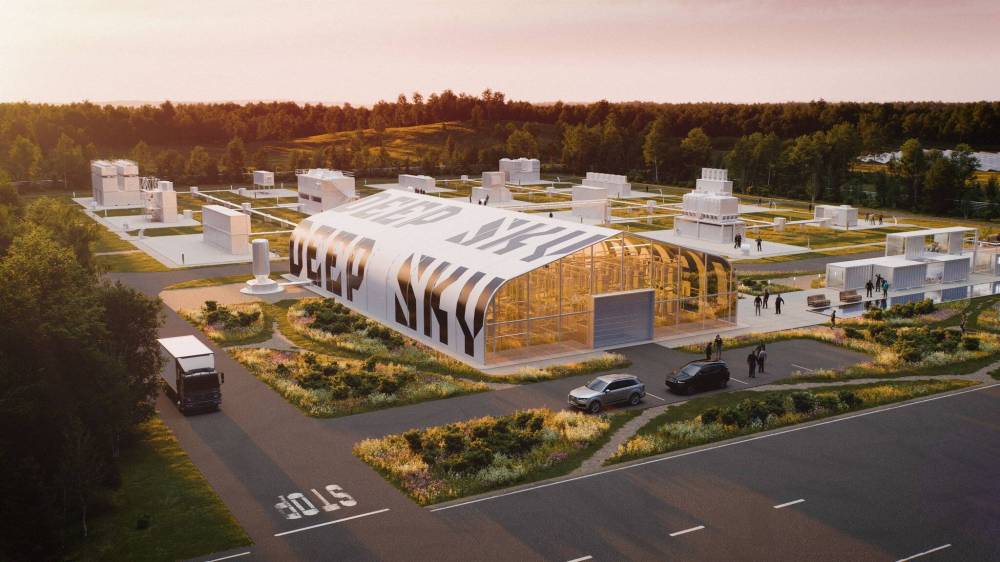
Deep Sky / Facebook
A rendering of what Deep Sky’s proposed Westman carbon capture site may look like.
Some studies suggest it requires about 2,000-2,500 kilowatt hours to electricity to capture one tonne of CO2 and inject it into the ground. To capture 30,000 tonnes, that’s about 60 million kWh. Even if Manitoba Hydro sells it to the facility for only $0.035/kWh, that’s an additional $70 per tonne.
Is there something else $200 million could be used for that would help reduce carbon in the air?
In 2024, the federal government announced the two billion trees program with a budget of $200 million over 10 years. A tree absorbs about 25 kilograms of carbon annually, depending on type and size. Two billion trees would absorb roughly 50 million tonnes of carbon annually. That’s 1,666 times the amount of carbon captured by the proposed facility. And there is no operating cost.
Where can we plant two billion trees? How about replacing the trees lost to wildfire in the last few years? Unfortunately, that program was shut down and is no longer accepting applications. I guess it’s not sexy enough.
Put another way, one tree absorbs about 25 kilograms of carbon per year. To absorb 30,000 tonnes of carbon — the same as the proposed direct carbon capture facility — would require about 1.2 million trees. At a cost of $10 per tree, that would cost about $12 million, about six per cent of the cost of the plant. Trees capture carbon — that’s what they do. And they are powered with built in solar collectors.
Anything else that $200 million could be used for to reduce carbon?
Replacing your gas furnace with a geothermal heat pump in a typical home reduces carbon emissions by about six tonnes annually. You can install a geothermal source heat pump for about $35,000 to $50,000, depending on the type of ground heat exchanger needed. If you have an older gas furnace that is on its last legs, you’ll have to set aside about $15,000 if you wanted to include air conditioning. After all, it’s getting warmer. That makes the extra cost to install a geothermal heat pump system about $20-35,000. $200 million will pay the extra cost for about 7,000 heat pumps. That reduces carbon emissions by about 42,000 tonnes annually. About 40 per cent more carbon reduction than the proposed carbon capture facility.
The article suggests the proposed carbon capture project will create about 750-1,000 jobs during construction and about 100 permanent jobs during operation. The two billion trees program was projected to create 4,300 jobs. The design and installation of 7,250 geothermal heat pump installations would create about 800 full-time positions, not including the service and maintenance jobs for the life of the system.

I’m trying to figure out how it makes sense to spend $200 million to build a facility to get rid of something that has no real value to society. Then spend even more money for the people and electricity to run it. Who’s going to buy the carbon credits? Only rich companies such as Stripe, Google, Shopify and Anthropic, trying to say their power-hungry data centres are “green.”
Trees have evolved over many years. They capture carbon throughout their life. They don’t use electricity. They don’t require someone to operate them. They simply sit there and absorb CO2. They’re powered by the sun. I don’t see how a $200 million facility can compete with something that was perfected years ago. It provides habitat for birds and animals. They shade us and helps keep our cities cool. They provide building materials.
Geothermal heat pumps save homeowners money that can help us buy food and necessities of life.
Injecting CO2 into the ground only costs money — and it sits there doing nothing.
Ed Lohrenz is founder of GEOptimize Inc., a Winnipeg based engineering firm, and has worked in the geothermal heat pump industry for over four decades.
Related Articles
Carbon capture project gains support


Advertisement Advertise With Us
Advertisement Advertise With Us
History
Updated on Wednesday, July 8, 2026 2:24 PM CDT: Corrects expected draw of power.