

CPC faces crucial leadership choice
Advertisement
Read this article for free:
or
Already have an account? Log in here »
To continue reading, please subscribe:
Monthly Digital Subscription
$1 per week for 24 weeks*
- Enjoy unlimited reading on winnipegfreepress.com
- Read the E-Edition, our digital replica newspaper
- Access News Break, our award-winning app
- Play interactive puzzles
*Billed as $4.00 plus GST every four weeks. After 24 weeks, price increases to the regular rate of $19.95 plus GST every four weeks. Offer available to new and qualified returning subscribers only. Cancel any time.
Monthly Digital Subscription
$4.99/week*
- Enjoy unlimited reading on winnipegfreepress.com
- Read the E-Edition, our digital replica newspaper
- Access News Break, our award-winning app
- Play interactive puzzles
*Billed as $19.95 plus GST every four weeks. Cancel any time.
To continue reading, please subscribe:
Add Free Press access to your Brandon Sun subscription for only an additional
$1 for the first 4 weeks*
*Your next subscription payment will increase by $1.00 and you will be charged $16.99 plus GST for four weeks. After four weeks, your payment will increase to $23.99 plus GST every four weeks.
Read unlimited articles for free today:
or
Already have an account? Log in here »
Hey there, time traveller!
This article was published 04/03/2022 (1497 days ago), so information in it may no longer be current.
Erin O’Toole’s departure last month as leader of the Conservative Party of Canada paved the way for a leadership race in 2022. For political parties, every leadership contest is important, but for the CPC, this one is particularly crucial.
Justin Trudeau’s Liberal government is showing its age. With each passing year, the likelihood increases that whoever the Tory leader is will become prime minister.
So it’s surprising that there seems to have been so little interest among potential leadership candidates. The only officially declared candidate thus far is Ontario MP Pierre Poilievre.
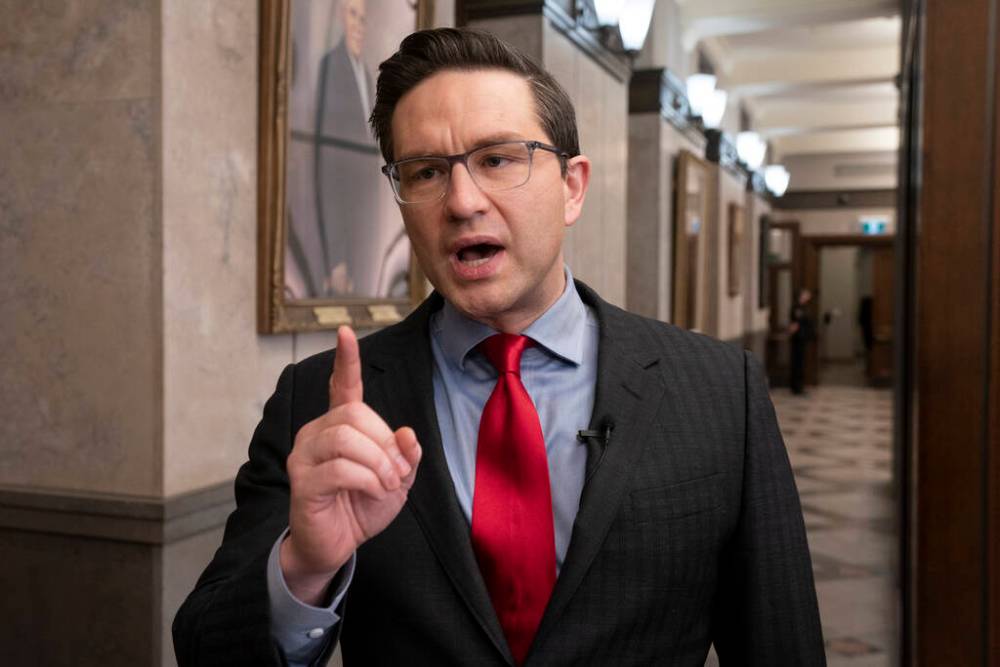
Poilievre hails from the right-wing, libertarian camp within the Conservative Party. He is a strong performer in question period and effectively holds Liberal ministers accountable. His ability to get under Trudeau’s skin, combined with his rock-ribbed conservative views, has gained him the favour of much of the party base.
In addition to support among the party’s activists, Poilievre commands at least partial loyalty from the CPC caucus, as his announcement was followed by an impressive display of support from members that seemed designed to intimidate other quality candidates and dissuade them from declaring.
But Poilievre lacks a common touch. While he may be the greatest thing since sliced bread to CPC members, it’s unclear whether he can appeal to Canadians in a general election. And his decision to enthusiastically align himself with the truckers and other convoy protesters who decamped and hot-tubbed on the streets of Ottawa last month betrays an eyebrow-raising degree of recklessness.
One reason for the lack of interest in the leadership race is Poilievre’s perceived strength. No one wants to run as a sacrificial lamb against a seemingly unbeatable candidate. Despite this, former Quebec premier and Progressive Conservative Party leader Jean Charest now seems poised to run.
Like Poilievre, Charest has both strengths and weaknesses. He is a successful, experienced and wily politician with enormous name recognition. As leader, he would make the CPC a serious competitor in vote-rich Quebec. But on the other hand, his progressive credentials and history will not enamor him to most CPC members.
There are two reasons in particular to pay attention to Charest. First, leadership contests are less about clashes of ideas than they are contests of organizational skill. There is no questioning Poilievre’s organizational bona fides. But Charest can organize, twist arms and call in old favours like no one else.
Second, news of his impending candidacy drew reports that former prime minister Stephen Harper “wouldn’t sit idly by” while Charest took over his party. Harper’s former staffer, Jenni Byrne, set about attacking Charest. While not exactly good news for Charest, these responses suggest his candidacy is being taken seriously and is rattling CPC cages.
Charest will find it very difficult to win if he is presented as the centrist alternative to Poilievre’s right-wing candidacy. The party is no longer your grandfather’s Progressive Conservative Party, and members are unlikely to accept a moderate compromise candidate.
The CPC’s base of power is both to the right of centre and the west of centre, and no leadership candidate can hope to win when running against those new realities.
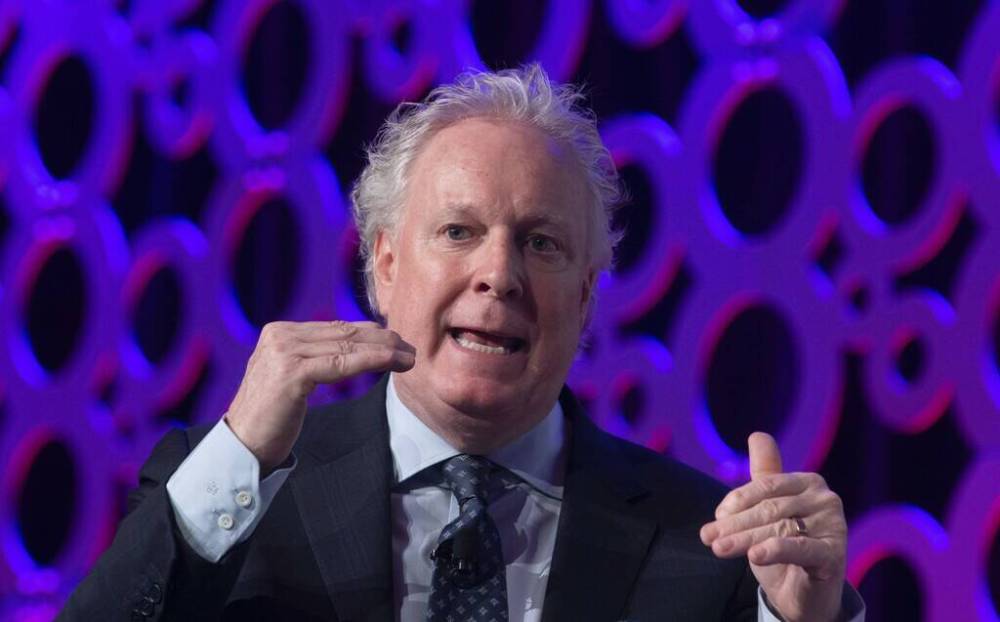
Charest may, however, be able to use his political talents to adapt. To do so, he must find a way to transcend simple left/right ideological differences and wrap himself in the culture of the party.

It might involve tapping into Poilievre’s base of freedom-loving libertarians — indeed, in recent media interviews, Charest has been surprisingly critical of provincial governments’ COVID-19 restrictions. Or Charest may appeal to social conservatives with a strongly pro-family platform that emphasizes his former government’s achievements in this area.
This might also mean embracing issues beloved by the party’s base in western Canada without chasing away too many potential supporters elsewhere. If he is to have the slightest hope of winning, Charest must convince CPC members that, like fellow Quebecer Brian Mulroney almost 40 years ago, he both understands and sympathizes with the concerns of western Canadians but, unlike Mulroney, he will not turn his back the instant those concerns come into conflict with the interests of Quebec.
No one doubts Poilievre’s conservative credentials, but they might have some legitimate concerns about his ability to win elections in Canada. Charest has the opposite problem: there is no doubt he can win elections, but there is a great deal of legitimate concern over whether he is a true conservative.
But if Charest can find a way to connect to the party’s base, then those members might just be willing to take a chance for the sake of bringing Trudeau’s time as prime minister to an abrupt end.
Royce Koop is a professor of political studies at the University of Manitoba and academic director of the Centre for Social Science Research and Policy.