

Living with dignity is preferable
Advertisement
Read this article for free:
or
Already have an account? Log in here »
To continue reading, please subscribe:

Digital Subscription
One year of digital access for only $205*
- Enjoy unlimited reading on winnipegfreepress.com
- Read the E-Edition, our digital replica newspaper
- Access News Break, our award-winning app
- Play interactive puzzles
*First annual payment billed as $205.00 + GST for one year. This annual subscription will automatically renew at $233.00 + GST every 52 weeks (10% off the regular annual price of $259.35). Offer available to new and qualified returning subscribers only. Cancel any time.
To continue reading, please subscribe:
Add Free Press access to your Brandon Sun subscription for only an additional
$1 for the first 4 weeks*
- Enjoy unlimited reading on winnipegfreepress.com
- Read the E-Edition, our digital replica newspaper
- Access News Break, our award-winning app
- Play interactive puzzles
*Your next Brandon Sun subscription payment will increase by $1.00 and you will be charged $17.95 plus GST for four weeks. After four weeks, your payment will increase to $24.95 plus GST every four weeks.
Read unlimited articles for free today:
or
Already have an account? Log in here »
Hey there, time traveller!
This article was published 05/03/2021 (2037 days ago), so information in it may no longer be current.
New York Times columnist Elizabeth Bruenig, in a moving and personal column on coming to terms with her epilepsy, tells the story of her daughter inquiring about why chopping onions burns her eyes. This is how onions protect themselves, Bruenig explained. “Every living thing wants most of all to live.”
This view does not appear to be shared by the current federal government, which has recently passed amendments to its medical assistance in dying (MAiD) program that will substantially increase the number of Canadians eligible for MAiD.
Since 2016, Canadians have had access to MAiD, but only when their conditions were “serious and incurable” and death was “reasonably foreseeable.” These provisions were safeguards designed to limit access to people with terminal illness, rather than expanding this right to all Canadians struggling with illness or disability.
This was a conscious, reasonable and thoughtful compromise reached by our elected officials. It assured us that Canadians could “die with dignity,” which was the rallying cry of pro-euthanasia activists for decades, while also addressing ethical concerns about expanding access too far.
Despite this, in 2019, the Quebec Superior Court found that this requirement for MAiD was discriminatory against people who wished to end their own lives but who were not facing imminent death. Using the court’s ruling as justification, the Trudeau government introduced Bill C-7, which removed this requirement for MAiD.
One can hardly imagine a better example of judicial activism, the tendency of judges to engage in writing rather than simply adjudicating laws. The government of the day addressed a contentious moral issue thoughtfully and, in so doing, struck a reasonable compromise by limiting access to MAiD. Quebec’s unelected and unaccountable judges used the hammer of judicial nullification to strike this compromise down.
Further, there was no need for the government to have responded to the ruling so slavishly or with such haste. But they did, and the government was strikingly resistant to critiques. This is surprising, in part because criticisms of C-7 came from a range of stakeholders on both the left and the right. It’s rare to see some of the opponents of C-7 come together to agree on anything.
The most compelling critiques of C-7 have focused on the potential consequences of C-7 for some of the most vulnerable Canadians, those living with disabilities. In short, the proposed amendments present MAiD as an alternative to suffering and a lack of autonomy when there are myriad other options to address these issues for Canadians with disabilities.
The challenge of how to address the suffering of people with disabilities in our communities and allow them to lead lives characterized by dignity is a societal challenge, and one we are simply failing to meet. Canadians with disabilities often survive on meagre benefits and their housing conditions are therefore often poor. The programs that assist and allow them to connect with others are often sized-up for cuts by cost-conscious governments. Disabled Canadians suffer from loneliness more often than other Canadians.
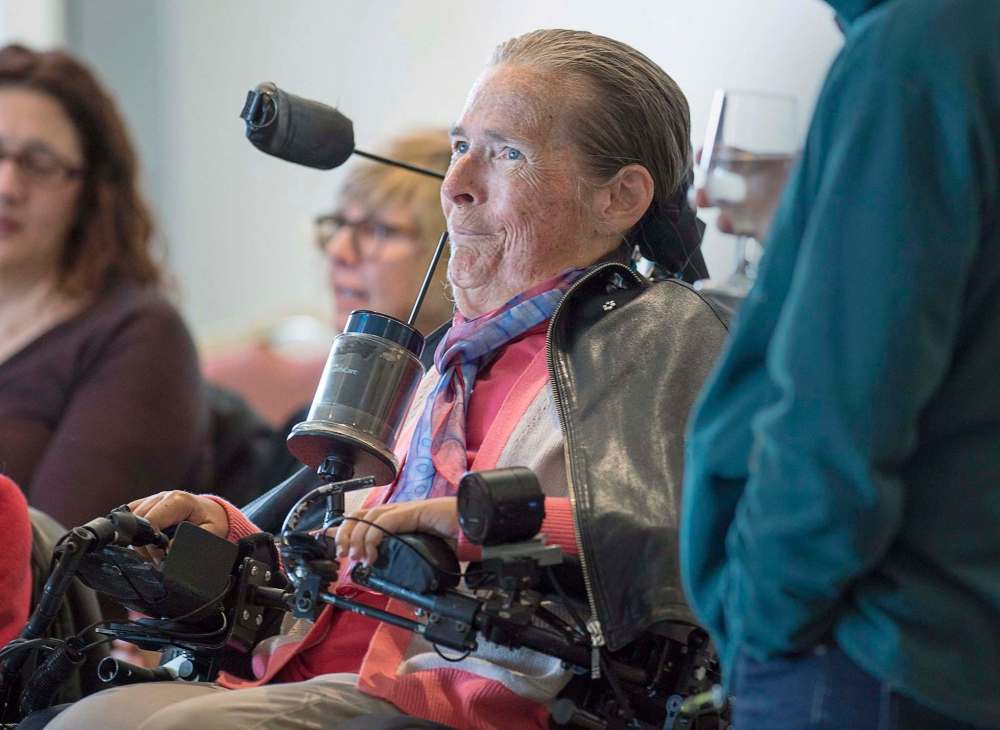
Catherine Frazee, who herself has a disability, summarized this broad concern when she testified before the parliamentary justice committee. “It’s cold comfort to be offered the choice to die when you are not offered the choice to live a dignified life,” Frazee argued. “When you are not offered the basic supports and the basic dignity that we as Canadians would consider minimal for all members of our community.”
This issue was taken up by the UN Human Rights Council’s special rapporteur on the rights of persons with disabilities, Gerald Quinn. Expanding MAiD to those not facing imminent death, Quinn argued, would exercise a chilling influence on Canadians with disabilities by “undermining their autonomy and their capacity to make the right decisions.”

Quinn linked MAiD explicitly to a lack of services and support for Canadians with disabilities, noting the “subtle pressure being brought to bear by, for example, lack of services or lack of community living options.”
This brings us back to Bruenig’s conclusion of her essay on epilepsy: “Every living thing wants most of all to live. And I am no different.” But Bruenig is not talking about life in the strict sense of just breathing. Instead, her observation comes at the end of a long list of the things she is willing to sacrifice sleep for, even if the result is heightened risk of a seizure: staying up late with her sick daughter, watching her children open presents early on Christmas morning, or visiting with old friends who arrive to visit after midnight.
These are, in Bruenig’s words, “the conduits through which love flows into our lives.”
Every living thing wants most of all to live, but Bruenig reminds us that to truly live we humans need dignity, connections and community. To deprive Canadians with disabilities of these while also extending the opportunity to end their suffering via MAiD is cruel.
Royce Koop is an associate professor in the department of political studies and co-ordinator of the Canadian studies program at the University of Manitoba.