

MJHL walks the walk when it comes to diversity, inclusion

Advertisement
Read this article for free:
or
Already have an account? Log in here »
To continue reading, please subscribe:

Digital Subscription
One year of digital access for only $205*
- Enjoy unlimited reading on winnipegfreepress.com
- Read the E-Edition, our digital replica newspaper
- Access News Break, our award-winning app
- Play interactive puzzles
*First annual payment billed as $205.00 + GST for one year. This annual subscription will automatically renew at $233.00 + GST every 52 weeks (10% off the regular annual price of $259.35). Offer available to new and qualified returning subscribers only. Cancel any time.
To continue reading, please subscribe:
Add Free Press access to your Brandon Sun subscription for only an additional
$1 for the first 4 weeks*
- Enjoy unlimited reading on winnipegfreepress.com
- Read the E-Edition, our digital replica newspaper
- Access News Break, our award-winning app
- Play interactive puzzles
*Your next Brandon Sun subscription payment will increase by $1.00 and you will be charged $17.95 plus GST for four weeks. After four weeks, your payment will increase to $24.95 plus GST every four weeks.
Read unlimited articles for free today:
or
Already have an account? Log in here »
Hey there, time traveller!
This article was published 06/09/2022 (1457 days ago), so information in it may no longer be current.
The sports world is filled these days with teams and organizations that talk a good game when it comes to important issues such as diversity, inclusion and tackling a toxic culture. But beyond a few social media posts and an empty gesture or two, there’s often not much bite to their bark.
It’s more about scoring public relations points than effecting any real change.
Which is why it’s so refreshing to see the Manitoba Junior Hockey League actually walking the walk. Brock McGillis, the first professional hockey player to come out as gay and one of Canada’s most-respected voices in the LGBTTQ+ space, is being brought in to lead a mandatory online seminar later this month on several topics that have long been viewed as taboo within a locker room.
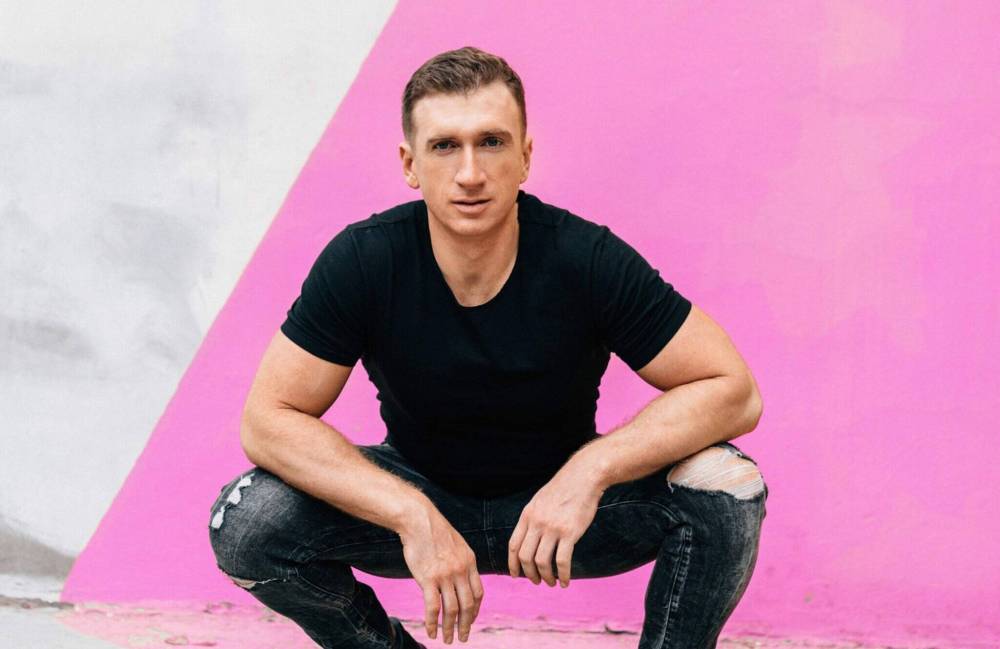
SUPPLIED
Brock McGillis came out publicy in 2016, and now uses his prominent platform to try and make the game a better, safer place for countless others who are now in similar situations.
His audience on Sept. 19 will include nearly 300 young players from all 13 teams in the Junior A loop, which is the largest he’s had in hockey in his six years as an activist and public speaker.
“I know that there will be an impact,” McGillis told me Tuesday in a telephone chat from his Ontario home. “So that’s pretty exciting. I’m really pumped to be doing that. I think it’s really, really cool.”
McGillis, 38, has a powerful story to share, one he kept private during his minor hockey days, through his time in the Ontario Hockey League, the United Hockey League, a stop overseas in Denmark and finally Concordia University through 2011. He came out publicy in 2016, and now uses his prominent platform to try and make the game a better, safer place for countless others who are now in similar situations.
“I want them to recognize that they all use language that’s impacting people and use my story as a vessel to show them the impact of that type of language,” McGillis said of the general theme of his presentation. “As a masculine-presenting hockey bro who was gay, if I was self-harming and suicidal and everything else from language, just from language I heard unnecessarily directed at me, how are other people feeling and how are the people in these kids’ lives impacted who are a part of the LGBTTQ+ community?”
McGillis said the impressionable young men who make up leagues such as the MJHL “arguably have some of the most influence in hockey culture.” Which is why having discussions such as this, uncomfortable as it may be for some, is so crucial. He says they all have the ability to be “shift makers.”
“These kids are like Instagram influencers or YouTubers, so they have some level of notoriety or visibility or fame,” he said. “But they are your neighbour. They are going to parties with their peers or in school with their peers. They go to minor hockey practices. They are out in the community. So the way they talk, the way they walk, the way they dress, the way they act is copied by younger kids.”
McGillis recalls a prime example from years ago, when he was involved in skill development at an Ontario camp for teenagers. He heard plenty of homophobic slurs which, sadly, have become quite normalized in some quarters. By the end of the week, he saw a form of self-policing start to take place, where players who had previously been ignorant to the harm were now holding teammates to account for their harmful words.
“Being a shift maker doesn’t mean you have to become an LGBTTQ+ activist, but you have to know there has to be right or wrong and be willing and able to stand up,” said McGillis, named by The Hockey News as among the 100 most influential people in the sport in 2022.
MJHL commissioner Kevin Saurette said reaching out McGillis was an important step in ongoing efforts to ensure they’re not just pumping out talented hockey players, but also quality human beings.
“It was our No. 1 priority to get it locked up for this season,” he said. “We’ve tried to put a real focus on player education and especially around inclusion. And I think the start of that was when we implemented our anti-racism and cultural sensitivity training last season. For the players and our staff, it’s going to be an amazing educational opportunity to have Brock with his background. It’s easy for me to just to talk to the players or send memos, but I think it means a lot more to have someone like Brock who’s an expert to touch on these topics and brings a realism to the conversation.
“It is frustrating at times when you just see a social media post and it’s just a quote and then it’s forgotten. Where this is tangible and this is really putting are taking a step forward and putting our money where our mouth is.”
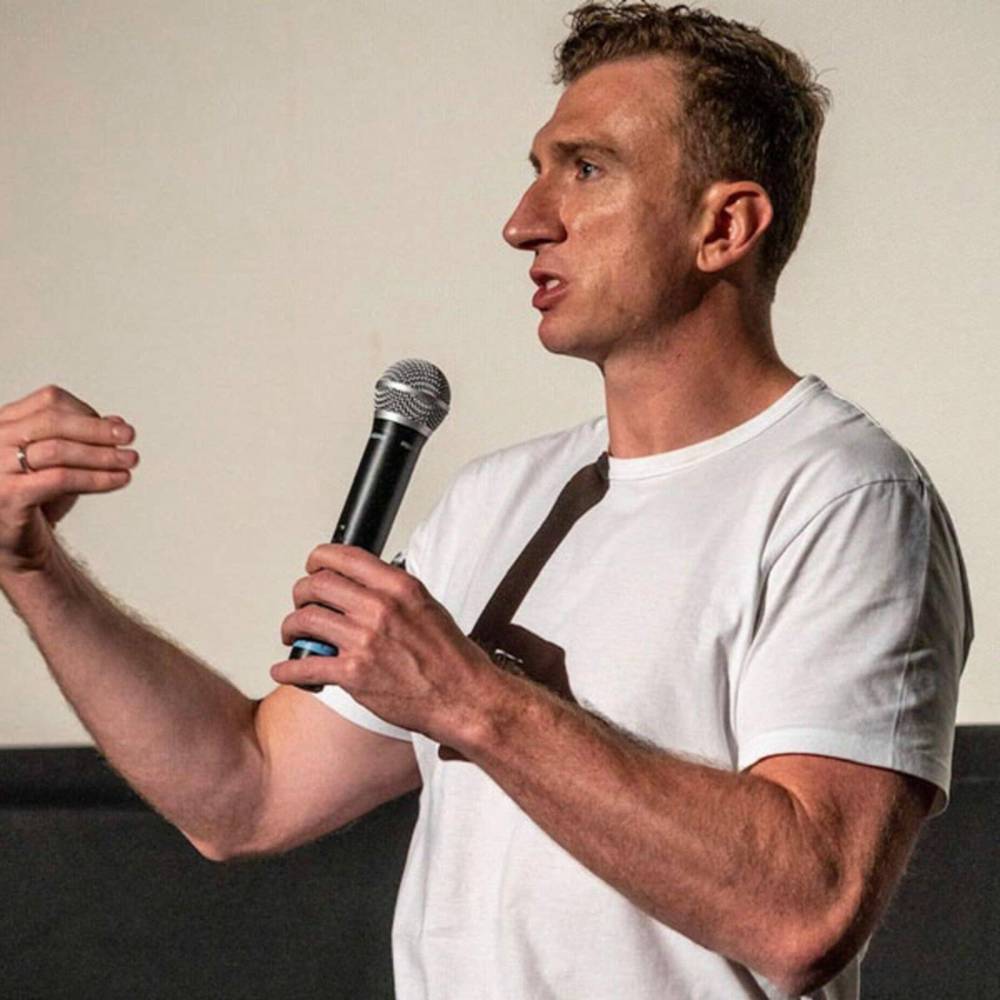
SUPPLIED
Brock McGillis, the first professional hockey player to come out as gay.
Hockey is the ultimate team sport, with an “all for one, one for all” mentality. But that kind of messaging can make it difficult to feel comfortable being your true self, which is why McGillis focuses on individuality and celebrating nonconformity.
“The culture is in need of an overhaul,” said McGillis. “By going in and hopefully humanizing issues, have people recognize the impact and influence beyond hockey culture, but on society, the community they’re in, at that point we’ll start to see shifts in the culture of hockey and hopefully in different communities that are influenced by hockey.”

McGillis said he’s always wary about being used for PR, and he’s turned down such transparent requests in the past. But having the ability to speak with a large group of athletes with no strings attached, which will be the case later this month in Manitoba, is the real deal in his eyes.
“I know it’ll have some people, hopefully a majority of people, critically analyzing their behaviours and actions,” he said. “To me, it’s about shifting the culture, shifting attitudes, behaviours, language, and having people be celebrated for who they are. Beyond everything else, we talk about team and we play for the logo on the front, but in order to truly play for the logo on front, you can’t force people to conform to something they’re not because it’s somebody’s idea of what hockey player is. Accepting each individual who they are is truly playing for the team. It’s truly putting the team first.”
Kudos to the MJHL for showing initiative and sending a strong message that goes well beyond a hollow Twitter or Facebook post. Plenty of others in the sport would be wise to follow suit.
mike.mcintyre@freepress.mb.ca
Twitter: @mikemcintyrewpg
Mike McIntyre is a sports reporter whose primary role is covering the Winnipeg Jets. After graduating from the Creative Communications program at Red River College in 1995, he spent two years gaining experience at the Winnipeg Sun before joining the Free Press in 1997, where he served on the crime and justice beat until 2016. Read more about Mike.
Every piece of reporting Mike produces is reviewed by an editing team before it is posted online or published in print — part of the Free Press‘s tradition, since 1872, of producing reliable independent journalism. Read more about Free Press’s history and mandate, and learn how our newsroom operates.
Our newsroom depends on a growing audience of readers to power our journalism. If you are not a paid reader, please consider becoming a subscriber.
Our newsroom depends on its audience of readers to power our journalism. Thank you for your support.
Mike McIntyre is a sports reporter whose primary role is covering the Winnipeg Jets. After graduating from the Creative Communications program at Red River College in 1995, he spent two years gaining experience at the Winnipeg Sun before joining the Free Press in 1997, where he served on the crime and justice beat until 2016. Read more about Mike.
Every piece of reporting Mike produces is reviewed by an editing team before it is posted online or published in print — part of the Free Press‘s tradition, since 1872, of producing reliable independent journalism. Read more about Free Press’s history and mandate, and learn how our newsroom operates.
Our newsroom depends on a growing audience of readers to power our journalism. If you are not a paid reader, please consider becoming a subscriber.
Our newsroom depends on its audience of readers to power our journalism. Thank you for your support.
Advertisement Advertise With Us
Advertisement Advertise With Us