

A dash of mortality sprinkled among colourful fields of tulips

Advertisement
Read this article for free:
or
Already have an account? Log in here »
To continue reading, please subscribe:

Digital Subscription
One year of digital access for only $205*
- Enjoy unlimited reading on winnipegfreepress.com
- Read the E-Edition, our digital replica newspaper
- Access News Break, our award-winning app
- Play interactive puzzles
*First annual payment billed as $205.00 + GST for one year. This annual subscription will automatically renew at $233.00 + GST every 52 weeks (10% off the regular annual price of $259.35). Offer available to new and qualified returning subscribers only. Cancel any time.
To continue reading, please subscribe:
Add Free Press access to your Brandon Sun subscription for only an additional
$1 for the first 4 weeks*
- Enjoy unlimited reading on winnipegfreepress.com
- Read the E-Edition, our digital replica newspaper
- Access News Break, our award-winning app
- Play interactive puzzles
*Your next Brandon Sun subscription payment will increase by $1.00 and you will be charged $17.95 plus GST for four weeks. After four weeks, your payment will increase to $24.95 plus GST every four weeks.
Read unlimited articles for free today:
or
Already have an account? Log in here »
Hey there, time traveller!
This article was published 20/07/2024 (804 days ago), so information in it may no longer be current.
In April, I was fortunate enough to be able to check off a major bucket-list item for me: see the tulips in the Netherlands.
Like wooden clogs, windmills and Miffy, the minimalist white bunny created by Dutch artist/children’s book author Dick Bruna, tulips are deeply embedded in the iconography of the Netherlands. They are not a native species but rather a coveted 17th-century import from the Ottoman Empire that ushered in “tulip mania,” which is now a business phrase to describe large economic bubbles and bursts.
Holland’s Keukenhof gardens (Jen Zoratti / Free Press files)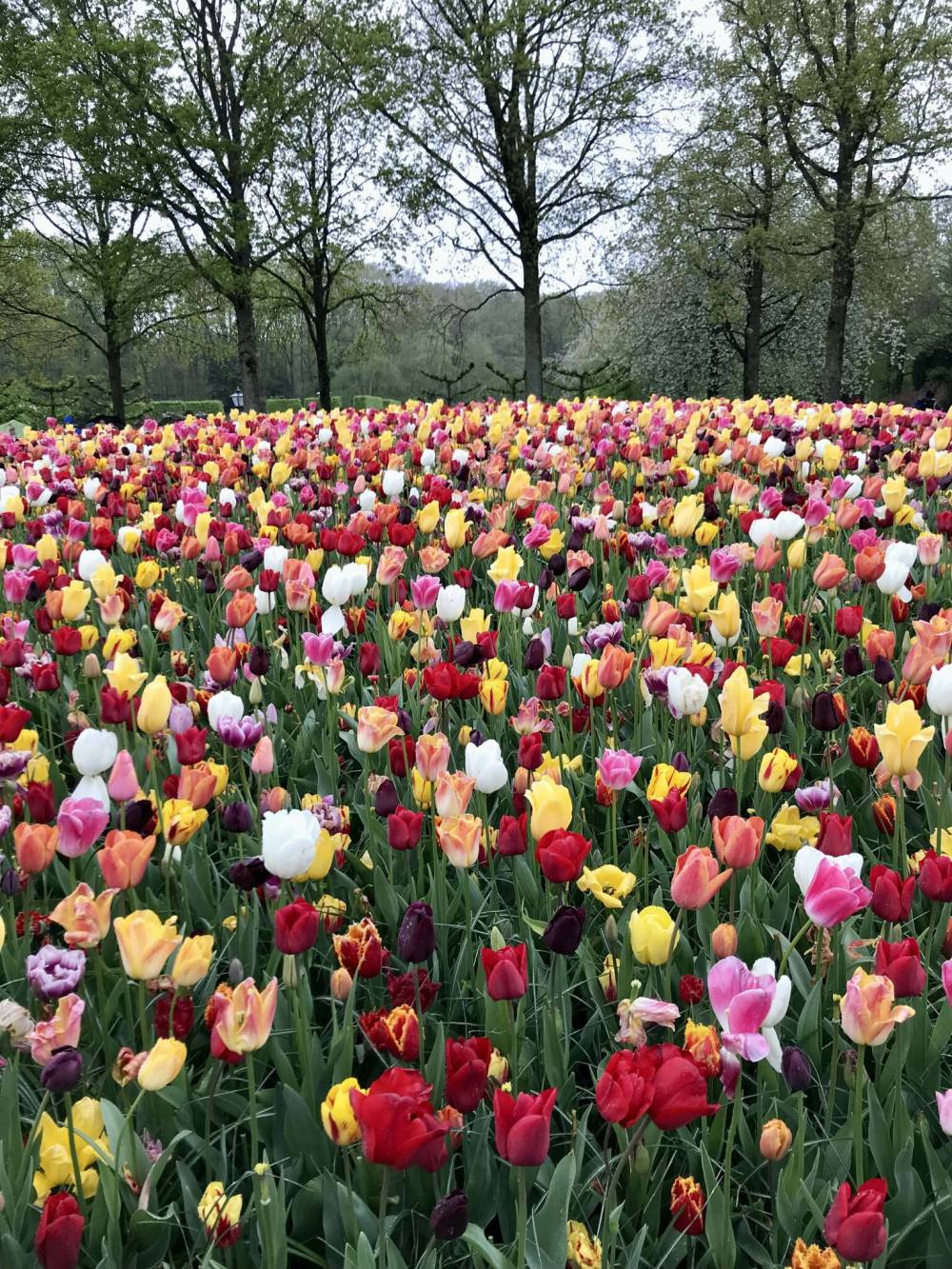
As a spring baby, I have always loved tulips. For me, they symbolize renewal and birth, the beginnings of things.
And so, in mid-April — which is peak tulip season — I made the trip to Keukenhof, one of the largest flower gardens in the world, with one of my oldest friends. It’s about a 35-minute bus ride from Amsterdam and is only open for eight short glorious weeks when the tulips burst into bloom.
Holland’s Keukenhof gardens (Jen Zoratti / Free Press files)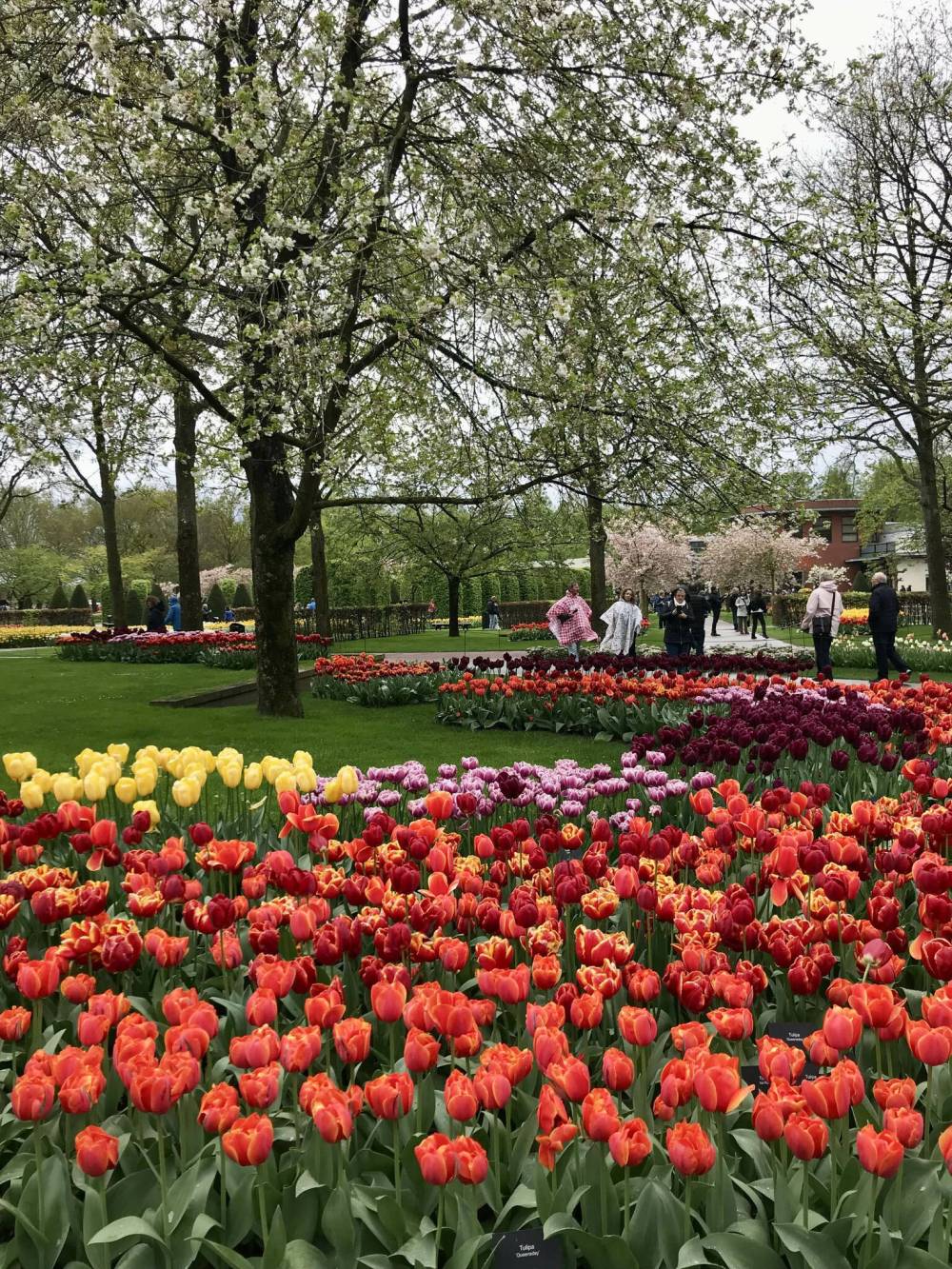
I understand why Dutch people in the 1600s went wild for these flowers. These tulips made me gasp. A riot of colour in more varieties than I knew existed. The outlying tulip fields were so densely saturated that it looked as though giant flags were spread out on the ground.
There was just one issue with my visit: the weather was terrible. Comically, tragically terrible. Constant, pouring rain accompanied by a cold, whipping wind that turned umbrellas inside out.
All of us at the gardens that day were silently commiserating via nods and smiles; we were all in this together.
This wasn’t how I imagined my Keukenhof experience. I imagined wearing an adorable outfit and taking an obnoxious number of photos of myself biking, Dutchly, among the beautiful tulips.
Holland’s Keukenhof gardens (Jen Zoratti / Free Press files)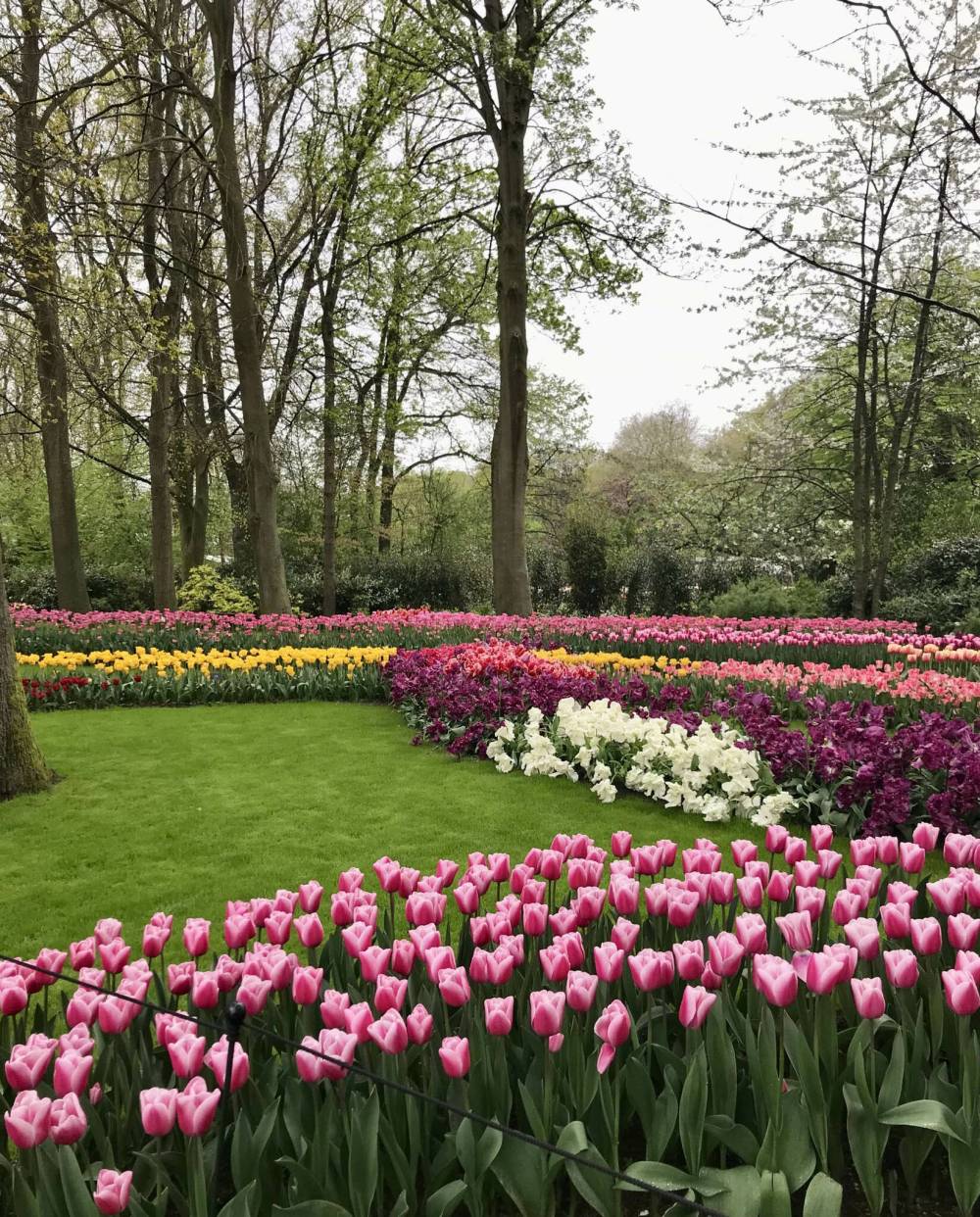
Instead, my mascara was running, my hair was wild, and I was bundled into a shapeless green rain jacket. The final indignity: I tried to take a cute photo posed behind a wheelbarrow and it just looked like I worked there.
This is why I don’t usually go in for bucket lists, especially ones that include items involving expense and travel. I don’t know when — or even if — I’ll ever be back to Keukenhof during those precious few weeks in April. There is a certain “this is it, now or never” quality about these experiences, which puts undue pressure on those experiences to be perfect.
That, and bucket lists also make you think about dying.
The next day, we went to the Rijksmuseum, a national gallery dedicated to Dutch arts and history in Amsterdam. After throwing elbows to get a closer look at Vermeer’s The Milkmaid — which seems to be their Mona Lisa in terms of drawing a crowd — I went to explore some paintings from one of my favourite art movements, Dutch still life.
Look closely at the lush bowls of fruit or the insouciant bouquets of flowers and you’ll notice there’s always a bit of death in a Dutch still life. Decay or rot in the form of wilting petals, moldering citrus peels, or, in the not-so-subtle case of a 1634 painting by Jacob Marrel, a belly-up frog. As a product of the Dutch Golden Age, Marrel specialized in “portraits” of tulips in various stages of bloom and death; he was a fan, too.
Vermeer’s The Milkmaid at the Rijksmuseum in Amsterdam. (Jen Zoratti / Free Press files)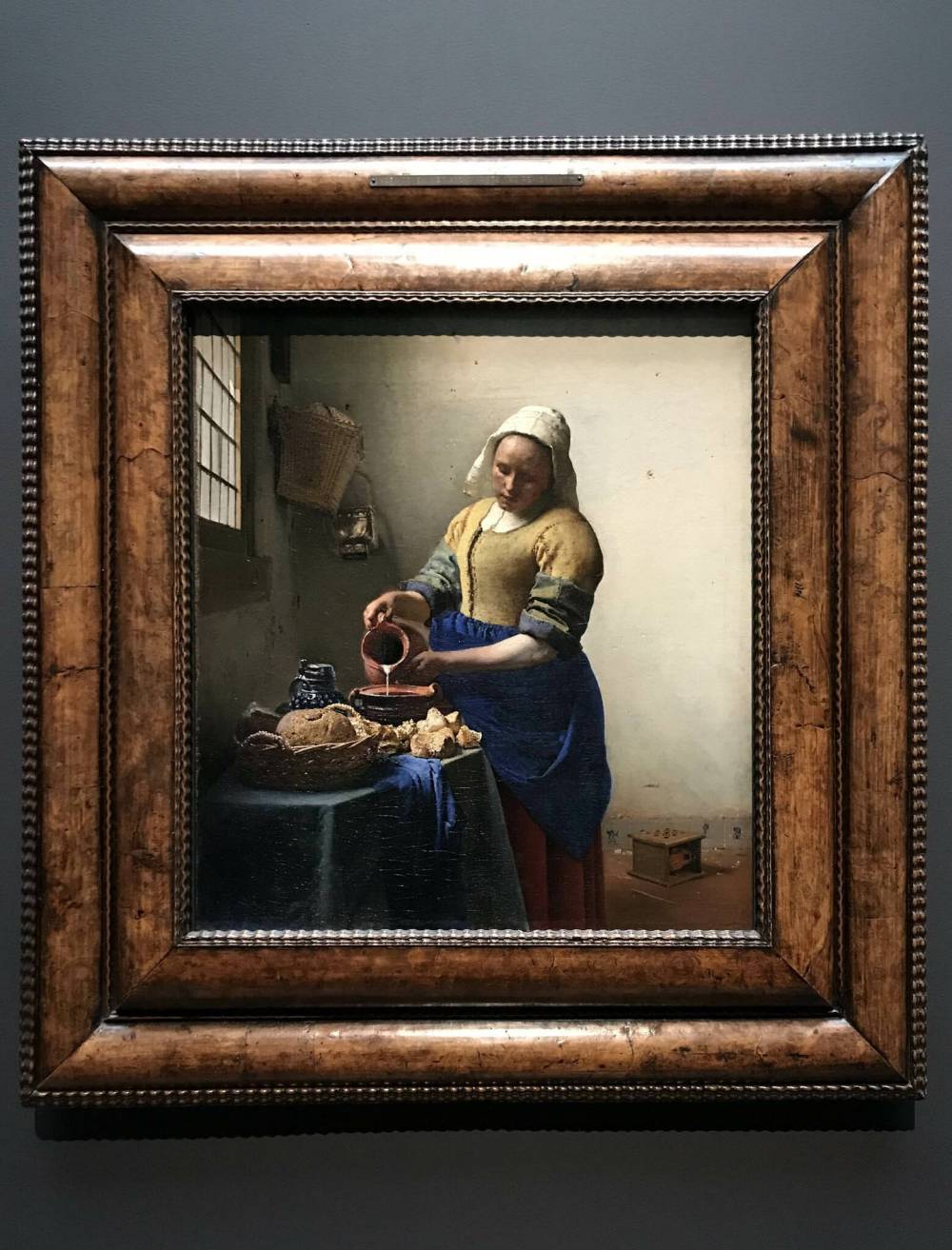
Like the bucket list, the Dutch still lifes will make you consider your own mortality, the impermanence of life and beauty. The tulips will wither and die, and one day so will we. (Incidentally, “the tulips will wither and die, and one day so will we,” sounds like it could be a Dutch expression.)
So, we try to capture these fleeting experiences, these fleeting moments of life and beauty — whether by oil paint or iPhone photo — so we can somehow preserve them, to save them, to make them last a little longer.
Miffy, the minimalist white bunny created by Dutch artist/children’s book author Dick Bruna, dressed as The Milkmaid (Jen Zoratti / Free Press files)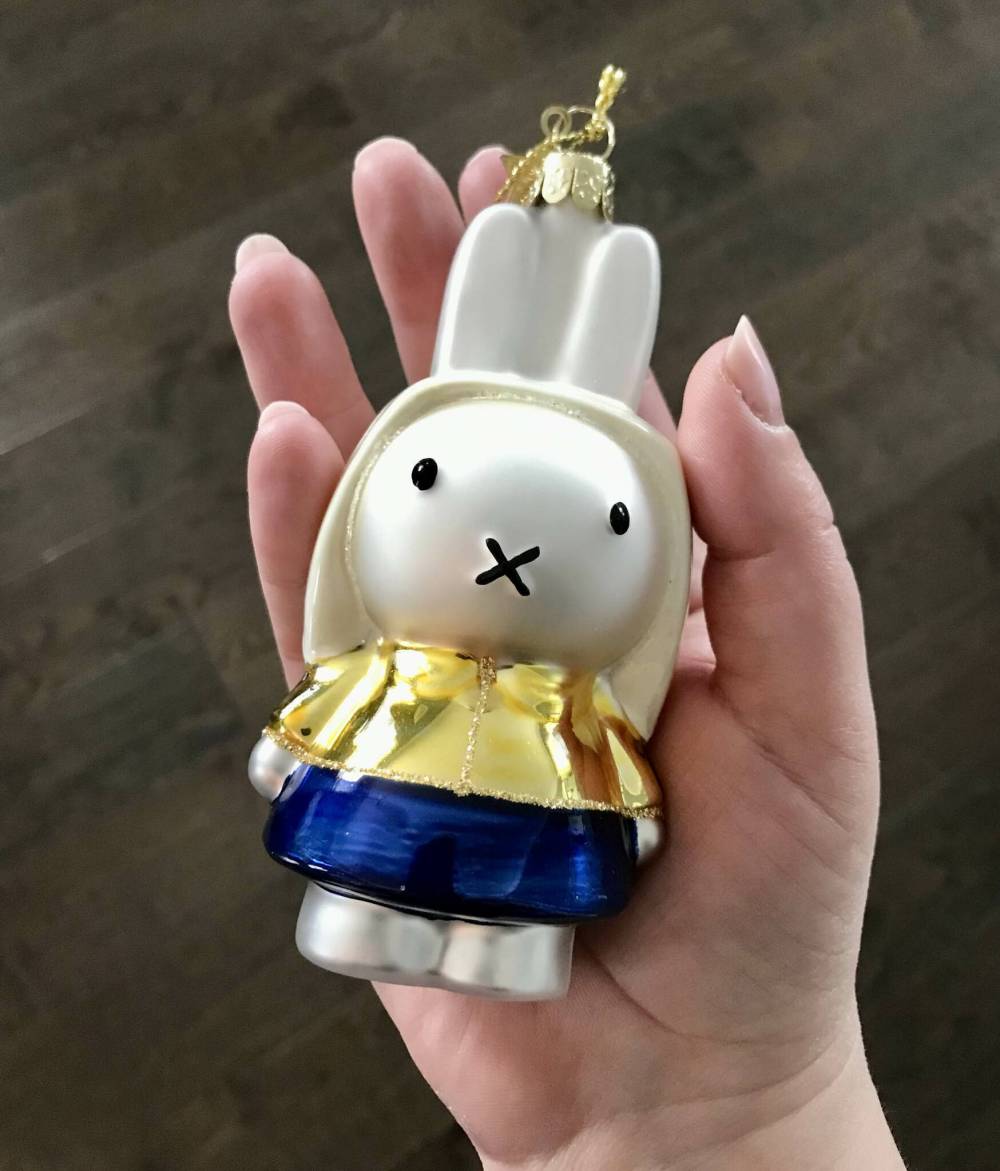
The other thing about life is that sometimes it rains. Sometimes things don’t turn out as you imagined, but they will still be beautiful. As the Dutch man who loaded us sodden tourists onto the bus said of the rain with a shrug, “Oh well. The tulips will be happy.”
And when I look at my many photos of Keukenhof, all I see is an endless expanse of those happy tulips at the peak of their short season, nourished by the rain. All I see is evidence of how glad I was to just be there, in that moment, with one of my oldest friends.
All I see is life.
A previous version of this column originally ran in the newsletter NEXT.
jen.zoratti@winnipegfreepress.com
Jen Zoratti is a columnist and feature writer working in the Arts & Life department, as well as the author of the weekly newsletter NEXT. A National Newspaper Award finalist for arts and entertainment writing, Jen is a graduate of the Creative Communications program at RRC Polytech and was a music writer before joining the Free Press in 2013. Read more about Jen.
Every piece of reporting Jen produces is reviewed by an editing team before it is posted online or published in print – part of the Free Press‘s tradition, since 1872, of producing reliable independent journalism. Read more about Free Press’s history and mandate, and learn how our newsroom operates.
Our newsroom depends on a growing audience of readers to power our journalism. If you are not a paid reader, please consider becoming a subscriber.
Our newsroom depends on its audience of readers to power our journalism. Thank you for your support.
Jen Zoratti is a columnist and feature writer working in the Arts & Life department, as well as the author of the weekly newsletter NEXT. A National Newspaper Award finalist for arts and entertainment writing, Jen is a graduate of the Creative Communications program at RRC Polytech and was a music writer before joining the Free Press in 2013. Read more about Jen.
Every piece of reporting Jen produces is reviewed by an editing team before it is posted online or published in print – part of the Free Press‘s tradition, since 1872, of producing reliable independent journalism. Read more about Free Press’s history and mandate, and learn how our newsroom operates.
Our newsroom depends on a growing audience of readers to power our journalism. If you are not a paid reader, please consider becoming a subscriber.
Our newsroom depends on its audience of readers to power our journalism. Thank you for your support.
Advertisement Advertise With Us
Advertisement Advertise With Us
History
Updated on Monday, July 22, 2024 6:32 AM CDT: Rearranges photos