

Ethics laws must be brought into modern times

Advertisement
Read this article for free:
or
Already have an account? Log in here »
To continue reading, please subscribe:
Monthly Digital Subscription
$1 per week for 24 weeks*
- Enjoy unlimited reading on winnipegfreepress.com
- Read the E-Edition, our digital replica newspaper
- Access News Break, our award-winning app
- Play interactive puzzles
*Billed as $4.00 plus GST every four weeks. After 24 weeks, price increases to the regular rate of $19.95 plus GST every four weeks. Offer available to new and qualified returning subscribers only. Cancel any time.
Monthly Digital Subscription
$4.99/week*
- Enjoy unlimited reading on winnipegfreepress.com
- Read the E-Edition, our digital replica newspaper
- Access News Break, our award-winning app
- Play interactive puzzles
*Billed as $19.95 plus GST every four weeks. Cancel any time.
To continue reading, please subscribe:
Add Free Press access to your Brandon Sun subscription for only an additional
$1 for the first 4 weeks*
*Your next subscription payment will increase by $1.00 and you will be charged $16.99 plus GST for four weeks. After four weeks, your payment will increase to $23.99 plus GST every four weeks.
Read unlimited articles for free today:
or
Already have an account? Log in here »
Hey there, time traveller!
This article was published 24/04/2018 (2879 days ago), so information in it may no longer be current.
This week, the Progressive Conservative government of Manitoba received a collection of thoughtful, practical and potentially effective recommendations on how to modernize and improve conflict of interest legislation.
Now, all it has to do is follow through and pass a law that puts these recommendations into effect.
The report from conflict of interest commissioner Jeff Schnoor, tabled on Tuesday, is really more than any fan of democracy could have hoped for. It contains a total of 84 recommendations that confront the litany of shortcomings in current legislation governing conflicts of interest for MLAs and cabinet ministers, and proposes real-world solutions that would bring Manitoba into the 21st century of ethics laws.
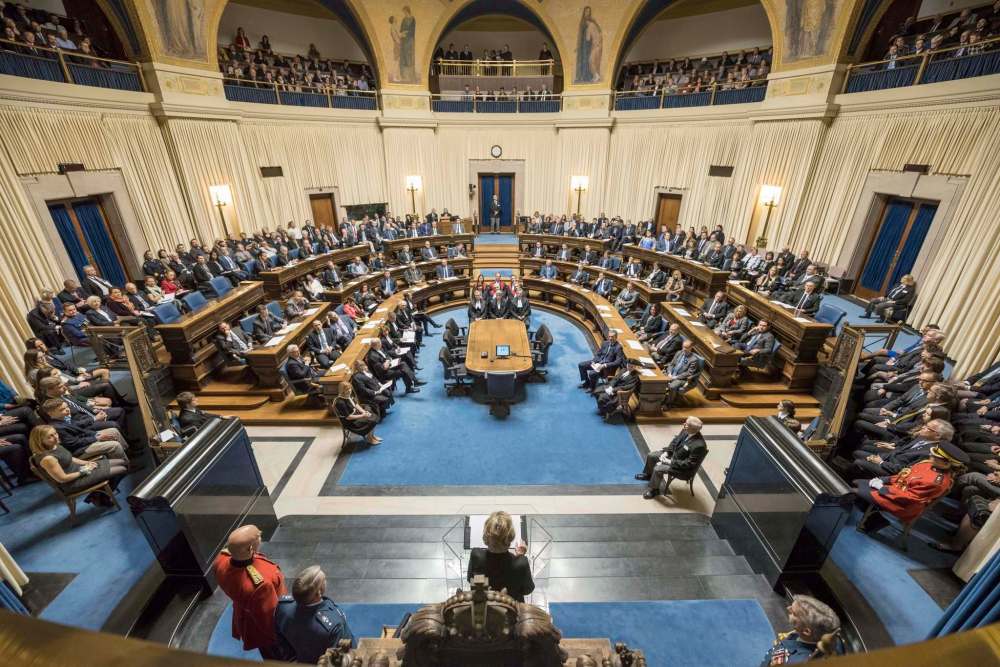
That government asked Schnoor to review existing legislation and make any recommendations he felt necessary following, but likely not directly because of, a series of controversies involving Premier Brian Pallister and his corporate and real estate holdings in Costa Rica. Although there remains a deep difference of opinion between Pallister and opposition critics about exactly what he was obligated to disclose, the war of words that erupted certainly underlined the lack of clarity in current legislation.
In his report, Schnoor did not mince words when he assessed the current state of affairs in Manitoba. “Manitoba’s current conflict of interest legislation,” Schnoor concluded, “is outdated and probably the weakest in Canada.” How exactly did he come to that conclusion? After examining what other provinces were doing, it became clear that there were three key problems with the antiquated laws that govern conflict of interest guidelines for members of the legislative assembly.
First, the definitions in current legislation of conflict of interest, and the scenarios under which an MLA or cabinet minister could be in conflict, and what things they should and should not disclose to the public, are extremely limited and outdated. In short, they simply don’t anticipate the full range of situations and issues that confront elected officials today.
Second, the current legislation provides no real place for people to lodge their complaints. As it stands, someone concerned about a conflict of interest must go to the Court of Queen’s Bench, pay to file their complaint, and then represent themselves in a court proceeding. It’s so expensive and time-consuming that it effectively frustrates anyone from pursuing a conflict allegation.
Last, the penalties for violation of current laws are too limited and, in many instances, too severe to be practical. Elected officials found guilty of a conflict of interest must vacate their seats. In many instances, the severity of that remedy has, in and of itself, discouraged both citizens and the courts from prosecuting conflicts of interest to the full extent of the law.
These shortcomings are not only a problem at the provincial level; the conflict of interest legislation governing municipal elected officials is a mirror image of the provincial law. As such, it has created just as many failed opportunities to police the transgressions of elected officials.
That was certainly the case in 2013 when former mayor Sam Katz used city money to pay for a staff Christmas party at a restaurant he co-owned. A Court of Queen’s Bench judge decided not to find Katz guilty of a conflict of interest — despite finding him guilty of “bad political and ethical behaviour” — largely because the penalty available under the law, removal from office, was excessive.
Schnoor’s proposed regime addresses all these issues by modernizing the definitions of conflicts of interest.
He also proposes a wider range of punishment that includes everything from a public apology to restitution, a fine, suspension or — in those instances where the nuclear option is appropriate — forcing someone to give up their seats.
Schnoor also correctly positions his office as the appropriate body to investigate and report on allegations of conflict of interest.
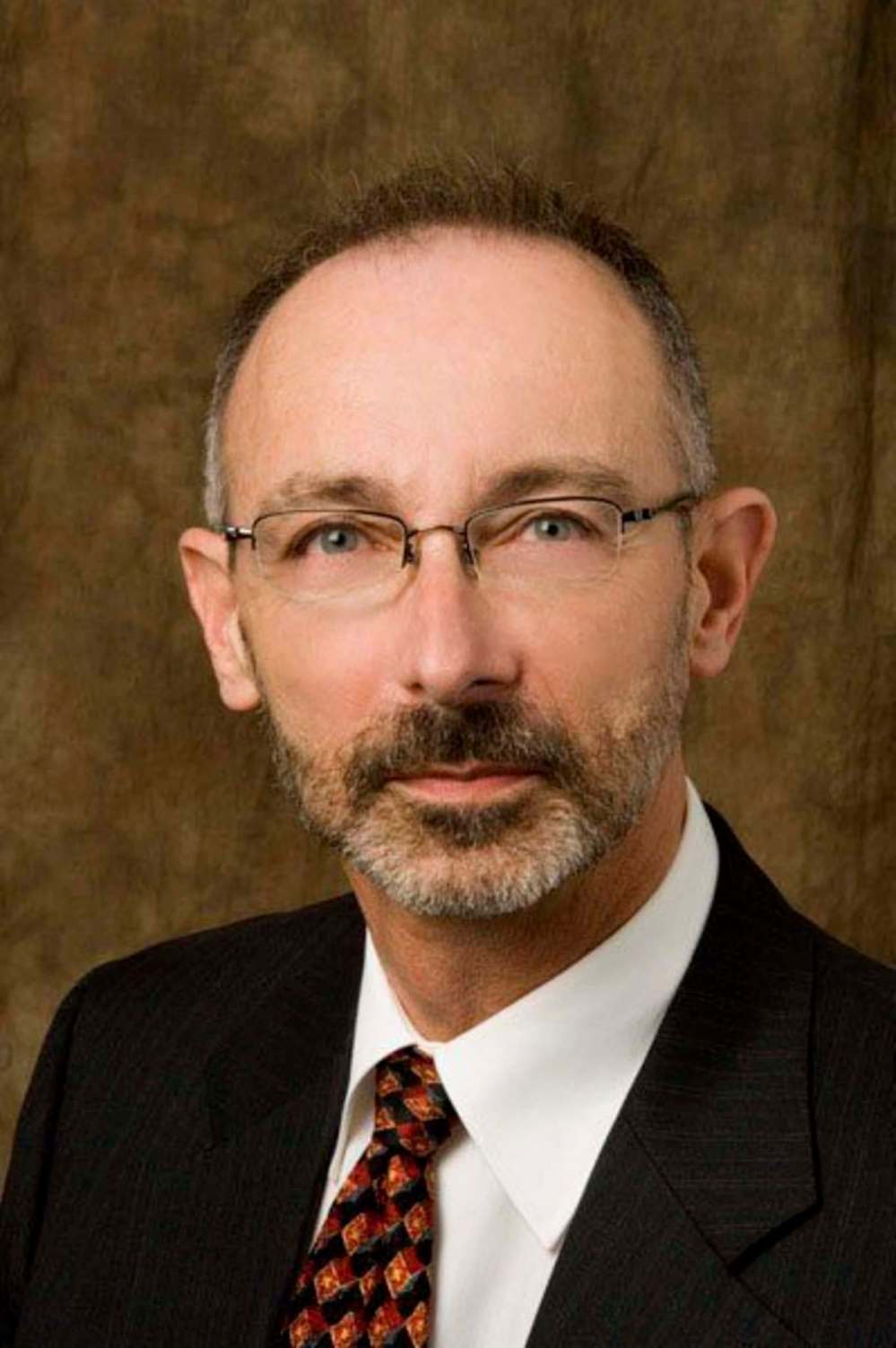
Currently, Manitoba is the only province in Canada that does not allow its conflict of interest commissioner to receive and investigate individual allegations. Under the proposals, Schnoor’s office would vet all complaints and then would be given full legal authority to compel evidence and testimony in an investigation. The results of any investigation would then be reported to the legislature, rather than directly to government.

The regime that Schnoor has imagined is, at the very least, the foundation for the system that Manitoba desperately needs. Despite that, the Tory government’s response to his report was a bit underwhelming. It will be referred to an all-party committee for study and comments, a scenario that should be some cause for concern as politicians rarely do a good job of forging ethical rules and guidelines for politicians.
If the Pallister government is smart about its next move, it will express broad, general support for the Schnoor proposals. And, if there is true justice in this world, the premier will consider extending the reforms Schnoor has proposed to amend and modernize the Municipal Officials Conflict of Interest Act. Given its similarities to provincial legislation, the need for reform is just as great.
It will take some time to realize the conflict commissioner’s vision, and there will have to be some difficult discussions around resources; the new conflict of interest regime as proposed will require resources to vet and investigate complaints in a timely fashion. When it comes time to draft legislation, the government will have to put a wee bit of its money where its mouth is if it wants to convince anyone it really cares about this issue.
The blueprint for a more effective conflict of interest regime is now within the current government’s grasp. The citizenry should settle for nothing less than a full-throated endorsement followed up by a swift plan of action.
dan.lett@freepress.mb.ca
Dan Lett is a columnist for the Free Press, providing opinion and commentary on politics in Winnipeg and beyond. Born and raised in Toronto, Dan joined the Free Press in 1986. Read more about Dan.
Dan’s columns are built on facts and reactions, but offer his personal views through arguments and analysis. The Free Press’ editing team reviews Dan’s columns before they are posted online or published in print — part of the our tradition, since 1872, of producing reliable independent journalism. Read more about Free Press’s history and mandate, and learn how our newsroom operates.
Our newsroom depends on a growing audience of readers to power our journalism. If you are not a paid reader, please consider becoming a subscriber.
Our newsroom depends on its audience of readers to power our journalism. Thank you for your support.
Dan Lett is a columnist for the Free Press, providing opinion and commentary on politics in Winnipeg and beyond. Born and raised in Toronto, Dan joined the Free Press in 1986. Read more about Dan.
Dan’s columns are built on facts and reactions, but offer his personal views through arguments and analysis. The Free Press’ editing team reviews Dan’s columns before they are posted online or published in print — part of the our tradition, since 1872, of producing reliable independent journalism. Read more about Free Press’s history and mandate, and learn how our newsroom operates.
Our newsroom depends on a growing audience of readers to power our journalism. If you are not a paid reader, please consider becoming a subscriber.
Our newsroom depends on its audience of readers to power our journalism. Thank you for your support.
Advertisement Advertise With Us
Advertisement Advertise With Us