

Housing First a good start
Advertisement
Read this article for free:
or
Already have an account? Log in here »
To continue reading, please subscribe:
Digital Subscription
One year of digital access for only $75*
- Enjoy unlimited reading on winnipegfreepress.com
- Read the E-Edition, our digital replica newspaper
- Access News Break, our award-winning app
- Play interactive puzzles
*Billed as $5.77 plus GST every four weeks. After 52 weeks, price increases to the regular rate of $19.95 plus GST every four weeks. Offer available to new and qualified returning subscribers only. Cancel any time.
Monthly Digital Subscription
$4.99/week*
- Enjoy unlimited reading on winnipegfreepress.com
- Read the E-Edition, our digital replica newspaper
- Access News Break, our award-winning app
- Play interactive puzzles
*Billed as $19.95 plus GST every four weeks. Cancel any time.
To continue reading, please subscribe:
Add Free Press access to your Brandon Sun subscription for only an additional
$1 for the first 4 weeks*
- Enjoy unlimited reading on winnipegfreepress.com
- Read the E-Edition, our digital replica newspaper
- Access News Break, our award-winning app
- Play interactive puzzles
*Your next Brandon Sun subscription payment will increase by $1.00 and you will be charged $17.95 plus GST for four weeks. After four weeks, your payment will increase to $24.95 plus GST every four weeks.
Read unlimited articles for free today:
or
Already have an account? Log in here »
Hey there, time traveller!
This article was published 25/09/2012 (4987 days ago), so information in it may no longer be current.
Winnipeg Transit driver Kris Doubledee hopes his decision to give his shoes to a homeless (and shoeless) man will spark a wave of compassion and altruism for those less fortunate.
The most important act of kindness, however, is an adjustment in attitudes about street people. The anonymous man who received Mr. Doubledee’s shoes, for example, was undoubtedly grateful for the gift, but what he and others like him really need is a safe place to rest their feet, a place called home.
The latest report by the Mental Health Commission on homelessness in Canada provides evidence that appears to confirm a few basic facts that could be the building blocks for a new approach to helping the poor and the destitute.
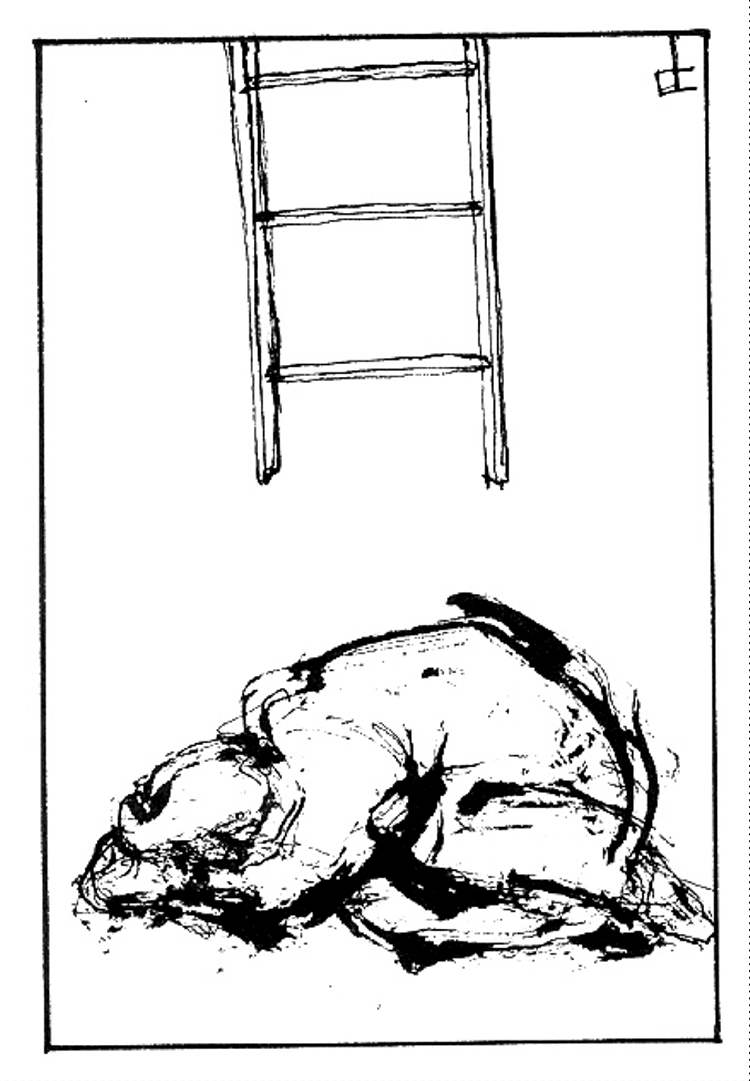
The homeless are not there because they are lazy and indolent, or because they like living under a cardboard box in the winter, lining up for a free meal twice a day at a soup kitchen, and dodging their responsibility to the tax man.
Some homeless people may seem to prefer the care-free lifestyle, but almost all of them are suffering from mental health or addiction problems. No healthy person would choose the hardships homeless people face in Winnipeg. That doesn’t necessarily include, of course, the couch surfers who are without a home of their own but have not been forced to keep warm by starting a fire on the riverbank, or sleeping next to an industrial heat exhaust.
Three years ago, the Mental Health Commission launched a so-called Housing First experiment to determine if better outcomes could be achieved by providing homeless people a place to live along with special supports to maximize their chances for success. They received an apartment unit without any conditions or requirement that they get sober first.
About 1,000 people with mental health problems, including roughly 250 in Winnipeg, were found a place to live as part of the five-city national study. An equal number of other homeless people — the control group — were followed as they used the usual assortment of services, including shelters, hospitals and emergency rooms.
More than half the participants suffered from major depression, while one third had psychotic disorders. Some 46 per cent were drug addicts, while 35 per cent were dependent on alcohol. About four per cent were veterans with wartime service for Canada or an ally.
In a report on the first year of the project, the commission reported that 86 per cent of the participants remained in their first or second unit, as of last August. During the first year, the participants spent an average of 73 per cent of their time in stable housing, compared to just 30 per cent in the control group.

The retention rate seems remarkable, but it is consistent with the findings of similar programs in other countries. The unavoidable fact is that it is too difficult, if not impossible, for people with serious mental health issues to get the help they need if they are forced to battle for survival on the hardscrabble streets of major cities.
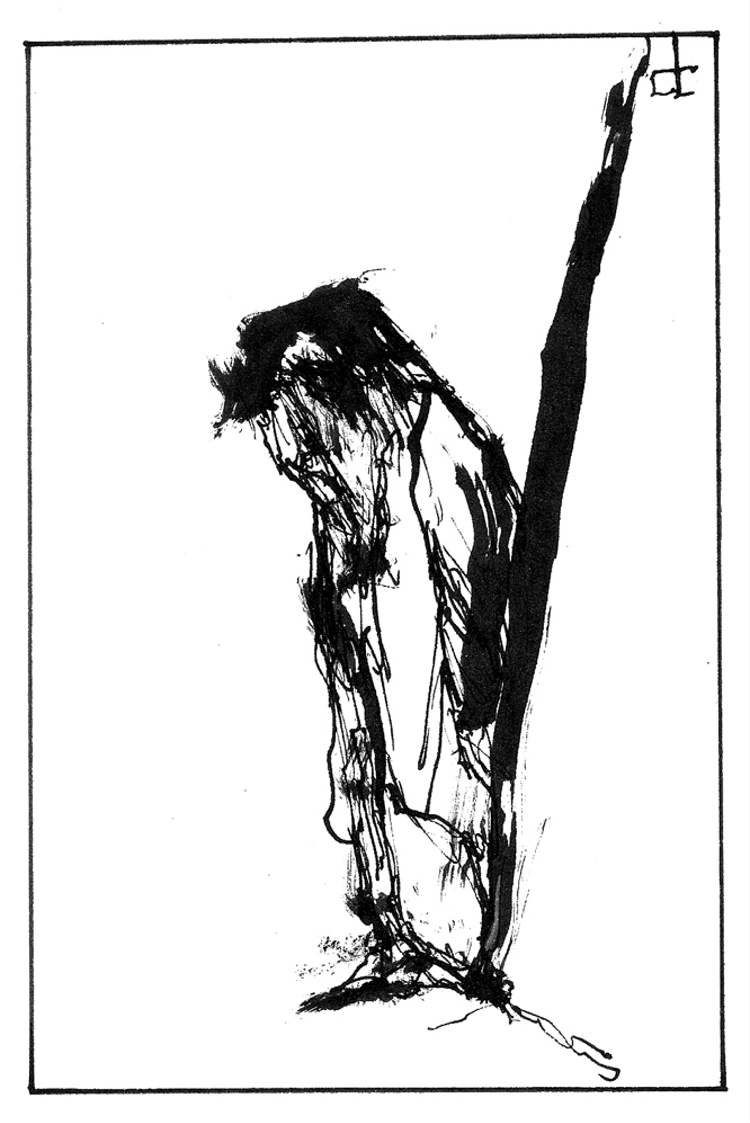
The prevailing wisdom has been that there’s no point offering anything more than a warm meal and a cot to an alcoholic or drug addict, but the evidence so far seems to show most human beings will respond to humane treatment.
Simple economics offers another reason for supporting the Housing First strategy. The study found that Housing First saved the system significant sums — nearly $10,000 a year per person for high-needs individuals.
The first Winnipeg participants went into their new homes in 2009, so the long-term benefits have yet to be shown. But diverting troubled people from emergency wards, jails and police intervention will generate savings for the taxpayers, and produce intangible benefits, such as boosting safety in the downtown and improving the city’s image.
It’s time for a new attitude that portrays the downtrodden as victims, rather than perpetrators. Housing First, in fact, might be called the ultimate act of kindness.
Related Articles
How to solve homelessness? Help them find a home
Advertisement Advertise With Us
Advertisement Advertise With Us