

Police board has clout
Advertisement
Read this article for free:
or
Already have an account? Log in here »
To continue reading, please subscribe:

Digital Subscription
One year of digital access for only $205*
- Enjoy unlimited reading on winnipegfreepress.com
- Read the E-Edition, our digital replica newspaper
- Access News Break, our award-winning app
- Play interactive puzzles
*First annual payment billed as $205.00 + GST for one year. This annual subscription will automatically renew at $233.00 + GST every 52 weeks (10% off the regular annual price of $259.35). Offer available to new and qualified returning subscribers only. Cancel any time.
To continue reading, please subscribe:
Add Free Press access to your Brandon Sun subscription for only an additional
$1 for the first 4 weeks*
- Enjoy unlimited reading on winnipegfreepress.com
- Read the E-Edition, our digital replica newspaper
- Access News Break, our award-winning app
- Play interactive puzzles
*Your next Brandon Sun subscription payment will increase by $1.00 and you will be charged $17.95 plus GST for four weeks. After four weeks, your payment will increase to $24.95 plus GST every four weeks.
Read unlimited articles for free today:
or
Already have an account? Log in here »
Hey there, time traveller!
This article was published 24/07/2014 (4385 days ago), so information in it may no longer be current.
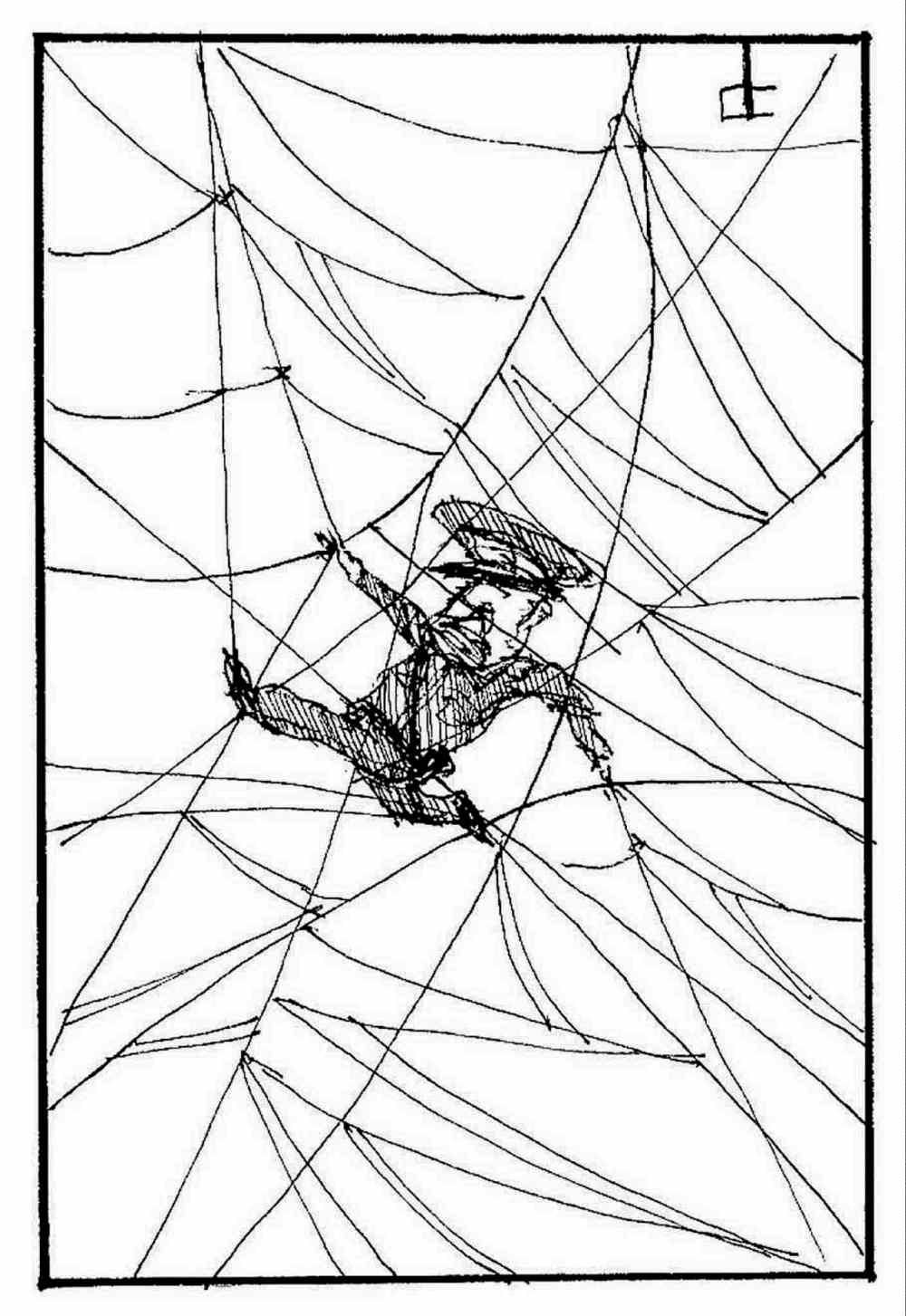
The Winnipeg Police Service and the City of Winnipeg seem to have trouble with the idea their powers have been clipped by provincial legislation that created a new police oversight body.
It was only a matter of time before a turf war erupted, particularly since parts of the legislation that created the Winnipeg Police Board are somewhat ambiguous, but there is no doubt about the intent of the Police Services Act.
The Winnipeg Police Board was set up a year ago to provide real oversight and direction to the city’s police service. The board and other changes were introduced following a damning inquiry into the 2005 death of Crystal Taman — killed when an off-duty police officer crashed into her car.
The inquiry raised questions about the ability of police to investigate themselves and showed the need for an independent body to provide direction and hold the force accountable.
Until now, Winnipeg was the only major city in Canada without a police board.
At a meeting Tuesday, however, the board said city council acted outside its jurisdiction when it approved two programs — one to deploy police in schools and another to put cadets on Transit buses. They were then referred to the board as done deals.
The board rightly said it was their responsibility to rule on police programs. Among other things, the legislation says the board will “establish priorities and objectives for the police service” and “ensure that community needs and values are reflected in the policing priorities, objectives, programs and strategies.”
Like all citizens, city councillors are entitled to make recommendations and express their views on police priorities, but it is the board’s job to make final decisions.
The legislation has even changed the city’s role in budgetary matters. In the past, police submitted their needs to city council.
Now, however, the police board is responsible for assisting council in the development of a budget by providing it with an estimate of the costs required to operate the service. Council has final responsibility for establishing the budget, but it is supposed to rely on the board for the information needed to make its decisions.
City council will eventually adapt to the new system as it becomes familiar with the legislation. The police executive, however, seems less willing to bend.
Chief Devon Clunis, for example, says a decision to deploy police in schools and on buses is an operational decision. His deputy chief, Art Stannard, said the two programs were only provided to the board as information. They were both wrong.
Police have the right to manage their forces, but programming is a board prerogative that is to be determined through public consultations. Once the board decides to permit the use of police in schools, police can decide how to manage the directive.

Cathy Palmer, president of the Canadian Association of Police Boards, said it is not unusual for police forces to disagree with their boards over the meaning of operations. Over time, however, the two groups usually learn how to work together, she said.
Chief Clunis must accept the board is not merely an advisory body, but one with real powers enshrined in legislation.
It has the power to “establish policies for the effective management of the police service (and) direct the police chief and monitor his or her performance.”
The Toronto Police Board was criticized for failing to exercise its oversight role over police operations and tactics during the G20 Summit in 2010, which turned violent. A subsequent inquiry said the police force must share “information on all matters of operations and policy,” while the board must provide “appropriate objectives, priorities, and policies for major events, operations, and organizationally significant issues in which the Toronto Police Service will be involved.”
Winnipeg’s board should keep that in mind when considering if it should defer any of its authority.
Related Articles
Time to turf police turf war

Advertisement Advertise With Us
Advertisement Advertise With Us