

Calls grow for mandatory paid sick leave
End to COVID isolation rule worries labour leaders

Advertisement
Read this article for free:
or
Already have an account? Log in here »
To continue reading, please subscribe:

Digital Subscription
One year of digital access for only $205*
- Enjoy unlimited reading on winnipegfreepress.com
- Read the E-Edition, our digital replica newspaper
- Access News Break, our award-winning app
- Play interactive puzzles
*First annual payment billed as $205.00 + GST for one year. This annual subscription will automatically renew at $233.00 + GST every 52 weeks (10% off the regular annual price of $259.35). Offer available to new and qualified returning subscribers only. Cancel any time.
To continue reading, please subscribe:
Add Free Press access to your Brandon Sun subscription for only an additional
$1 for the first 4 weeks*
- Enjoy unlimited reading on winnipegfreepress.com
- Read the E-Edition, our digital replica newspaper
- Access News Break, our award-winning app
- Play interactive puzzles
*Your next Brandon Sun subscription payment will increase by $1.00 and you will be charged $17.95 plus GST for four weeks. After four weeks, your payment will increase to $24.95 plus GST every four weeks.
Read unlimited articles for free today:
or
Already have an account? Log in here »
Hey there, time traveller!
This article was published 13/03/2022 (1624 days ago), so information in it may no longer be current.
With the clock ticking on COVID-19 isolation rules, the Manitoba Federation of Labour is renewing its call for the provincial government to give all workers 10 days of mandatory paid sick leave.
Kevin Rebeck, MFL president, said he is worried about what will happen to workers when the last public health mandates come off the board, leaving nothing but recommendations Tuesday.
“I think it is terrible,” Rebeck said. “Workers have always felt pressure to come in when they were sick.
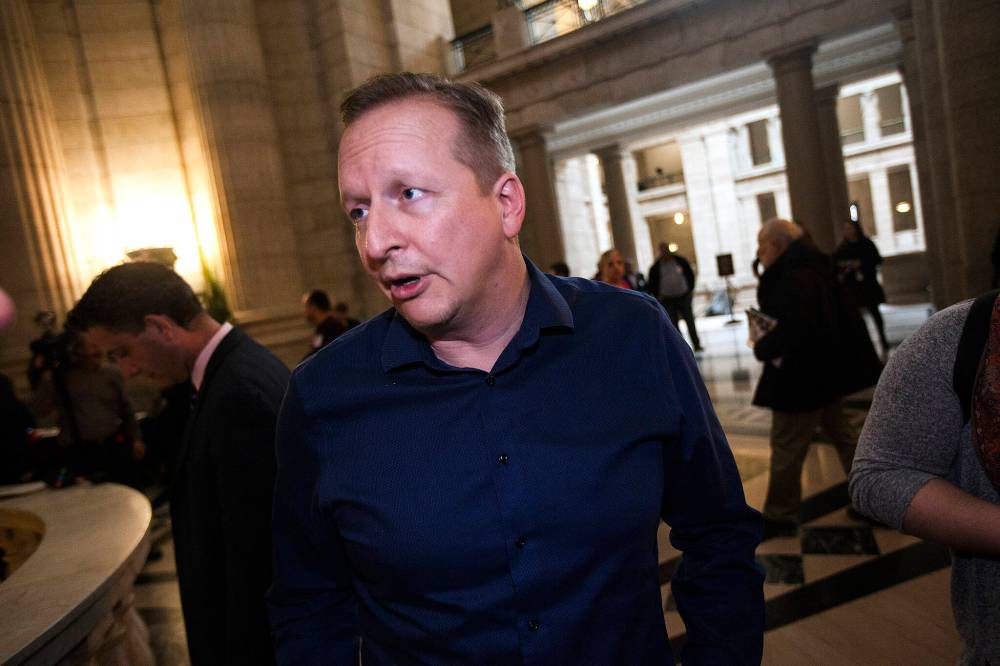
“Now we have a premier (Heather Stefanson) saying we have to learn how to live with COVID, at the same time groceries and gas prices are going up. Staying home sick and not getting paid could be the difference between paying a bill or putting food on the table.
“This is the time when people should keep other people safe.”
The MFL is asking the province to follow the federal government’s lead and put in place 10 days of paid sick leave for all Manitoba workers.
“It needs to be standard for everyone,” Rebeck said. “This needs to be done in legislation.
“The federal government did it, but only eight to 12 per cent of the workers here are federally covered — the other 90 per cent don’t have it.”
Rebeck said he has asked the Stefanson government to at least begin consultations about the issue, but doesn’t know if it will happen.
“It may well take an election to make it happen.”
The Tory government announced last month, beginning March 15, public health orders requiring mask use in public places would end. Last week, Shared Health said Manitobans would still need to wear masks inside at a health-care facility.
As well, March 15 will also see the end of anyone who tests positive for COVID-19 being ordered to isolate. The province says it will now be recommending people with symptoms stay home and isolate for five days after symptoms start until they have no fever or symptoms; people who test positive with no symptoms can come out of isolation five days after the test.
A provincial spokesman said in a statement: “Manitoba’s public health emergency leave provides unpaid job protection for workers who are required to take time off due to COVID-19.”
“As well, under the employment standards code, employees are entitled to three unpaid days for family-related leave and up to 17 unpaid weeks for long-term leave for serious injury or illness.”
The spokesman said employers can provide additional benefits beyond what is in the employment standards code. Manitoba is watching what other provinces are doing regarding paid sick time, and is working with both the federal government and other provincial and territorial governments to look into it further, he added.
James Bedford, Manitoba Teachers’ Society president, said teachers have sick leave benefits and the union supports teachers staying home if they are feeling sick.
But Bedford admits that isn’t always easy.
“The challenge to staying home arises in cases where substitute teachers are in short supply — as they have been throughout the pandemic,” he said.
“Teachers can feel obligated to go to work if there may be no one to fill in and keep their classroom running. MTS is working with the Department of Education, the province’s faculties of education and the Manitoba School Boards Association to make it possible for education students to substitute in classrooms and alleviate the impact of shortages across the province.”
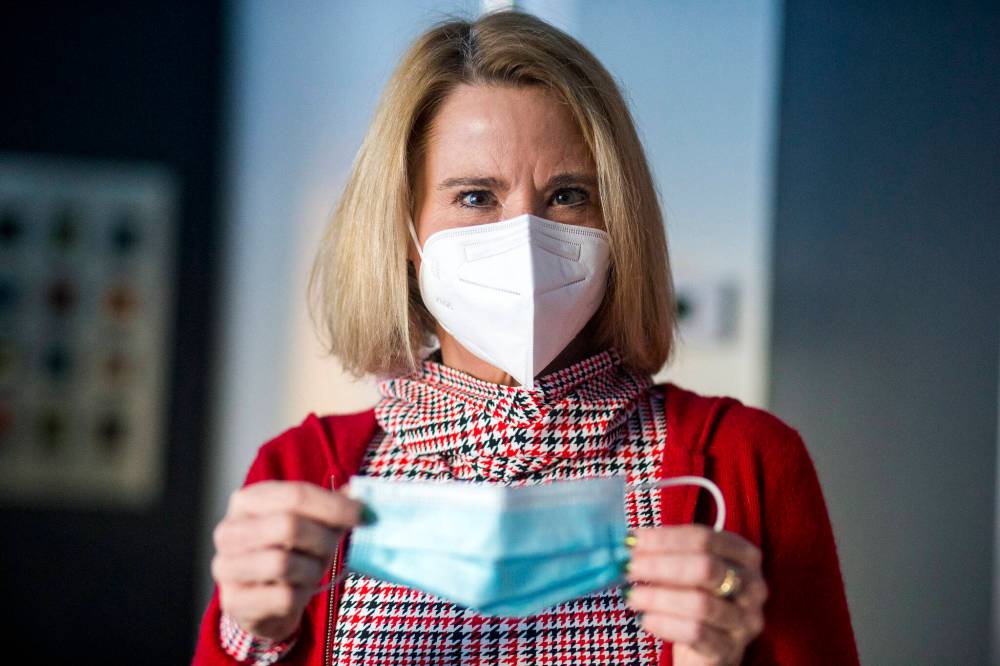
Winnipeg epidemiologist Cynthia Carr said North American workers have always been challenged between working and feeling guilty about staying home “with just a cold, for example, when this is still an infectious illness.”
“It should not have to be mandated that you stay home when sick — especially if infectious for the well-being of co-workers as well as consumers, clients, (and) patients with whom the worker interacts,” Carr said.
“I understand employers have been impacted by employee absenteeism, however, encouraging people to come to the workplace when carrying an infectious disease will result in more disruption to the workplace, not less.”
Carr said she doesn’t believe it is time for employers and anyone else to ease up on vigilance against the virus.
She said employers should still have virus screening of employees and send them home for the first few days or have them wear a mask if they have symptoms or are coughing or sneezing.
“We should be making workplace and community safety part of our routing and not just attended to properly because there’s a mandate.”
Tory McNally, director of human resources services at Legacy Bowles Group, said every workplace should make their own rules based on a safety assessment.

“If an assessment reveals that social distancing cannot be properly maintained, then the employer can keep mask orders in place for staff,” McNally said.
“If an employee is feeling nervous about taking their own mask off, they have the right to request accommodation to be allowed to stay masked while at work. I know that many businesses are strongly encouraging that their employees continue to wear masks, but are leaving it up to individual choice.”
She said the federal government is continuing with the Canada Recovery Sickness Benefit until at least May, so even if the employer refuses to give paid sick leave, income assistance is available.
“Disability is a protected human right and employers cannot discriminate against someone who is ill.”
kevin.rollason@freepress.mb.ca
Kevin Rollason
Reporter
Kevin Rollason was a general assignment reporter at the Free Press.
Our newsroom depends on a growing audience of readers to power our journalism. If you are not a paid reader, please consider becoming a subscriber.
Our newsroom depends on its audience of readers to power our journalism. Thank you for your support.
Kevin Rollason
Reporter
Kevin Rollason was a general assignment reporter at the Free Press.
Our newsroom depends on a growing audience of readers to power our journalism. If you are not a paid reader, please consider becoming a subscriber.
Our newsroom depends on its audience of readers to power our journalism. Thank you for your support.
Advertisement Advertise With Us
Advertisement Advertise With Us