

Family fears for ailing mother

Advertisement
Read this article for free:
or
Already have an account? Log in here »
To continue reading, please subscribe:
Monthly Digital Subscription
$1 per week for 24 weeks*
- Enjoy unlimited reading on winnipegfreepress.com
- Read the E-Edition, our digital replica newspaper
- Access News Break, our award-winning app
- Play interactive puzzles
*Billed as $4.00 plus GST every four weeks. After 24 weeks, price increases to the regular rate of $19.95 plus GST every four weeks. Offer available to new and qualified returning subscribers only. Cancel any time.
Monthly Digital Subscription
$4.99/week*
- Enjoy unlimited reading on winnipegfreepress.com
- Read the E-Edition, our digital replica newspaper
- Access News Break, our award-winning app
- Play interactive puzzles
*Billed as $19.95 plus GST every four weeks. Cancel any time.
To continue reading, please subscribe:
Add Free Press access to your Brandon Sun subscription for only an additional
$1 for the first 4 weeks*
*Your next subscription payment will increase by $1.00 and you will be charged $16.99 plus GST for four weeks. After four weeks, your payment will increase to $23.99 plus GST every four weeks.
Read unlimited articles for free today:
or
Already have an account? Log in here »
Hey there, time traveller!
This article was published 01/06/2020 (2155 days ago), so information in it may no longer be current.
Jennifer Goreski video chats with her mom most mornings, but these days she is having a hard time recognizing the woman on the other side of the screen.
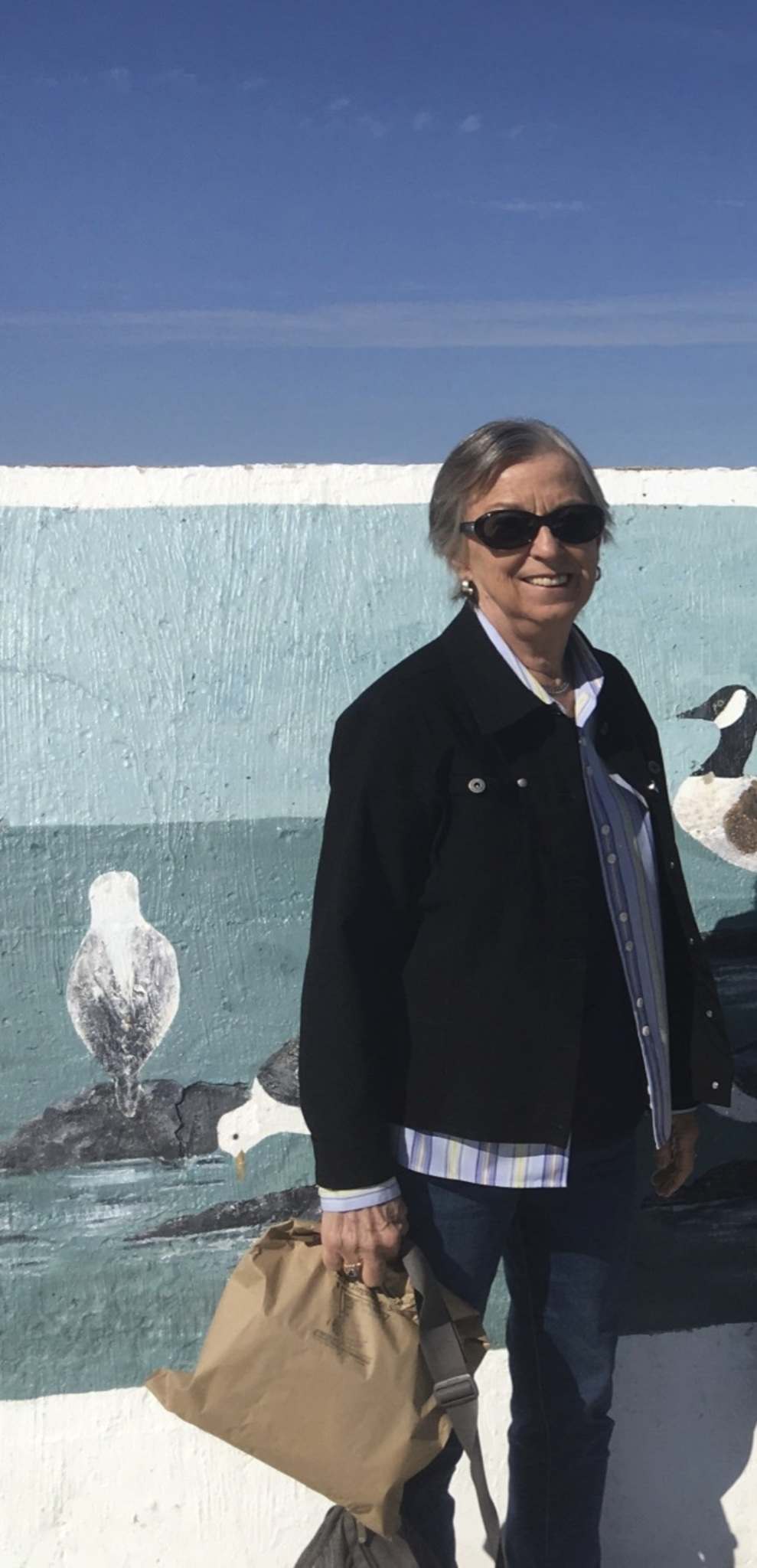
Elsie Thiessen, 77, has dementia and over the last 11 weeks, Goreski says she has watched helplessly while her mother’s condition has deteriorated due to isolation and unexpected health issues.
“I feel like we’ve lost my mom,” she said.
On March 13, Goreski and her brother, Jon Thiessen, moved Elsie out of the 2,800-square-foot home, where she had been living independently, and into an assisted-living facility. The difficult transition was quickly made much worse by a global pandemic.
“COVID hit and suddenly she was in lockdown in a facility where she knew nobody,” Goreski said. “Every time we talked to her, we could tell she was going downhill.”
The siblings visited their mom daily to help get her acclimatized to her new suite at Brightwater Senior Living of Tuxedo. On March 15, the privately owned facility announced it would limit outside visitation with residents. On April 7, Goreski received notice from Brightwater that in-person visits were being suspended.
“They called me the day of,” she said. “We weren’t able to go and see her one last time or try to figure out a scenario of moving her into our house.”
While Elsie was still being attended to every few hours by Brightwater staff, she was largely confined to her suite since most of the centre’s resident programming had been cancelled as a safety precaution. Thiessen likens the situation to solitary confinement.
“People who have dementia, they don’t understand what’s going on, they don’t recognize faces, everyone’s wearing masks and now they aren’t allowed visitors,” he said. “They’ve been pulled out of what was a routine and plopped into a life that they don’t understand.”
A predictable routine along with mental, physical and social stimulation can help slow the progression of dementia, said Erin Crawford, program director for the Alzheimer Society of Manitoba.
“Isolation can make their existing condition deteriorate, depending where they’re at in the progression of their disease,” she said.
The disease can cause memory loss and difficulty with thinking and problem solving. The disruption to daily life brought on by COVID-19 has been particularly difficult for people with dementia.
“Not only are there challenges created because you have that lack of interaction, but you also have the compounded effect that you’ve got a change in routine,” Crawford said.
“We encourage people to find ways to continue to connect… (but) we’ve heard from people with loved ones in long-term care facilities, for example, that they’re really finding that a challenge.”
Goreski and Thiessen have stayed in touch with their mother through daily phone calls and attempted a few window visits at Brightwater in April, but the meetings seemed to cause more harm than good.
“It felt like it was actually making it worse because she was so confused why we were on the outside of the window and why she was inside freezing with the window open,” Goreski said.
After visitation was suspended at Brightwater, Goreski says she learned that residents who were independent enough to do so, were given permission to leave and re-enter the facility for things like grocery shopping.
“But we weren’t allowed in to see our mother who has dementia and had just gotten there and was trying to settle in?” she said.
In an email, Jason Myhre, Brightwater’s vice-president of sales, marketing and customer service, confirmed residents were “afforded limited access and exit for health-related and other essential reasons only” during the beginning stages of restrictions at the facility.
“Based on all records… there was no indication of any resident freely coming and going from the community during this time or even currently,” Myhre wrote. “Anyone having to leave under those guidelines were held to strict assessment procedures upon entering and reentering.”
The phone calls with Elsie continued, but her children noticed she was often confused and panicked during the conversations.
On April 23, she was transferred to the Health Sciences Centre, and later Victoria Hospital, after a fall at Brightwater. When she was admitted, doctors at HSC told the family that Elsie was dehydrated, underweight and suffering from a urinary tract infection that required intravenous antibiotics and a catheter.
The transition to the health care system came with its own set of challenges for Goreski and Thiessen, who still haven’t seen their mother in-person because hospitals aren’t allowing visitors unless for compassionate or end-of-life reasons.
A spokesman with the Winnipeg Regional Health Authority said that while he couldn’t comment on a specific patient’s circumstances, hospital staff take dementia and cognitive ability into consideration when developing clinical care plans and making decisions about visitation.
Hospital staff have facilitated daily FaceTime sessions for the family, but the brother and sister are frustrated by the lack of communication about their mother’s care needs and well-being.
It took weeks for Goreski to realize her mother was having mobility issues because she had been transferred to HSC without her glasses. During a recent video call, she noticed Elsie’s fingernails were very long.
“For eight weeks, nobody had cut her nails,” she said. “I’m told nurses don’t do that so I have to hire somebody to get them to go and cut her nails.”
It came to light her teeth hadn’t been brushed because the family hadn’t dropped off a toothbrush and toothpaste at the hospital.
“We had a father who was very ill at St. Boniface Hospital and part of his near-death experience was because his oral health was not being kept up by the staff and it led to an infection,” Thiessen said. “Just tell me to bring a toothbrush.
“The communication is poor.”
The family has now been told that Elsie will likely need to use a catheter for the rest of her life and around-the-clock care after she’s discharged.

“From my mom living on her own and basically babysitting my children, now I’m told she can never be left alone, that she will need one-on-one care for the rest of her life,” Goreski said. “It’s an insane situation that somebody can go downhill that fast.”
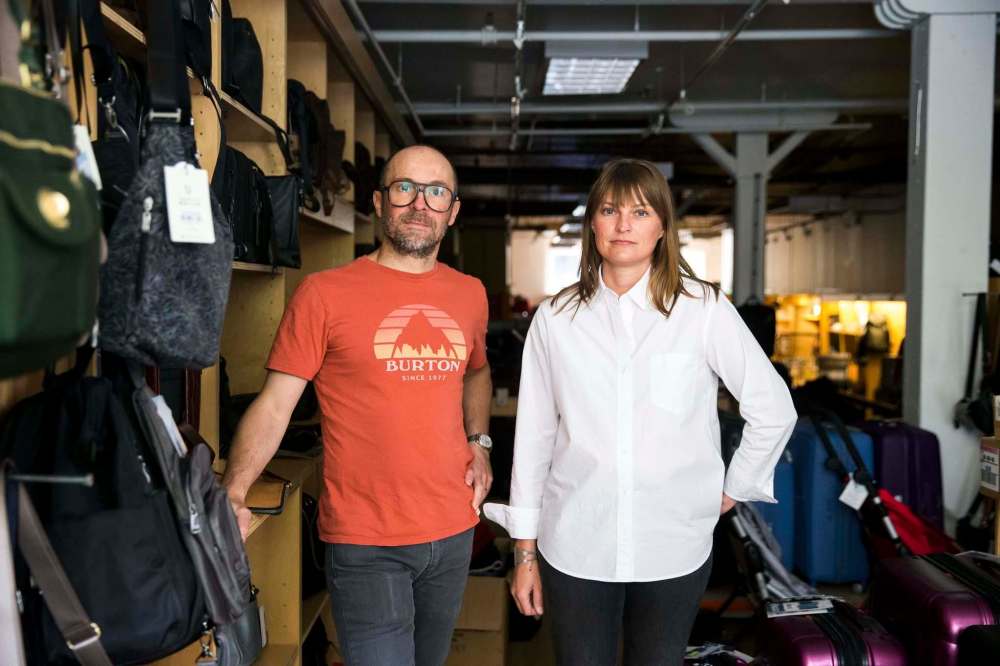
Goreski — who owns local travel boutique, U.N. Luggage, with Thiessen — is preparing to have Elsie live with her until they can find a personal care home that meets her needs. Caring for her mother while trying to keep a business afloat and homeschooling her two children has been a daunting task.
“I’m scared, but I feel like it’s the only option.”
eva.wasney@freepress.mb.ca
Twitter: @evawasney
Eva Wasney has been a reporter with the Free Press Arts & Life department since 2019. Read more about Eva.
Every piece of reporting Eva produces is reviewed by an editing team before it is posted online or published in print — part of the Free Press‘s tradition, since 1872, of producing reliable independent journalism. Read more about Free Press’s history and mandate, and learn how our newsroom operates.
Our newsroom depends on a growing audience of readers to power our journalism. If you are not a paid reader, please consider becoming a subscriber.
Our newsroom depends on its audience of readers to power our journalism. Thank you for your support.
Eva Wasney has been a reporter with the Free Press Arts & Life department since 2019. Read more about Eva.
Every piece of reporting Eva produces is reviewed by an editing team before it is posted online or published in print — part of the Free Press‘s tradition, since 1872, of producing reliable independent journalism. Read more about Free Press’s history and mandate, and learn how our newsroom operates.
Our newsroom depends on a growing audience of readers to power our journalism. If you are not a paid reader, please consider becoming a subscriber.
Our newsroom depends on its audience of readers to power our journalism. Thank you for your support.
Advertisement Advertise With Us
Advertisement Advertise With Us