

The climb toward the Olympic gold medal showdown began months ago and the US came out on top
Advertisement
Read this article for free:
or
Already have an account? Log in here »
To continue reading, please subscribe:

Digital Subscription
One year of digital access for only $205*
- Enjoy unlimited reading on winnipegfreepress.com
- Read the E-Edition, our digital replica newspaper
- Access News Break, our award-winning app
- Play interactive puzzles
*First annual payment billed as $205.00 + GST for one year. This annual subscription will automatically renew at $233.00 + GST every 52 weeks (10% off the regular annual price of $259.35). Offer available to new and qualified returning subscribers only. Cancel any time.
To continue reading, please subscribe:
Add Free Press access to your Brandon Sun subscription for only an additional
$1 for the first 4 weeks*
- Enjoy unlimited reading on winnipegfreepress.com
- Read the E-Edition, our digital replica newspaper
- Access News Break, our award-winning app
- Play interactive puzzles
*Your next Brandon Sun subscription payment will increase by $1.00 and you will be charged $17.95 plus GST for four weeks. After four weeks, your payment will increase to $24.95 plus GST every four weeks.
Read unlimited articles for free today:
or
Already have an account? Log in here »
Hey there, time traveller!
This article was published 22/02/2026 (226 days ago), so information in it may no longer be current.
MILAN (AP) — When organizers designed the 4 Nations Face-Off to be played in February 2025, NHL Commissioner Gary Bettman said the intent was for it to serve as an appetizer for hockey at the Olympics.
What it turned out to be, beyond a smashing success that put the sport firmly in the limelight, was a blueprint for the U.S. and Canada to build their rosters. The tournament was the first in international play to feature the best in the world in nearly a decade. The lessons learned informed what USA Hockey and Hockey Canada did over the past year.
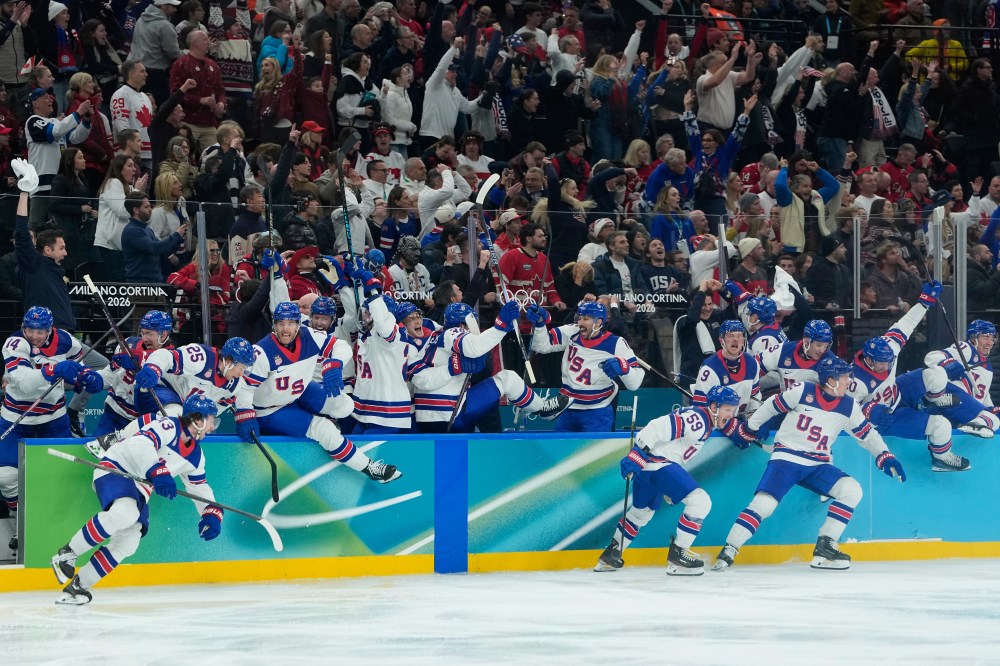
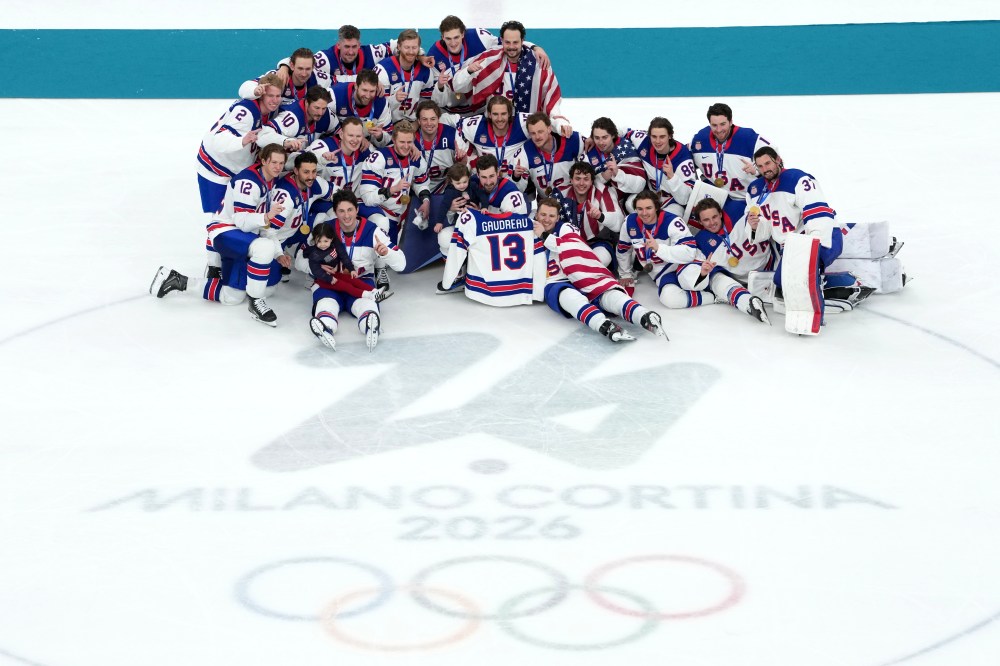
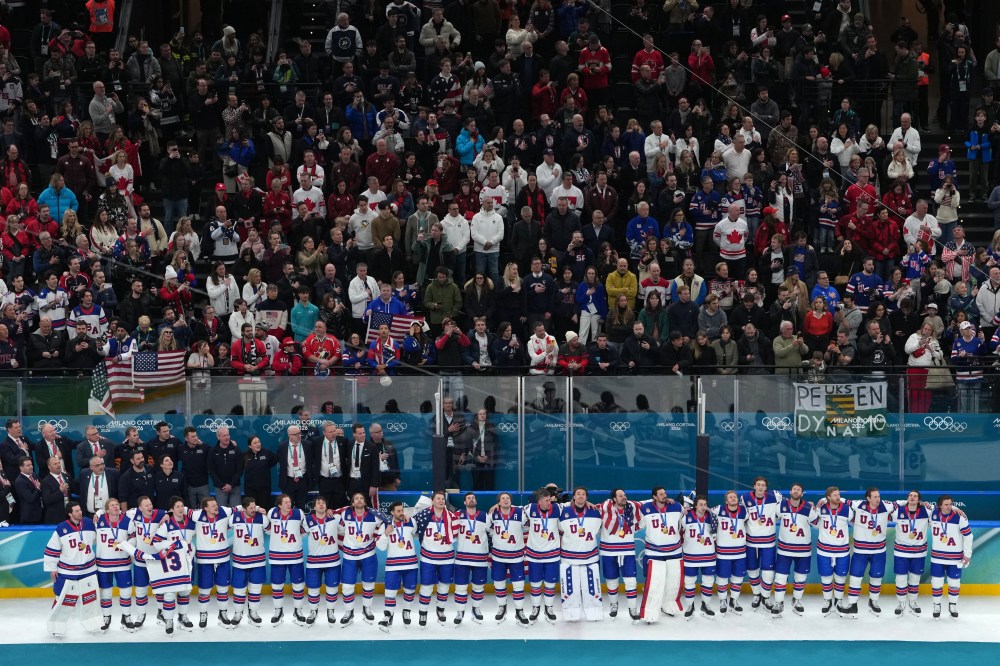
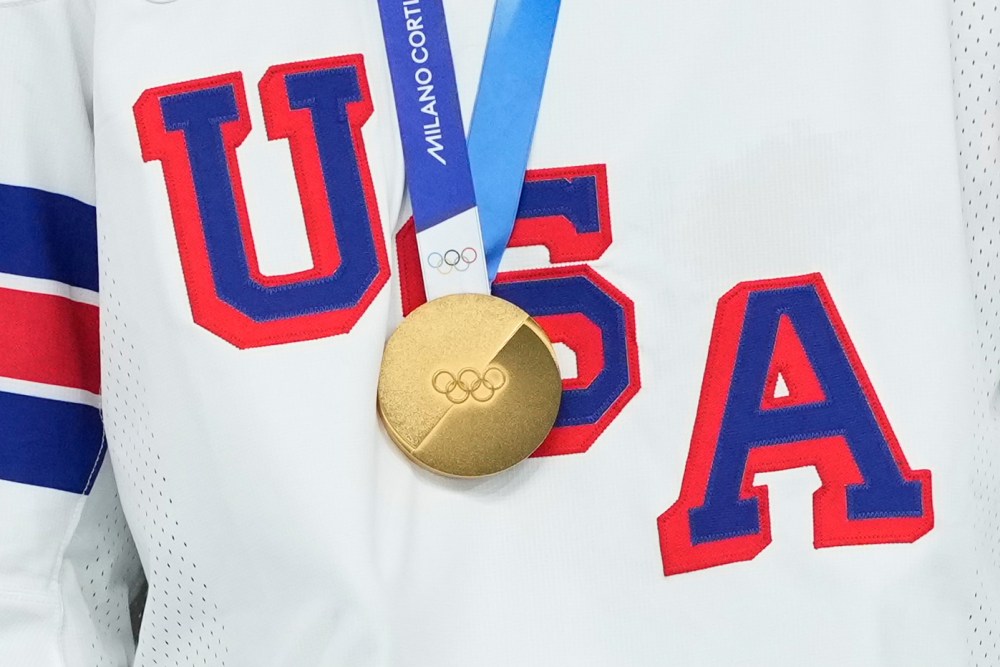
It worked, especially for the U.S., which beat Canada 2-1 in an overtime thriller Sunday to win Olympic gold and silence the critics who were unhappy about the decision to leave four of the top 10 American scorers in the league — Jason Robertson, Lane Hutson, Cole Caufield and Alex DeBrincat — home.
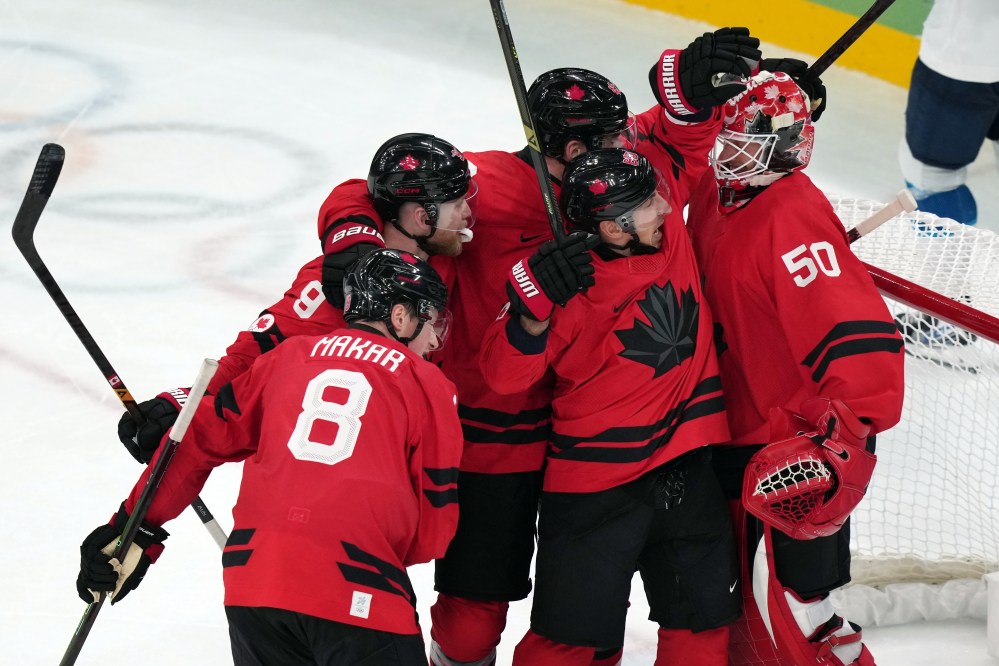
U.S. general manager Bill Guerin and his group opted to bring back forwards like Vincent Trocheck and J.T. Miller, who could kill penalties and defend. The U.S. wanted players who could do specific jobs and also be versatile to move around the lineup, with coach Mike Sullivan making changes along the way.
“One of the things that Billy Guerin and I talked about from the very beginning was trying to build a team in the true sense of the word, so we looked at a deep group of American talent and these decisions were very difficult,” Sullivan said. “They weren’t easy. You look at how this group is constructed, there was a thought process that we had players that could play in all situations.”
Guerin insisted the U.S. “didn’t build our team just to play Canada.”
“We built the best team possible,” Guerin said. “We feel that we built the best team possible. We did that with us in mind. We’re worried about us, not anybody else.”
Canada brought six new players who were not at 4 Nations, and injuries to Brayden Point and Anthony Cirelli cleared the way for Sam Bennett and Seth Jarvis. One of the newcomers is 19-year-old Macklin Celebrini, who has turned heads since he was an NHL rookie in the fall of 2024.
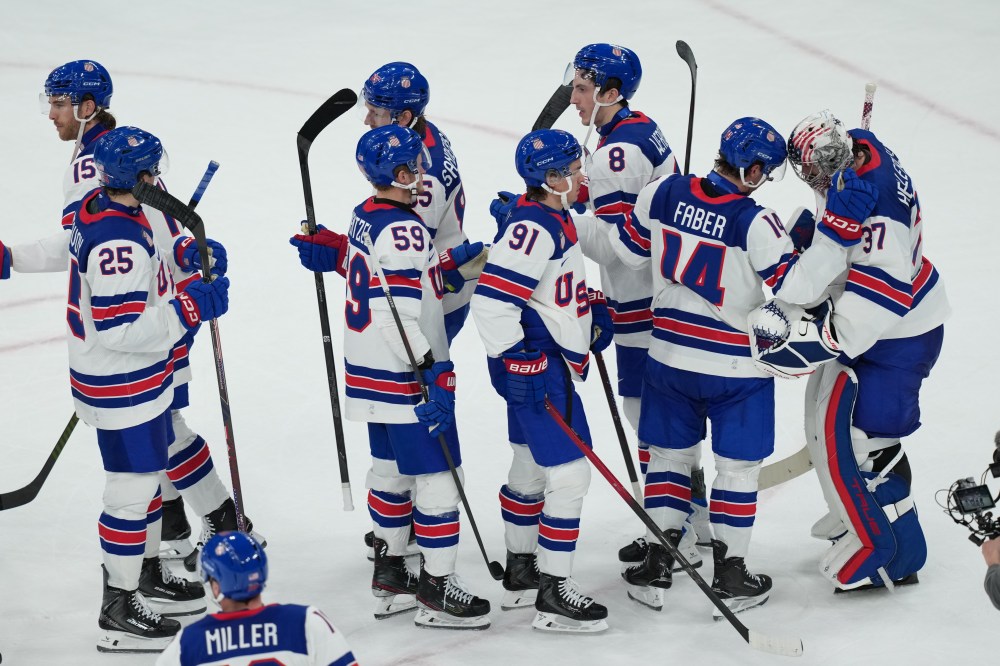
“I didn’t even know I was on the radar or even in the conversation,” Celebrini said. “When (GM Doug Armstrong) brought that to my attention, it was a little bit of a push and excitement —- just a little bit more of something that I can look forward to and work to.”
Celebrini was one of Canada’s best players with 10 points heading into the gold medal game, behind only tournament leader and teammate Connor McDavid.
“He’s got a lot of skill and a lot of confidence,” winger Mitch Marner said. “He’s not afraid of the big moments.”
Another new addition, Nick Suzuki, scored the tying goal when Canada trailed with less than four minutes left in the quarterfinals. Tom Wilson started on right wing with Celebrini, and McDavid has brought size and physicality — and even fisticuffs — to the Olympics.
Canada changed out two goaltenders, picking Logan Thompson and Darcy Kuemper this time, but coach Jon Cooper always had Jordan Binnington written in as the starter. Cooper made up his mind immediately after Binnington backstopped Canada to the win at 4 Nations, and the 32-year-old netminder’s play over his first four starts validated that decision.
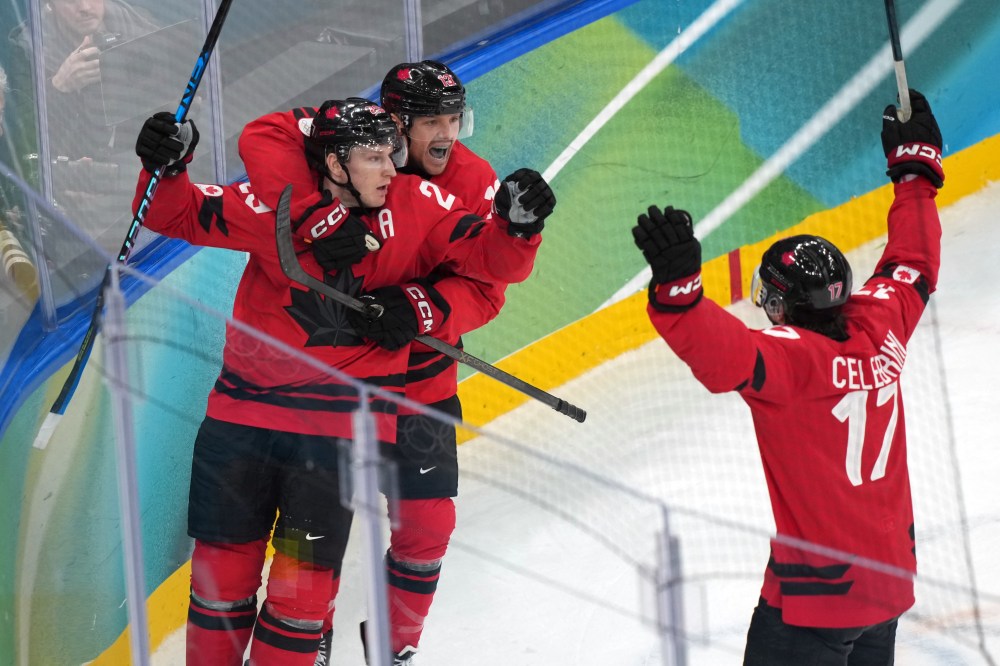

“You don’t have to be a scout to see what he did in the Stanley Cup (Final), what he did in the 4 Nations, and there’s a massive belief,” Armstrong said, referring to Binnington and the St. Louis Blues winning the NHL championship in 2019. “When players see that time and time again, that’s just a foundation that they know that, ‘OK, when push comes to shove, we have faith in this guy,’ and I think that’s where they are with Binner.”
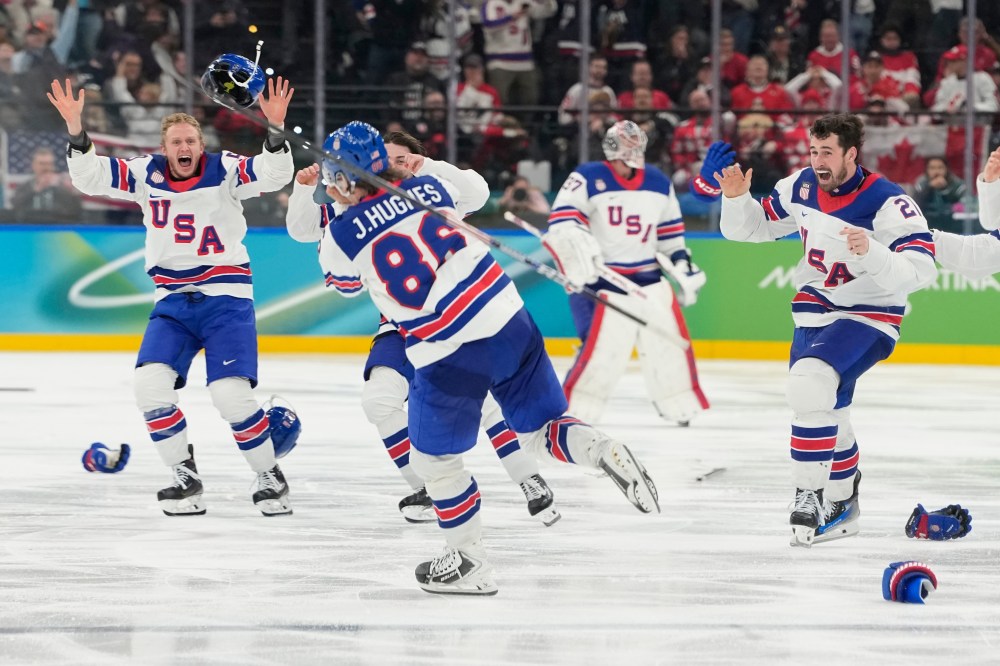
The U.S. relied primarily on Connor Hellebuyck, who starred at the 4 Nations and is the reigning NHL MVP and Vezina Trophy winner as the league’s best goalie. He had perhaps the best game of his life against Canada in the final, stopping 41 of the 42 shots he faced to give Jack Hughes the chance to join him as American heroes by scoring the golden goal in overtime.
“If it weren’t for him today, that game would have looked a lot different,” Miller said. “He was amazing.”
___
AP Winter Olympics: https://apnews.com/hub/milan-cortina-2026-winter-olympics
Related Articles
Arrivederci Milan Cortina. Italian organizers contemplating Rome bid for 2040 Summer Olympics



Advertisement Advertise With Us
Advertisement Advertise With Us