

Nova Scotia to spend $16 million more this year to add 25 more RCMP officers
Advertisement
Read this article for free:
or
Already have an account? Log in here »
To continue reading, please subscribe:

Digital Subscription
One year of digital access for only $205*
- Enjoy unlimited reading on winnipegfreepress.com
- Read the E-Edition, our digital replica newspaper
- Access News Break, our award-winning app
- Play interactive puzzles
*First annual payment billed as $205.00 + GST for one year. This annual subscription will automatically renew at $233.00 + GST every 52 weeks (10% off the regular annual price of $259.35). Offer available to new and qualified returning subscribers only. Cancel any time.
To continue reading, please subscribe:
Add Free Press access to your Brandon Sun subscription for only an additional
$1 for the first 4 weeks*
- Enjoy unlimited reading on winnipegfreepress.com
- Read the E-Edition, our digital replica newspaper
- Access News Break, our award-winning app
- Play interactive puzzles
*Your next Brandon Sun subscription payment will increase by $1.00 and you will be charged $17.95 plus GST for four weeks. After four weeks, your payment will increase to $24.95 plus GST every four weeks.
Read unlimited articles for free today:
or
Already have an account? Log in here »
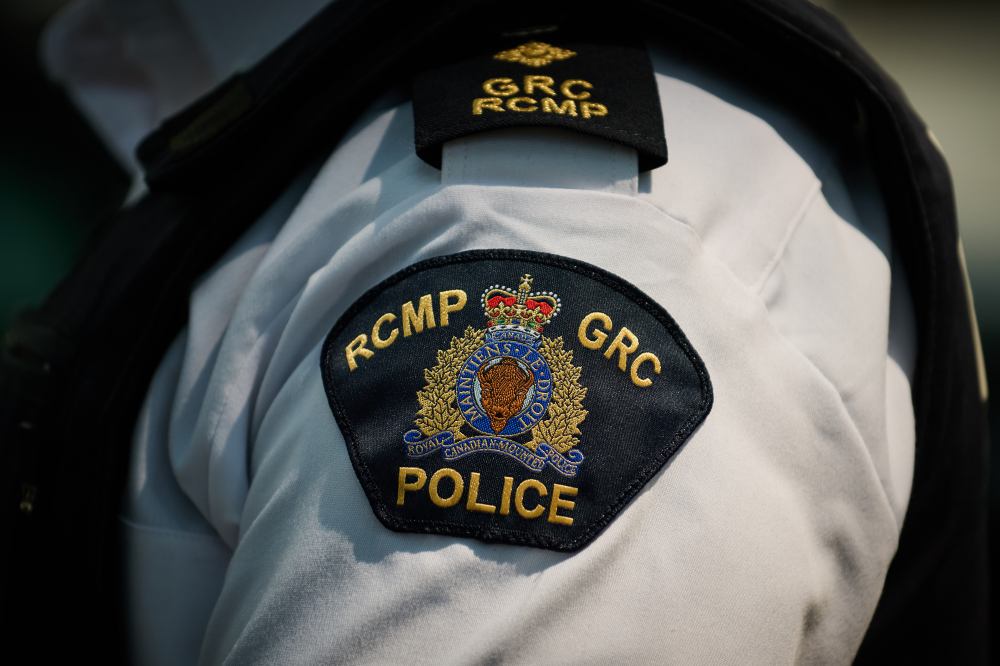
HALIFAX – The Nova Scotia government says it’s planning to expand local RCMP resources with millions of dollars in new spending to address concerns about inadequate police services across the province.
Overall, the government says it will spend $16 million this year and annual spending of $18 million in subsequent years as part of a plan to hire 25 new officers.
“You can’t anticipate where something’s going to happen or when it’s going to happen,” said Justice Minister Scott Armstrong, who announced the RCMP expansion plans on Wednesday.
“You need to be able to respond when it does. And when you’re understaffed based on, maybe a lack of resourcing due to a challenge a municipality is facing due to budgetary constraints, that’s concerning,” he said, adding that this move will address some of those concerns.
But the news has left a professor who studies policing “puzzled,” noting how the government’s new policies fail to address the need for deeper reforms.
Christopher Schneider, a sociology professor at Brandon University in Manitoba, said he can’t understand the rationale for the additional officers if community safety is the goal.
There are better ways to spend government money, he said.
“I think this optically is a terrible look for the province and for the government of Nova Scotia,” he said in an interview, after the government announcement.
“If we were to take a fraction of that money and invest it in support systems for intimate partner violence, that would do way more for victims, for families, and for crime reduction,” Schneider said.
Armstrong said he has confidence in the RCMP, and believes they need more resources to do their jobs.
“Some of the criticisms I think you’ve heard about police were beyond their control and beyond the municipalities’ control, simply because it was very difficult to resource, and municipalities were feeling that,” Armstrong said during a news conference.
Armstrong’s announcement comes over three years after the Mass Casualty Commission released its final report into the April 2020 shooting rampage that claimed 22 lives in rural Nova Scotia. The 300-page report from March 2023 made 130 non-binding recommendations — about half of which focused on policing.
The worst mass shooting in modern Canadian history began in Portapique, N.S., after the gunman violently assaulted his common-law partner.
The inquiry suggested Ottawa should rethink the RCMP’s central role in Canadian policing, and highlighted the ways in which the RCMP missed critical warning signs about the gunman, dismissing reports of domestic violence and possession of illegal firearms.
The commission also offered pointed criticism of the Mounties’ response to the shootings, its failure to promptly send alerts to the public, and it called for the closure of the RCMP’s training depot in Regina to be replaced with a three-year-degree police education model.
Schneider also said in the three years since the inquiry called for major changes within policing, not much has happened.
“I don’t think the RCMP really has moved the needle much” when it comes to addressing the recommendations.
The minister said the inquiry’s report noted the challenges facing rural communities where there may be fewer police officers present. He said additional funding and officers will help make communities across the province safer by giving the RCMP the resources they need to provide the level of service Nova Scotians expect.
Schneider said this logic is puzzling and the message is likely hurtful to victims of intimate-partner violence and their families.
“You know who else is understaffed? Organizations that work with intimate partner violence and survivors. They’re all grossly understaffed across the entire country … So that argument about police being understaffed, it flies right in the face of that … It’s offensive to victims, to people who can’t get the support they need because it’s not available, because it is underfunded,” he said.
In September 2024, the Nova Scotia government declared intimate partner violence an epidemic. A spokesperson for the Justice Department said Wednesday that more than $115 million in this year’s budget will go toward programs that address gender-based and intimate partner violence, an increase of $15 million over the previous year.
This year’s annual funding for provincewide policing services is $200 million, the spokesperson said.
On the other hand, Schneider said, there is evidence showing that investments in affordable housing, intimate-partner violence, health, education and other social supports “lead to concrete reductions in crime.”
“That’s what actually makes communities safer, and makes the job for existing police officers safer,” he added.
The department spokesperson said it consulted with organizations across the province, including those that support gender-based violence prevention.
“They told us directly that police visibility and public safety supports are needed. Today’s investment responds to that call for action.”
This report by The Canadian Press was first published July 29, 2026.