

Dominicans doubt Canadian intentions
Advertisement
Read this article for free:
or
Already have an account? Log in here »
To continue reading, please subscribe:
Monthly Digital Subscription
$1 per week for 24 weeks*
- Enjoy unlimited reading on winnipegfreepress.com
- Read the E-Edition, our digital replica newspaper
- Access News Break, our award-winning app
- Play interactive puzzles
*Billed as $4.00 plus GST every four weeks. After 24 weeks, price increases to the regular rate of $19.95 plus GST every four weeks. Offer available to new and qualified returning subscribers only. Cancel any time.
Monthly Digital Subscription
$4.99/week*
- Enjoy unlimited reading on winnipegfreepress.com
- Read the E-Edition, our digital replica newspaper
- Access News Break, our award-winning app
- Play interactive puzzles
*Billed as $19.95 plus GST every four weeks. Cancel any time.
To continue reading, please subscribe:
Add Free Press access to your Brandon Sun subscription for only an additional
$1 for the first 4 weeks*
- Enjoy unlimited reading on winnipegfreepress.com
- Read the E-Edition, our digital replica newspaper
- Access News Break, our award-winning app
- Play interactive puzzles
*Your next Brandon Sun subscription payment will increase by $1.00 and you will be charged $17.95 plus GST for four weeks. After four weeks, your payment will increase to $24.95 plus GST every four weeks.
Read unlimited articles for free today:
or
Already have an account? Log in here »
Hey there, time traveller!
This article was published 28/09/2013 (4605 days ago), so information in it may no longer be current.
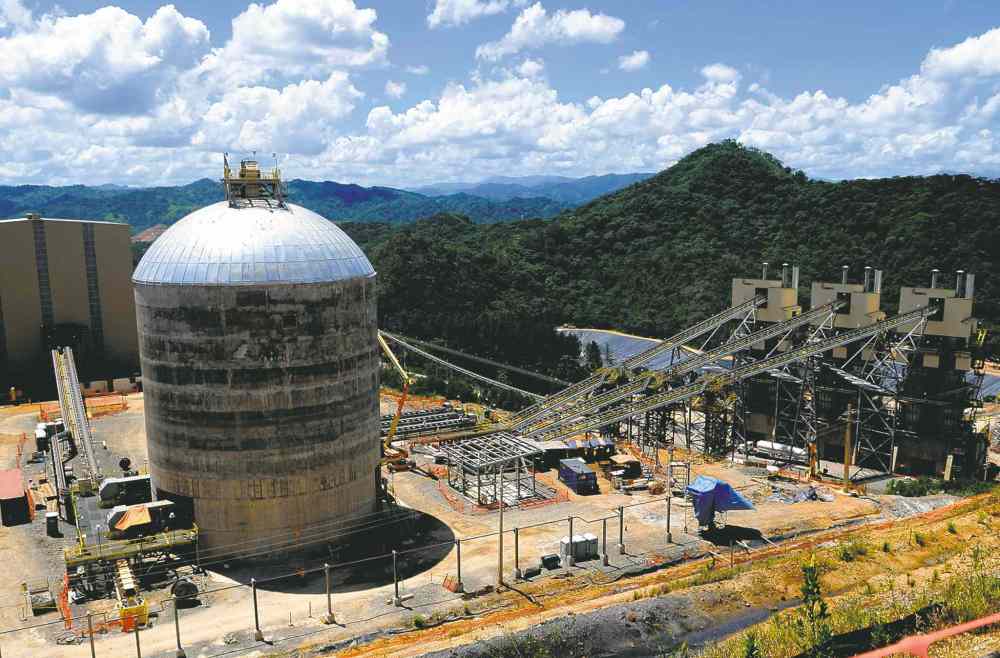
The $4 billion that two Canadian companies, Barrick Gold and Goldcorp, have poured into developing the Pueblo Viejo gold mine since 2009 amounts to the largest single foreign investment in the history of the Dominican Republic.
The companies say the money has turned the polluted ruins of what had been the state-owned Rosario mine, abandoned in 1999, into a “truly world-class” operation that should provide the country’s government with $10 billion in the course of its 25-year life.
The project has been controversial, however. Only weeks after the mining started in January, President Danilo Medina, who was elected last year, declared: “For every $100 of gold exports, Barrick will receive $97 and the Dominican people $3. That is simply unacceptable.”
Nor is it entirely true — Pueblo Viejo Dominicana Corp., the company operating the mine, is 60 per cent owned by Barrick and 40 per cent by Goldcorp.
The point remains, however, and Medina demanded the contract be renegotiated. Otherwise, he said, he would raise taxes on the mine’s profits.
This month the two sides agreed to changes that have front-loaded tax payments and could see the government get an extra $1.3 billion between 2013 and 2016, provided that the price of gold rises and stays above $1,600 an ounce — it is now around $1,350.
Gustavo Montalvo, Medina’s chief of staff, tweeted: “Together we ensured that words like ‘national sovereignty,’ ‘justice’ or ‘transparency’ were transformed into something more concrete.”
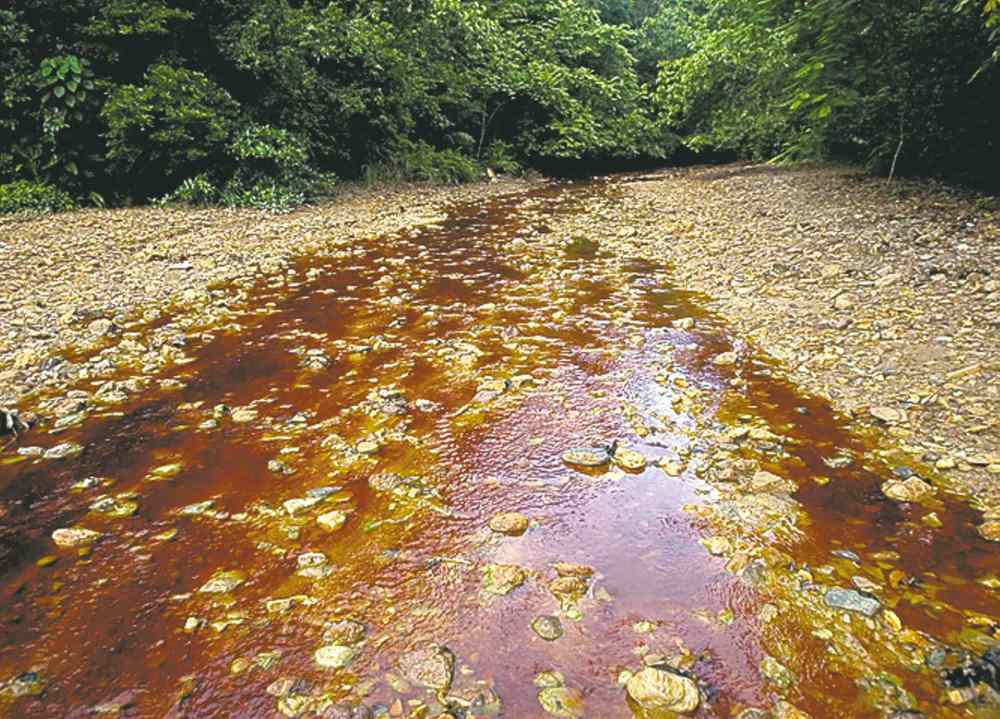
That may not calm local unrest about the mine, which is located about 100 kilometres north of Santo Domingo, the capital. The investment was presented by both the government and the company as including a cleanup of Rosario’s toxic mess and the installation of systems to keep local rivers and streams clean.
Residents are suing PVDC, however, claiming the new mine is poisoning rivers, causing illnesses and killing farm animals.
They want the government to release its environmental-impact assessment for Pueblo Viejo, which so far it has refused to do.
One farmer, Mara de la Cruz Mariano, says she began to suffer skin allergies and other ailments in 2010, after PVDC began work. Tests on her blood, conducted by a private laboratory, showed high levels of cyanide, lead, sulfur and zinc.
Some of her cattle have died from bovine anemia, which can be caused by ingesting cyanide.
Other residents report that previously clean local rivers have become polluted since PVDC built a dam to collect water containing cyanide, which is used to leach gold from crushed rock.
PVDC has signed the international code of practice for the handling of cyanide.
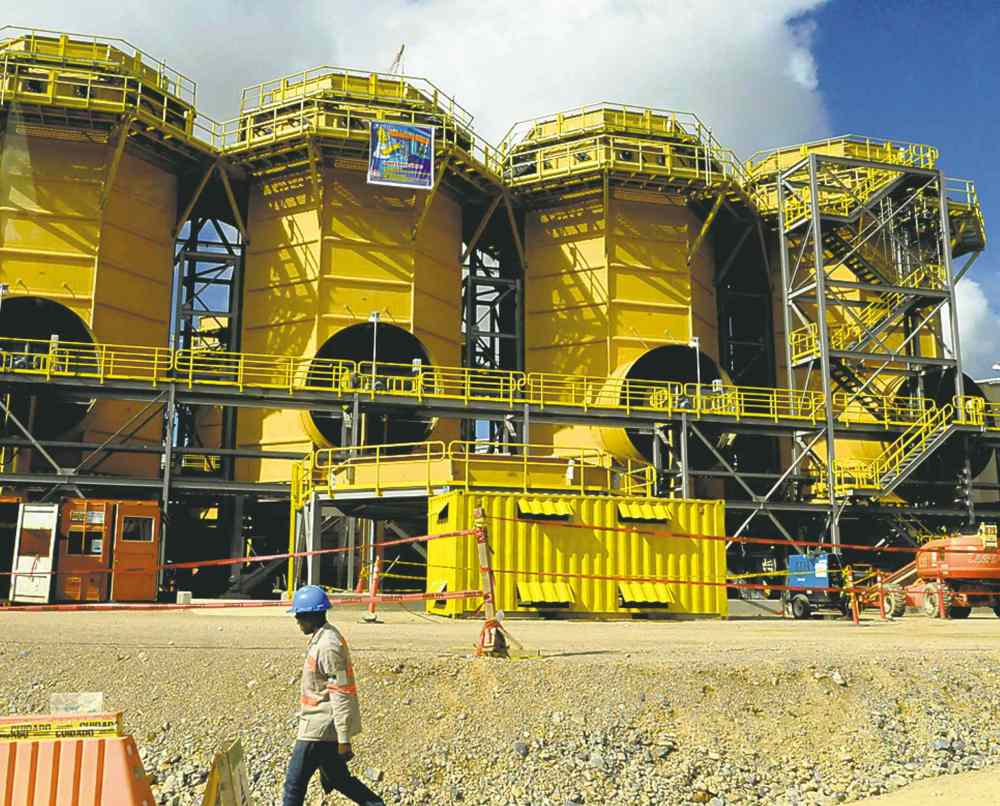
It says it is “in the process of capturing all the surface flows” from the old mine and the new one, sending the water to storage ponds where it is treated. PVDC says, together with local people, it conducts regular, public tests on water and air.
Community leaders say, however, they have no knowledge of such tests, and the company has not answered requests to provide the dates on which they were conducted.