

Evolution formed fist for punching: study
Advertisement
Read this article for free:
or
Already have an account? Log in here »
To continue reading, please subscribe:
Monthly Digital Subscription
$0 for the first 4 weeks*
- Enjoy unlimited reading on winnipegfreepress.com
- Read the E-Edition, our digital replica newspaper
- Access News Break, our award-winning app
- Play interactive puzzles
*No charge for 4 weeks then price increases to the regular rate of $19.95 plus GST every four weeks. Offer available to new and qualified returning subscribers only. Cancel any time.
Monthly Digital Subscription
$4.99/week*
- Enjoy unlimited reading on winnipegfreepress.com
- Read the E-Edition, our digital replica newspaper
- Access News Break, our award-winning app
- Play interactive puzzles
*Billed as $19.95 plus GST every four weeks. Cancel any time.
To continue reading, please subscribe:
Add Free Press access to your Brandon Sun subscription for only an additional
$1 for the first 4 weeks*
*Your next subscription payment will increase by $1.00 and you will be charged $16.99 plus GST for four weeks. After four weeks, your payment will increase to $23.99 plus GST every four weeks.
Read unlimited articles for free today:
or
Already have an account? Log in here »
Hey there, time traveller!
This article was published 25/10/2015 (3723 days ago), so information in it may no longer be current.
Human hands may have developed the ideal shape over time for punching, according to a new study using male cadaver arms.
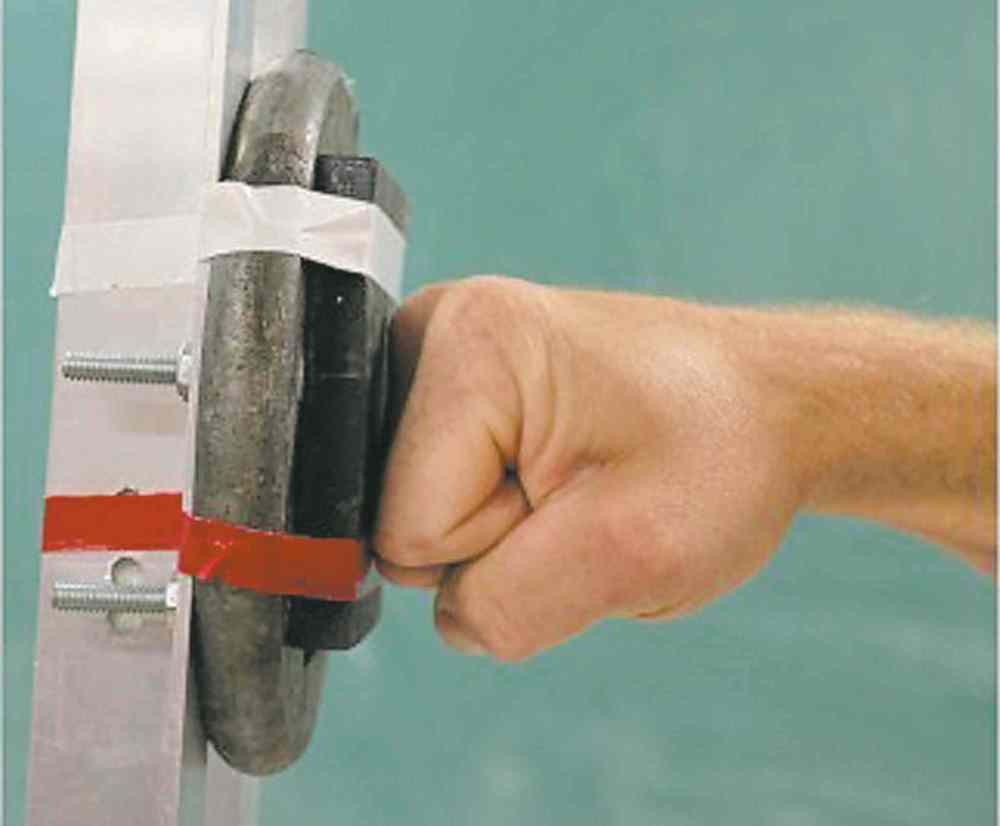
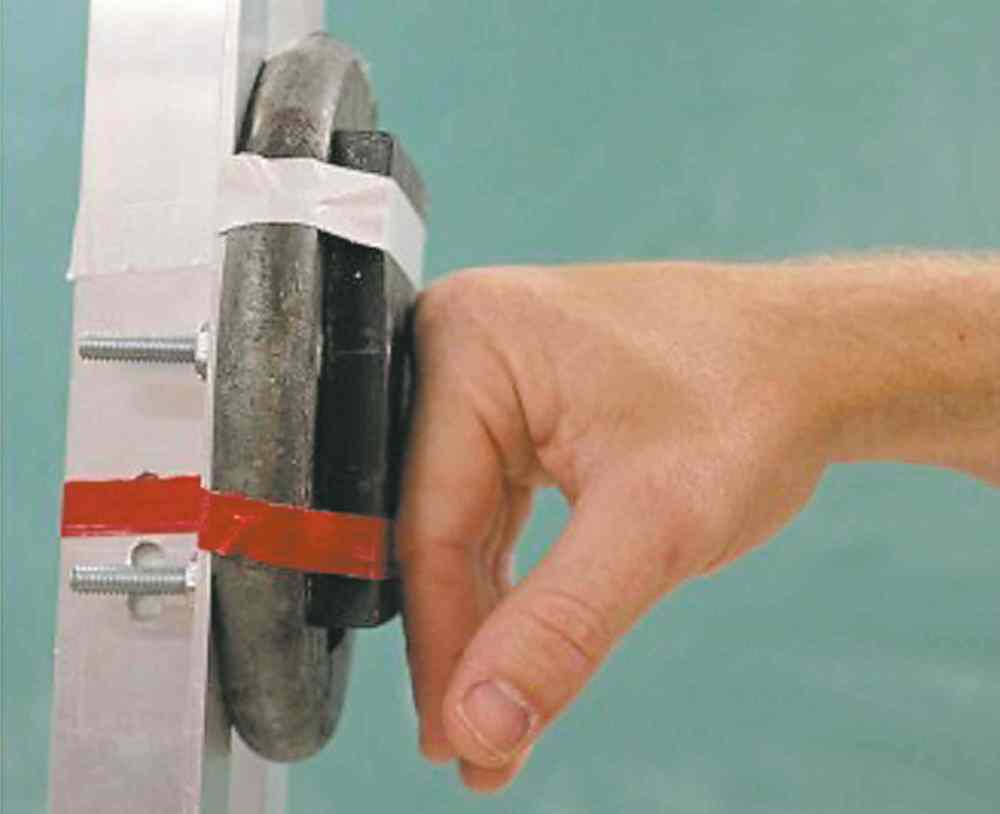
By using the arms to punch a dumbbell while in different positions — a clenched fist, a relaxed fist and an open-palmed slap — scientists were able to determine the clenched fist made it much safer to serve someone a knuckle sandwich without getting hurt.
The findings, published in the Journal of Experimental Biology, bolsters a controversial theory that ties human physiology to a violent past.
Compared with non-hominin primates such as chimpanzees, humans have developed a very different hand structure, with a shorter palm, shorter fingers and a relatively longer thumb. This is thought to be a result of hands evolving for more dexterity, allowing our predecessors to wield and manipulate tools.
“That’s the standard argument, it makes all kinds of sense… There’s every reason to believe that,” said lead author David Carrier, a comparative physiologist at the University of Utah.
But Carrier and colleagues have put forth a different, perhaps complementary idea: as the human hand was becoming more delicate, it may have evolved into just the right shape to fit into a fist — all the better for punching opponents without breaking one’s own bones.
It’s a controversial idea, and one Carrier has been building upon for some time. Last year, he and colleagues released a paper showing the male human face may have evolved to withstand more impacts from being punched — presumably during competitions for mates.
For this study, Carrier focused on the fist. He obtained nine male arms from body-donor programs and, by attaching fishing line to the tendons connected to muscles in the forearm, researchers could control the wrist, thumb and forefingers. They attached strain gauges to the delicate bones in the palm known as the metacarpals, which would be at a high risk of being damaged or broken during a fight.
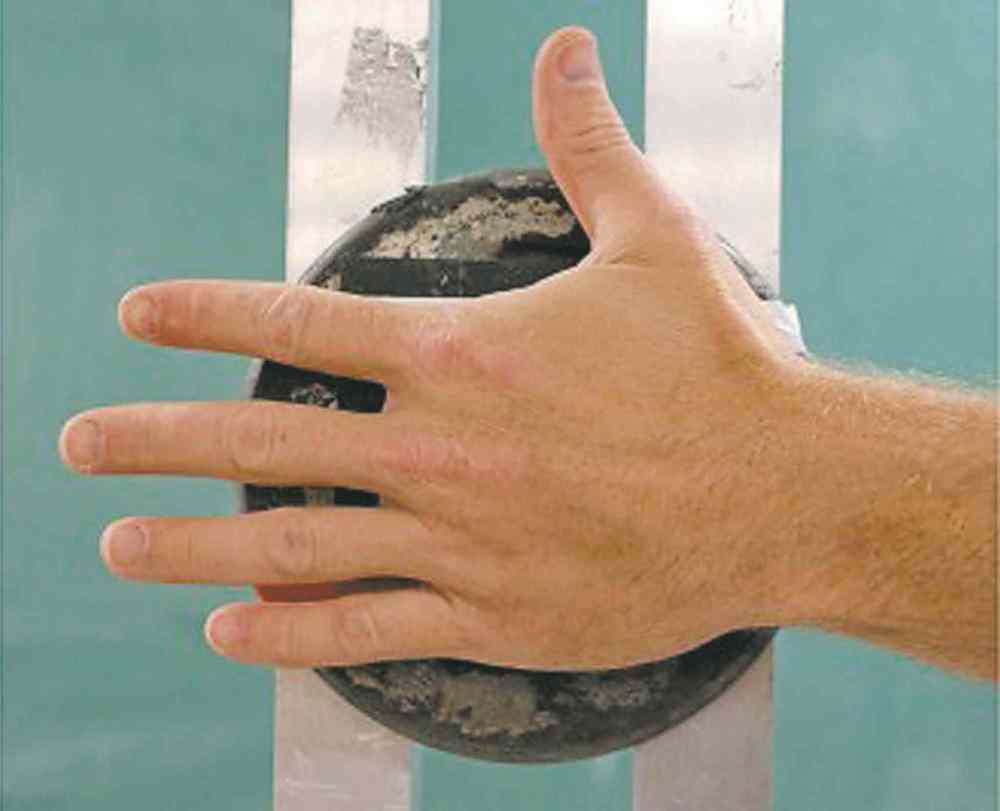
The researchers mounted each hand to a platform that swung like a pendulum, bringing the fist into contact with a padded dumbbell with an accelerometer embedded in it. This allowed them to measure the force the fist was experiencing on contact.
One arm ended up being too arthritic, but the scientists used the other eight to wail on the padded weight in three different positions — a clenched fist, an unclenched fist (without the protection of a thumb and fully curled fingers) as well as an open-handed slap.
As expected, they found that the clenched fist, with the fingers tightly curled into the palm and the thumb providing reinforcement across the knuckles, reduced deformation in the metacarpals, lowering the risk of breakage.
As hands grew more dexterous and delicate, the first shape allowed male humans to keep using it as a weapon, presumably to compete for access to potential mates — a behaviour seen in many other primates, Carrier said.
Carrier’s line of research has its critics and has attracted controversy. The comparative biomechanist says it’s because some might (incorrectly) come to the conclusion such findings could be used to sanction violent behaviour.
“I think some of that’s understandable. There’s a fear that if there is evidence that we are anatomically specialized for aggressive behaviour, that might in some way justify violence, might justify aggression, might justify bad behaviour,” Carrier said. “And the way I respond to that is by saying understanding is not justification.”
— Los Angeles Times