

Many millions die without clean water or sanitation, UN says
Advertisement
Read this article for free:
or
Already have an account? Log in here »
To continue reading, please subscribe:
Monthly Digital Subscription
$0 for the first 4 weeks*
- Enjoy unlimited reading on winnipegfreepress.com
- Read the E-Edition, our digital replica newspaper
- Access News Break, our award-winning app
- Play interactive puzzles
*No charge for 4 weeks then price increases to the regular rate of $19.95 plus GST every four weeks. Offer available to new and qualified returning subscribers only. Cancel any time.
Monthly Digital Subscription
$4.99/week*
- Enjoy unlimited reading on winnipegfreepress.com
- Read the E-Edition, our digital replica newspaper
- Access News Break, our award-winning app
- Play interactive puzzles
*Billed as $19.95 plus GST every four weeks. Cancel any time.
To continue reading, please subscribe:
Add Free Press access to your Brandon Sun subscription for only an additional
$1 for the first 4 weeks*
*Your next subscription payment will increase by $1.00 and you will be charged $16.99 plus GST for four weeks. After four weeks, your payment will increase to $23.99 plus GST every four weeks.
Read unlimited articles for free today:
or
Already have an account? Log in here »
Hey there, time traveller!
This article was published 23/03/2023 (1023 days ago), so information in it may no longer be current.
UNITED NATIONS (AP) — A lack of drinking water and healthy sanitation infrastructure is dire around the world and getting worse, United Nations experts warned in a report issued Thursday.
The report finds that many millions of the world’s 7.78 billion people don’t have enough clean water or sanitation infrastructure that helps keep humans healthy by taking waste away from their homes.
On the second day of a U.N. conference on water, the report calls on the world “to talk about water and take water seriously,” in order to achieve global development goals, said Kaveh Madani, who trained as an engineer with a focus on water resources in Iran and directs the United Nations University, a global think tank.
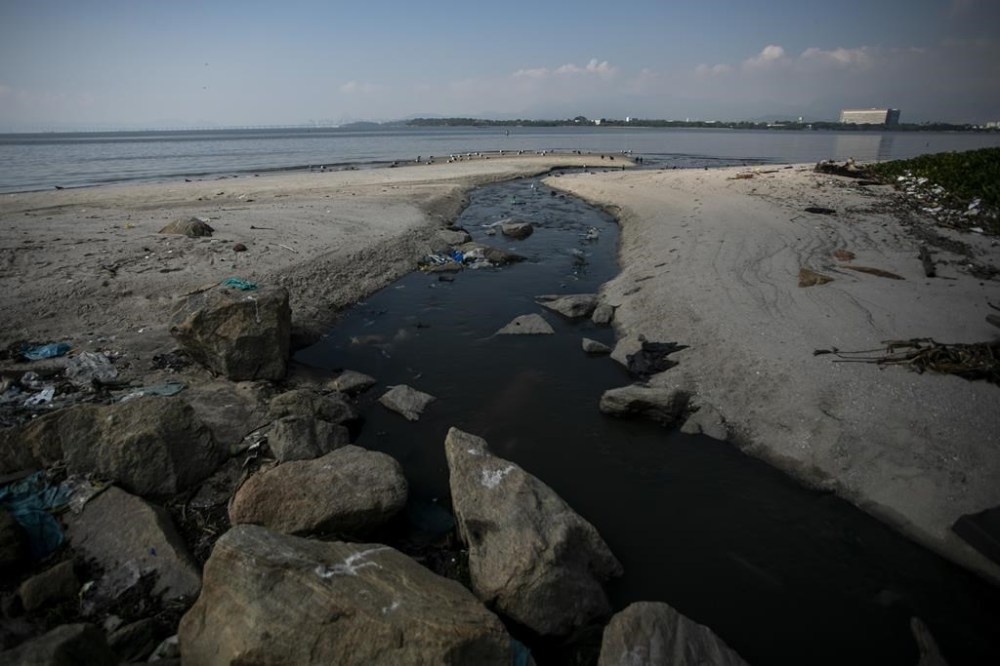
The report “has some alarming statistics and results but it is better to disclose that early on, while we still have time,” Madani told reporters at U.N. headquarters in New York.
Report authors pointed out that the lack of access to basic water-related services kills more people globally than floods, droughts and other disasters, even in the age of global warming.
“Far more people die from lack of access to water, then die from from lesser climate disasters … I’m not saying that people aren’t dying,” said Dr. Charlotte McAlister, a British-trained hydrologist and senior researcher at the U.N. University Institute. “But far more people are dying from lack of safe water, safely managed water and safely managed sanitation.”
One of several reports issued by U.N. agencies on water this week, it contains no overarching solution. But Thursday’s report tries to go beyond despair, saying that “important progress can be achieved in the remaining years.” Progress can occur even in countries without the infrastructure or the resources to match wealthier nations’ ability to provide their people with clean water and sanitation, the report says.
Nearly three-quarters of the world’s people fall into the category of water-insecure, meaning they score below 65 out of 100 on an indicator that combines 10 water-related factors. The report says that over 0.61 billion people (8%) are critically water-insecure.
Of water-insecure people, 4.31 billion people live in the Asia-Pacific region, 1.34 billion in Africa, 415 million in the Americas, and almost 66 million in Europe.