

UN Security Council won’t probe Nord Stream blasts
Advertisement
Read this article for free:
or
Already have an account? Log in here »
To continue reading, please subscribe:
Monthly Digital Subscription
$1 per week for 24 weeks*
- Enjoy unlimited reading on winnipegfreepress.com
- Read the E-Edition, our digital replica newspaper
- Access News Break, our award-winning app
- Play interactive puzzles
*Billed as $4.00 plus GST every four weeks. After 24 weeks, price increases to the regular rate of $19.95 plus GST every four weeks. Offer available to new and qualified returning subscribers only. Cancel any time.
Monthly Digital Subscription
$4.99/week*
- Enjoy unlimited reading on winnipegfreepress.com
- Read the E-Edition, our digital replica newspaper
- Access News Break, our award-winning app
- Play interactive puzzles
*Billed as $19.95 plus GST every four weeks. Cancel any time.
To continue reading, please subscribe:
Add Free Press access to your Brandon Sun subscription for only an additional
$1 for the first 4 weeks*
*Your next subscription payment will increase by $1.00 and you will be charged $16.99 plus GST for four weeks. After four weeks, your payment will increase to $23.99 plus GST every four weeks.
Read unlimited articles for free today:
or
Already have an account? Log in here »
Hey there, time traveller!
This article was published 27/03/2023 (1075 days ago), so information in it may no longer be current.
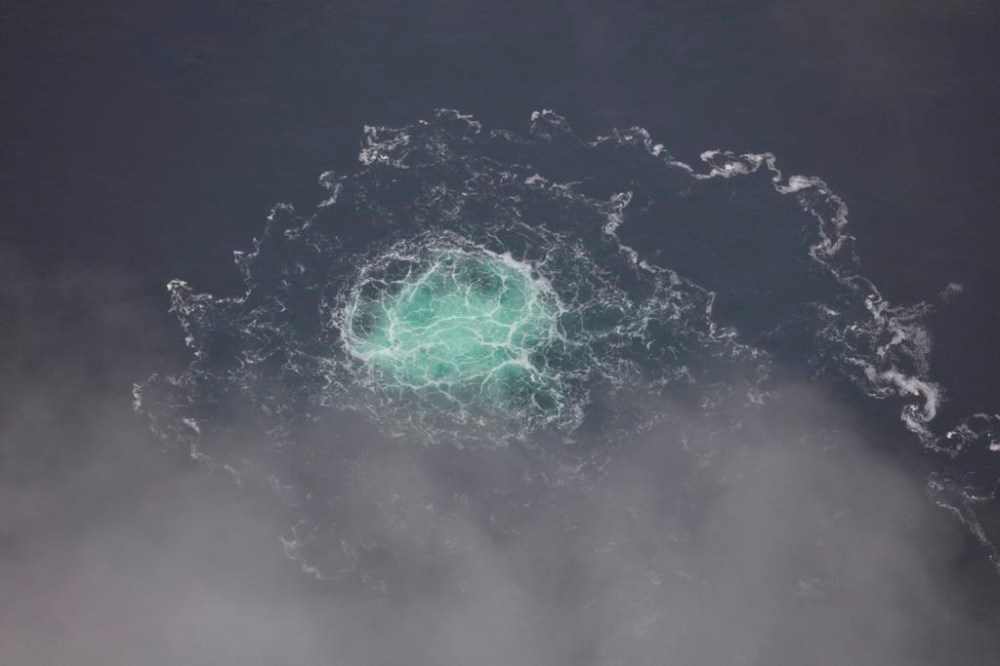
UNITED NATIONS (AP) — The U.N. Security Council on Monday declined a Russian request to investigate the blasts on the pipelines that move natural gas from Russia to Europe under the Baltic Sea.
Russia, China and Brazil voted in favor of the Russian request, but other Security Council members abstained or said another investigation was unnecessary.
For a resolution to be adopted by the U.N. Security Council, it needs a minimum of nine “yes” votes in the 15-member council, and no veto by one of the permanent members — the United States, Russia, China, Britain and France.
The U.S. deputy ambassador, Robert Wood, said there was no need for a U.N. probe when investigations by Sweden, Denmark and Germany “are proceeding in a comprehensive, transparent and impartial manner.”
“It was an attempt to discredit the work of ongoing national investigations and prejudice any conclusions they reached that do not comport to Russia’s predetermined and political narrative. It was not an attempt to seek the truth,” he said.
The pipelines, known as Nord Stream 1 and Nord Stream 2, are majority-owned by Russia’s state-run energy giant Gazprom.
Nord Stream 1 carried Russian gas to Germany until Moscow cut off supplies at the end of August 2022. Nord Stream 2 never entered service as Germany suspended its certification process shortly before Russia invaded Ukraine on Feb. 24, 2022. The explosions on both occurred on Sept. 26.
The investigations by European nations have yet to yield conclusive results, at least none made public.
Both pipelines bypass existing routes that go through Ukraine, meaning that Ukraine could lose income from transit fees and be unable to directly use the gas they carry. The Nord Stream pipelines were seen as an effort by Russia to gain further control over Europe’s energy supplies.
Some have said the blasts caused the worst release of methane in history.
The New York Times, The Washington Post and German media have published stories citing U.S. and other officials as saying there was evidence Ukraine, or at least Ukrainians, may have been responsible. The Ukrainian government has denied involvement.
Russian President Vladimir Putin has dismissed as “sheer nonsense” allegations that Ukrainians could have been behind the blasts and pointed the finger at the U.S.