

Maryland lawmakers pass gun bills, cannabis, by session end
Advertisement
Read this article for free:
or
Already have an account? Log in here »
To continue reading, please subscribe:

Digital Subscription
One year of digital access for only $205*
- Enjoy unlimited reading on winnipegfreepress.com
- Read the E-Edition, our digital replica newspaper
- Access News Break, our award-winning app
- Play interactive puzzles
*First annual payment billed as $205.00 + GST for one year. This annual subscription will automatically renew at $233.00 + GST every 52 weeks (10% off the regular annual price of $259.35). Offer available to new and qualified returning subscribers only. Cancel any time.
To continue reading, please subscribe:
Add Free Press access to your Brandon Sun subscription for only an additional
$1 for the first 4 weeks*
- Enjoy unlimited reading on winnipegfreepress.com
- Read the E-Edition, our digital replica newspaper
- Access News Break, our award-winning app
- Play interactive puzzles
*Your next Brandon Sun subscription payment will increase by $1.00 and you will be charged $17.95 plus GST for four weeks. After four weeks, your payment will increase to $24.95 plus GST every four weeks.
Read unlimited articles for free today:
or
Already have an account? Log in here »
Hey there, time traveller!
This article was published 09/04/2023 (1257 days ago), so information in it may no longer be current.
HANNAPES, France – Maryland lawmakers adjourned late Monday from their annual legislative session after approving measures for gun control, abortion rights, a licensing framework to open a recreational marijuana market and a push to expand offshore wind development.
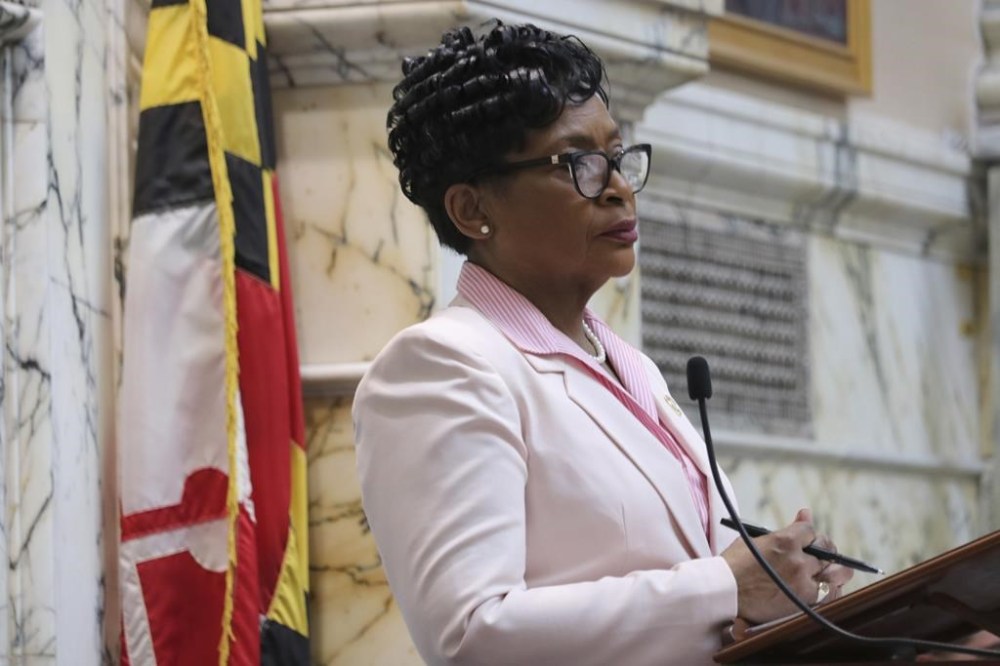
The Maryland General Assembly, which is controlled by Democrats, passed a bill that would prevent someone from carrying a concealed handgun in certain areas. The measure would prohibit people with permits to carry concealed handguns in sensitive areas like school playgrounds, hospitals or polling locations.
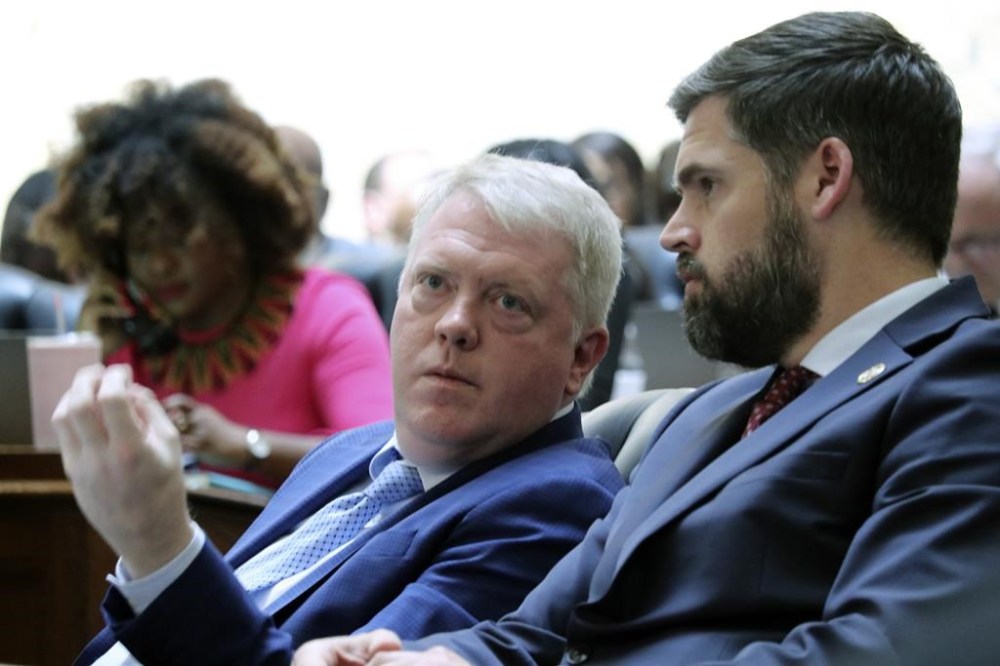
“The goal that we have in passing this bill is not to chip away at Second Amendment rights, as hard as it may be for some minority party members to believe. It’s to reduce gun violence of all kinds: gang violence, mass shootings, self-inflicted gunshots,” said Del. Marc Korman, a Montgomery County Democrat who is the House majority leader.
But opponents expressed doubts the measure would stand up to inevitable legal challenges.
“I think that this bill ultimately will be much sound and fury signifying nothing, when it comes down to its final implementation,” said Del. Jason Buckel, an Allegany County Republican who is the House minority leader.
On Saturday, the House gave final approval to a separate measure responding to the U.S. Supreme Court’s ruling last year that ended a requirement for people to demonstrate a particular need to get a license to carry a concealed gun in public. The bill removes the “good and substantial reason” language from Maryland law that the court found unconstitutional in the New York State Rifle and Pistol Association v. Bruen.
The measure prohibits possession of a regulated firearm and procuring a wear and carry permit, if a person is on supervised probation for a crime with a maximum penalty of a year or more; on supervised probation for driving under the influence or driving while intoxicated infractions; or supervised probation for violating a protective order.
The legislature also voted to tighten gun storage laws to prevent minors from having access to guns.
Monday night’s debate on gun-control legislation came on the same day a bank employee in Louisville, Kentucky, armed with a rifle opened fire at his workplace, killing four people. The shooting was the 15th mass killing in the country this year.
“We have a very serious problem where we just have far too much access to these weapons, and I think we’re seeing what it looks like all across this country, and the state of Maryland is not immune to it,” Gov. Wes Moore, a Democrat, said when asked about the shooting and the gun-control measures.
In addition, lawmakers resolved differences between the House and Senate on a bill to expand Maryland’s commitment to offshore wind as part of the state’s efforts to address climate change. It sets a goal for Maryland to generate 8.5 gigawatts of offshore wind by 2031. Maryland is now working toward building 2 gigawatts, pending final federal approval of two projects off the coast of Ocean City.
The bill aims to modernize the electricity grid to transmit offshore wind energy from the ocean to land.
The General Assembly also passed a bill that creates a nine-member Maryland Thoroughbred Operating Authority that would oversee delayed plans for infrastructure improvements at Pimlico Race Course — home of the Preakness Stakes — and Laurel Park. In 2020, the legislature approved plans for the improvements, but the pandemic caused delays.
The measure also is needed as a backup plan to keep horse racing running, if an operating agreement among the owners expires July 1.
The Maryland House gave final passage over the weekend to a measure that creates licensing regulations and tax rates needed to open a recreational marijuana market on July 1, after voters approved a constitutional amendment in November. Medical cannabis stores will be able to get a dual license to sell recreational marijuana, and there will be additional licenses made available with an emphasis on equity concerns. The tax rate will be 9%.
Lawmakers already had passed a package of legislation in response to the Supreme Court’s ruling in June that struck down Roe v. Wade.
One of those measures will put a constitutional amendment on the ballot to enshrine the right to abortion in the Maryland Constitution. Voters will decide the ballot question in November 2024.
The governor, who entered office in January, got his package through the legislature, even if lawmakers scaled back some of his proposals. For example, the legislature approved his measure to speed up an increase in the minimum wage to $15 an hour to next year instead of 2025, but they rejected his pitch to automatically index future increases to adjust for inflation.