

In Lebanon, Iran FM visits Israel border, extolls Hezbollah
Advertisement
Read this article for free:
or
Already have an account? Log in here »
To continue reading, please subscribe:

Digital Subscription
One year of digital access for only $205*
- Enjoy unlimited reading on winnipegfreepress.com
- Read the E-Edition, our digital replica newspaper
- Access News Break, our award-winning app
- Play interactive puzzles
*First annual payment billed as $205.00 + GST for one year. This annual subscription will automatically renew at $233.00 + GST every 52 weeks (10% off the regular annual price of $259.35). Offer available to new and qualified returning subscribers only. Cancel any time.
To continue reading, please subscribe:
Add Free Press access to your Brandon Sun subscription for only an additional
$1 for the first 4 weeks*
- Enjoy unlimited reading on winnipegfreepress.com
- Read the E-Edition, our digital replica newspaper
- Access News Break, our award-winning app
- Play interactive puzzles
*Your next Brandon Sun subscription payment will increase by $1.00 and you will be charged $17.95 plus GST for four weeks. After four weeks, your payment will increase to $24.95 plus GST every four weeks.
Read unlimited articles for free today:
or
Already have an account? Log in here »
Hey there, time traveller!
This article was published 28/04/2023 (1240 days ago), so information in it may no longer be current.
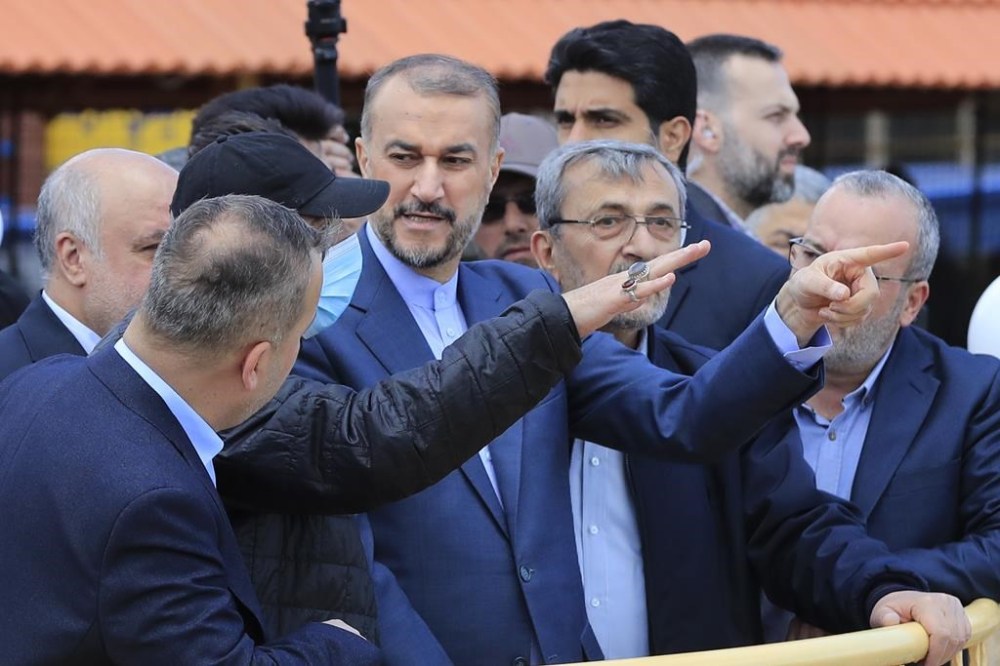
BEIRUT (AP) — Iran’s top diplomat visited Lebanon’s border with Israel on Friday where he expressed support for the Lebanese militant Hezbollah group in its struggle against their common enemy: Israel.
Foreign Minister Hossein Amirabdollahian began his visit to Lebanon since Wednesday, meeting top officials and expressing Tehran’s readiness to help build power stations in an effort to try to end the Mediterranean country’s prevailing electricity crisis.
Lebanon is in the throes of the worst economic crisis in its modern history, rooted in decades of corruption and mismanagement by the small nation’s ruling class. The crisis erupted in October 2019 and has plunged three quarters of Lebanon’s 6 million people, including 1 million Syrian refugees, into poverty.
Earlier this month, Israel launched rare strikes into southern Lebanon, hours after militants fired nearly three dozen rockets from there at Israel, wounding two people and causing some property damage. The Israeli military said at the time that it targeted installations of the Palestinian militant Hamas group in southern Lebanon.
Iran is a main Hezbollah backer and has supplied the militant group over the past decades with weapons and funds.
“We are here today … to declare again with a loud voice that we support the resistance in Lebanon against the Zionist entity,” Amirabdollahian told a gathering that included several Hezbollah legislators in the border village of Maroun al-Ras.
Amirabdollahian’s visit to Lebanon is the first since Iran and Saudi Arabia reached an agreement in China last month to re-establish diplomatic relations and reopen embassies after seven years of tensions.
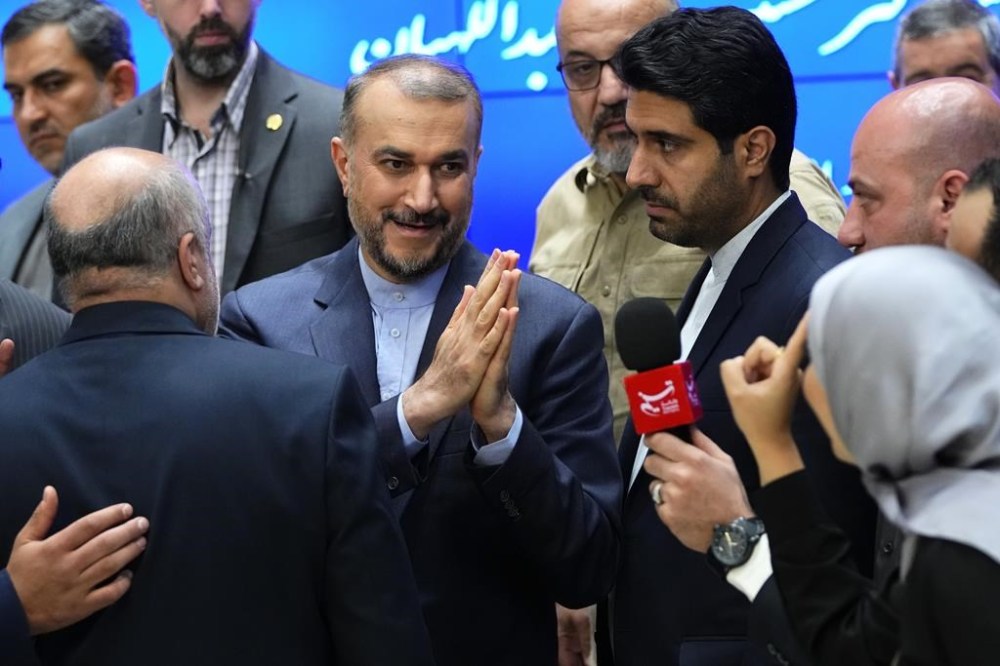
Later Friday, the Iranian diplomat held a news conference at the Iranian Embassy. He said the Riyadh-Tehran agreement will have positive “effects in the region in general.” The two countries will reopen embassies in Tehran and Riyadh “within a few days,” he said, adding that he invited his Saudi counterpart to visit Iran and that the invitation was welcomed.
In neighboring Syria, a pro-government newspaper reported that Iran’s President Ebrahim Raisi will begin a two-day visit to Damascus next Wednesday, the first by an Iranian president to the Syrian capital since 2010.
Iran has also been a main backer of Syrian President Bashar Assad since the uprising that turned into war began in Syria in March 2011, killing nearly half a million people. Tehran has sent Iran-backed fighters from around the Middle East to fight alongside Assad’s forces, helping tip the balance of power in his favor.
The pro-government Al-Watan said Raisi would meet with Assad to boost “strategic cooperation” between the two allies. Several agreements and memorandums of understanding would also be signed during the visit.
Asked about Raisi’s upcoming visit to Damascus, Amirabdollahian only said that “a program and a plan for the visit in the near future” had been prepared, without offering a specific date.
Some oil-rich Arab countries, including Saudi Arabia, have been slowly reconciling with Assad after supporting opposition fighters for years.
___
Associated Press writer Albert Aji in Beirut contributed to this report.