

Air Force looks to better control access to classified data after intelligence leak
Advertisement
Read this article for free:
or
Already have an account? Log in here »
To continue reading, please subscribe:

Digital Subscription
One year of digital access for only $205*
- Enjoy unlimited reading on winnipegfreepress.com
- Read the E-Edition, our digital replica newspaper
- Access News Break, our award-winning app
- Play interactive puzzles
*First annual payment billed as $205.00 + GST for one year. This annual subscription will automatically renew at $233.00 + GST every 52 weeks (10% off the regular annual price of $259.35). Offer available to new and qualified returning subscribers only. Cancel any time.
To continue reading, please subscribe:
Add Free Press access to your Brandon Sun subscription for only an additional
$1 for the first 4 weeks*
- Enjoy unlimited reading on winnipegfreepress.com
- Read the E-Edition, our digital replica newspaper
- Access News Break, our award-winning app
- Play interactive puzzles
*Your next Brandon Sun subscription payment will increase by $1.00 and you will be charged $17.95 plus GST for four weeks. After four weeks, your payment will increase to $24.95 plus GST every four weeks.
Read unlimited articles for free today:
or
Already have an account? Log in here »
Hey there, time traveller!
This article was published 22/05/2023 (1223 days ago), so information in it may no longer be current.
WASHINGTON (AP) — The Air Force said Monday it is looking at ways to better control access to classified information, in the wake of revelations that superiors of the Massachusetts Air National Guard member charged with leaking highly classified documents had raised concerns internally about his handling of sensitive data.
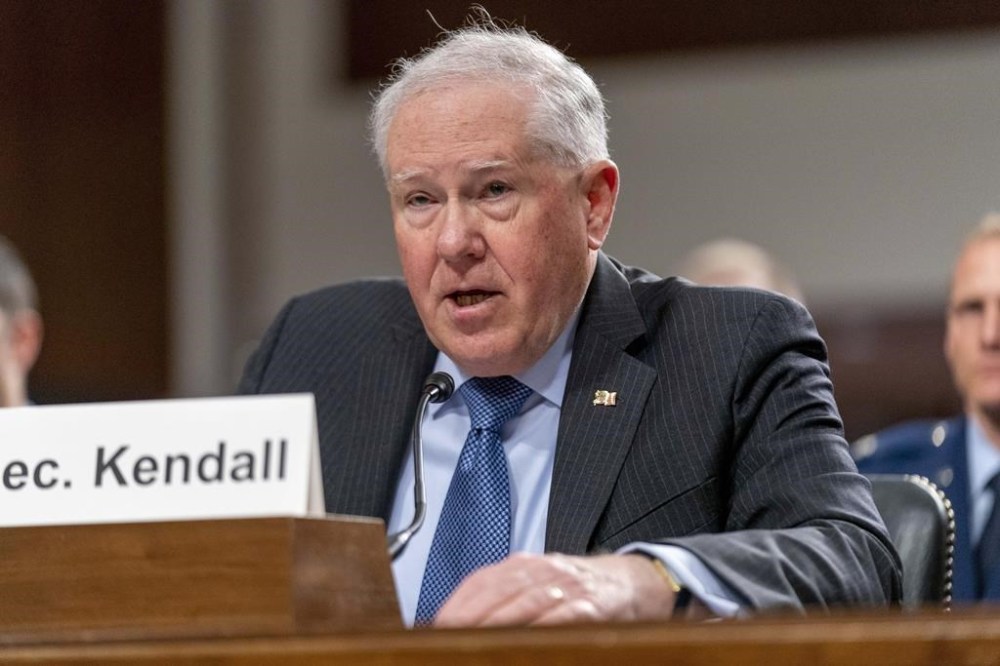
Secretary Frank Kendall told reporters that the Air Force needs to better enforce the rules that govern access to classified information based on whether someone with the correct security clearance also has a need to know the information.
“It’s a long standing tenet that you don’t get to look at something classified unless there’s a legitimate reason for you to look at it,” Kendall said. “Just because you happen to have a certain level of clearance doesn’t mean you get access to all the material at that level. So we’re taking a hard look at some practices around that.” He said he doesn’t think the service enforced that rule strongly enough.
Justice Department lawyers last week said superiors voiced concerns on multiple occasions about Air Guard member Jack Teixeira’s handling of highly classified information. They laid out the issue in court papers urging a magistrate judge to keep Teixeira behind bars while he awaits trial in the case stemming from the most consequential intelligence leak in years.
Teixeira is accused of sharing highly classified documents about top national security issues in a chatroom on Discord, a social media platform that started as a hangout for gamers. He has not yet entered a plea.
As a result of the case, Kendall gave Air Force leaders 30 days to take a close look at their practices and determine if the department is prioritizing the need to get information about operations to those who need it and being careful enough about spreading intelligence too broadly. The inspector general is also investigating the matter.
He said there are ways to tweak digital systems so when classified information is put online not everyone with proper clearance on that system automatically gets access to it.
Prosecutors told the judge in their filing that Teixeira continued leaking documents even after he was admonished by superiors on two separate occasions last year over “concerning actions” he took related to classified information.
A September memo from the Air National Guard 102nd Intelligence Wing that prosecutors filed in court says Teixeira had been observed taking notes on classified intelligence information and putting the notes in his pocket. Teixeira was instructed at the time to no longer take notes in any form on classified intelligence information, the memo says.
Another memo from late October says a superior had been made aware that Teixeira was “potentially ignoring the cease-and-desist order on deep diving into intelligence information” given to him the month before. The memo says Teixeira attended a meeting and proceeded to ask “very specific questions.” He was told again to focus on his job, not any “deep dives” into classified intelligence information.
The revelations have raised questions about why military officials did not take further action and why Teixeira continued to have access to classified information after his superiors raised concerns.