

UN judges declare 88-year-old Rwandan genocide suspect unfit to stand trial because of dementia
Advertisement
Read this article for free:
or
Already have an account? Log in here »
To continue reading, please subscribe:

Digital Subscription
One year of digital access for only $205*
- Enjoy unlimited reading on winnipegfreepress.com
- Read the E-Edition, our digital replica newspaper
- Access News Break, our award-winning app
- Play interactive puzzles
*First annual payment billed as $205.00 + GST for one year. This annual subscription will automatically renew at $233.00 + GST every 52 weeks (10% off the regular annual price of $259.35). Offer available to new and qualified returning subscribers only. Cancel any time.
To continue reading, please subscribe:
Add Free Press access to your Brandon Sun subscription for only an additional
$1 for the first 4 weeks*
- Enjoy unlimited reading on winnipegfreepress.com
- Read the E-Edition, our digital replica newspaper
- Access News Break, our award-winning app
- Play interactive puzzles
*Your next Brandon Sun subscription payment will increase by $1.00 and you will be charged $17.95 plus GST for four weeks. After four weeks, your payment will increase to $24.95 plus GST every four weeks.
Read unlimited articles for free today:
or
Already have an account? Log in here »
Hey there, time traveller!
This article was published 07/06/2023 (1213 days ago), so information in it may no longer be current.
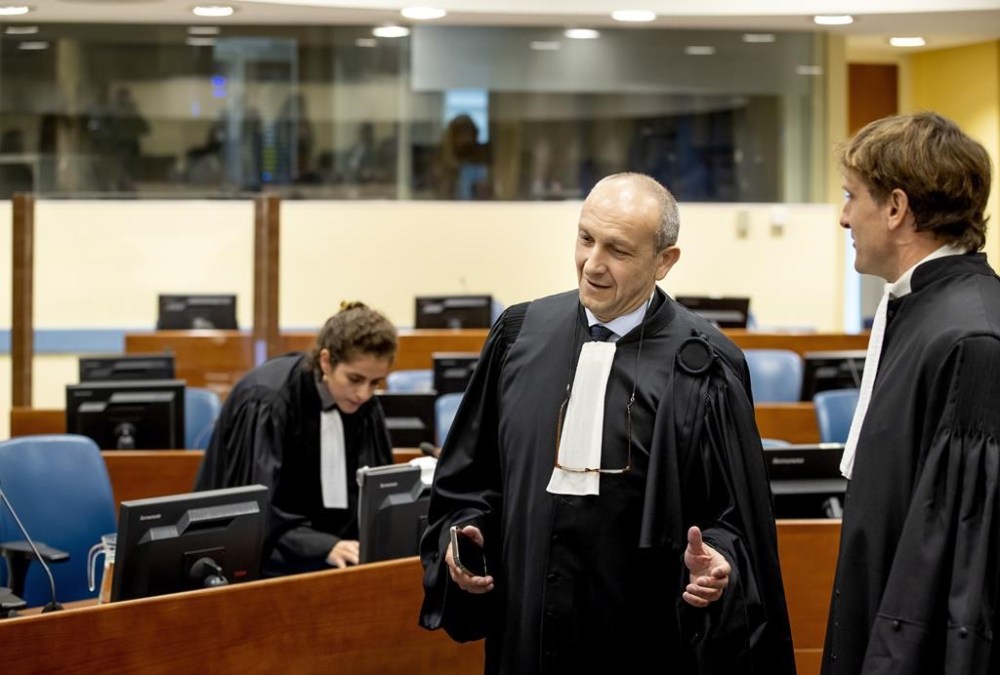
THE HAGUE, Netherlands (AP) — United Nations judges have declared an 88-year-old Rwandan genocide suspect unfit to continue standing trial because he has dementia and said they would establish a procedure to go on hearing evidence without the possibility of convicting him.
The majority decision published Wednesday by judges at the International Residual Mechanism for Criminal Tribunals means no guilty verdict can be reached in the trial of Félicien Kabuga, one of the last fugitives charged in connection with the 1994 genocide.
Kabuga is accused of encouraging and bankrolling the mass killing of Rwanda’s Tutsi minority. His trial began last year, nearly three decades after the 100-day massacre left 800,000 dead. He is in custody at a U.N. detention unit in The Hague, and isn’t expected to be released for now despite the judges’ ruling.
The judges’ decision disappointed many Rwandans.
Yolande Mukakasana, a genocide survivor and writer, said that the judges who say Kabuga is unfit to stand trial should be tried too, asserting that their action could promote genocide denial.
“Kabuga’s actions during genocide led to the death of old innocent people who were older than Kabuga. I know people who were too old to walk but killed on account of being Tutsi,” Mukakasana said.
“The decision by the court is likely to undermine the spirit of reconciliation going on in Rwanda. As a genocide survivor, I don’t understand this.”
Justin Karangwa, another genocide survivor and a teacher, said the crime of genocide needs severe punishment.
Medical experts who have closely monitored Kabuga’s health said the “consequences of dementia deprive Mr. Kabuga of the capabilities necessary for meaningful participation in a trial” and “he will not recover these capacities because his condition is characterized by progressive and irreversible decline.”
In a written decision, the judges said that they therefore would set up “an alternative finding procedure that resembles a trial as closely as possible, but without the possibility of a conviction.”
Kabuga is charged with genocide, incitement to commit genocide, conspiracy to commit genocide as well as persecution, extermination and murder. He pleaded not guilty. If he were convicted, he would have faced a maximum sentence of life imprisonment.
At the opening of his trial in September, prosecution lawyer Rashid Rashid described Kabuga as an enthusiastic supporter of the Tutsi slaughter who armed, trained and encouraged murderous Hutu militias known as Interahamwe.
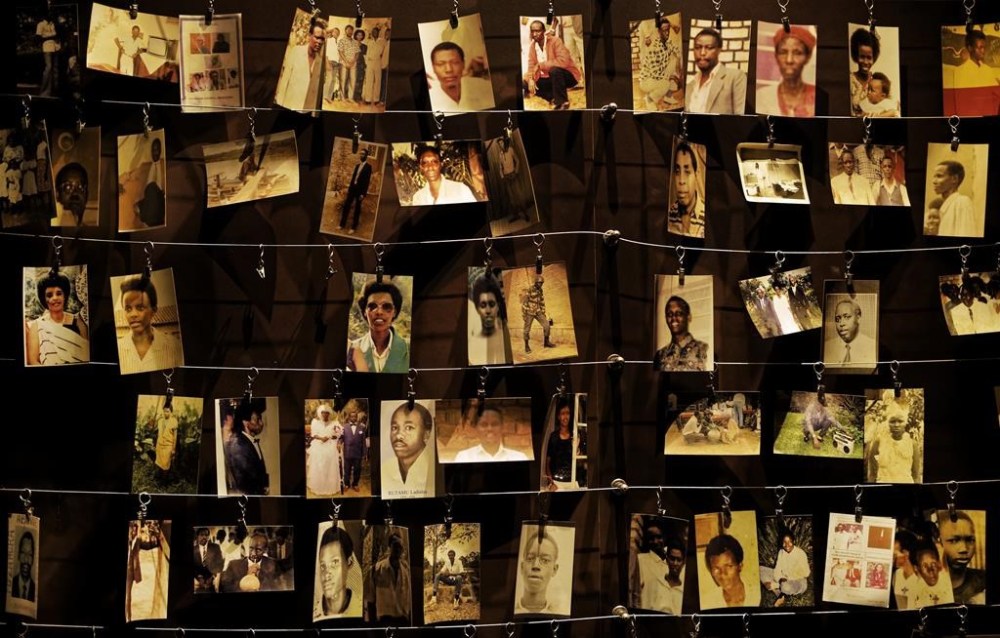
The genocide was triggered on April 6, 1994, when a plane carrying President Juvénal Habyarimana was shot down and crashed in the capital, Kigali, killing the leader who, like the majority of Rwandans, was an ethnic Hutu. Kabuga’s daughter married Habyarimana’s son.
The Tutsi minority was blamed for downing the plane. Bands of Hutu extremists began slaughtering Tutsis and their perceived supporters, with help from the army, police, and militias.
After years as a fugitive from international justice, Kabuga, who had a $5 million bounty on his head, was arrested near Paris in May 2020. He was transferred to The Hague to stand trial at the residual mechanism, a court that deals with remaining cases from the now-closed U.N. tribunals for Rwanda and the Balkan wars.
Wednesday’s decision in his case came about two weeks after one of the most wanted suspects in Rwanda’s genocide, Fulgence Kayishema, who is suspected of orchestrating the killing of more than 2,000 people at a church nearly three decades ago, was arrested in South Africa after 22 years on the run.
___
Ignatius Ssuuna contributed to this report from Kigali, Rwanda.