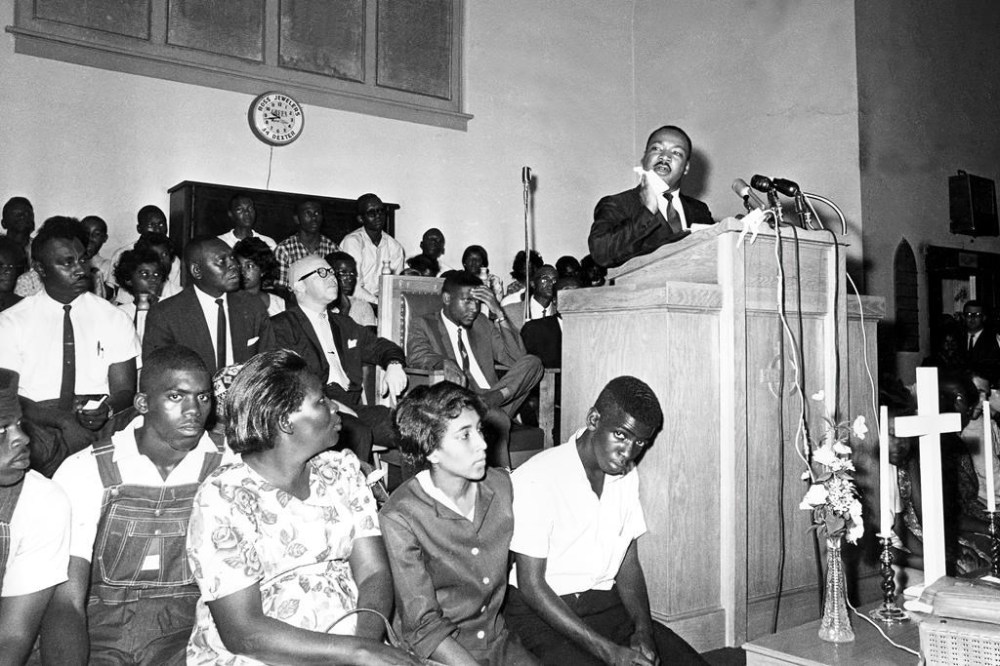
Voices from the violent civil rights era see attacks on voting rights as part of ongoing struggle
Advertisement
Read this article for free:
or
Already have an account? Log in here »
To continue reading, please subscribe:

Digital Subscription
One year of digital access for only $205*
- Enjoy unlimited reading on winnipegfreepress.com
- Read the E-Edition, our digital replica newspaper
- Access News Break, our award-winning app
- Play interactive puzzles
*First annual payment billed as $205.00 + GST for one year. This annual subscription will automatically renew at $233.00 + GST every 52 weeks (10% off the regular annual price of $259.35). Offer available to new and qualified returning subscribers only. Cancel any time.
To continue reading, please subscribe:
Add Free Press access to your Brandon Sun subscription for only an additional
$1 for the first 4 weeks*
- Enjoy unlimited reading on winnipegfreepress.com
- Read the E-Edition, our digital replica newspaper
- Access News Break, our award-winning app
- Play interactive puzzles
*Your next Brandon Sun subscription payment will increase by $1.00 and you will be charged $17.95 plus GST for four weeks. After four weeks, your payment will increase to $24.95 plus GST every four weeks.
Read unlimited articles for free today:
or
Already have an account? Log in here »
Hey there, time traveller!
This article was published 07/06/2023 (1219 days ago), so information in it may no longer be current.
They are part of a small, vanishing group who lived at the epicenter of the struggle for voting rights six decades ago, an era driven by segregation, violence and the yearning for equality that eventually led to laws bringing the U.S. closer to its promise of democracy for all its citizens.
They reflect on the times and their struggles, and why they are certain it all was worth it. On Thursday, a majority of the Supreme Court seemed to reinforce that view by siding with Black voters in a congressional redistricting case from Alabama.
Ten years ago this month, the court halted what many consider the heart of that landmark law — the ability of the Justice Department to enforce it in states and counties with a history of voter suppression.
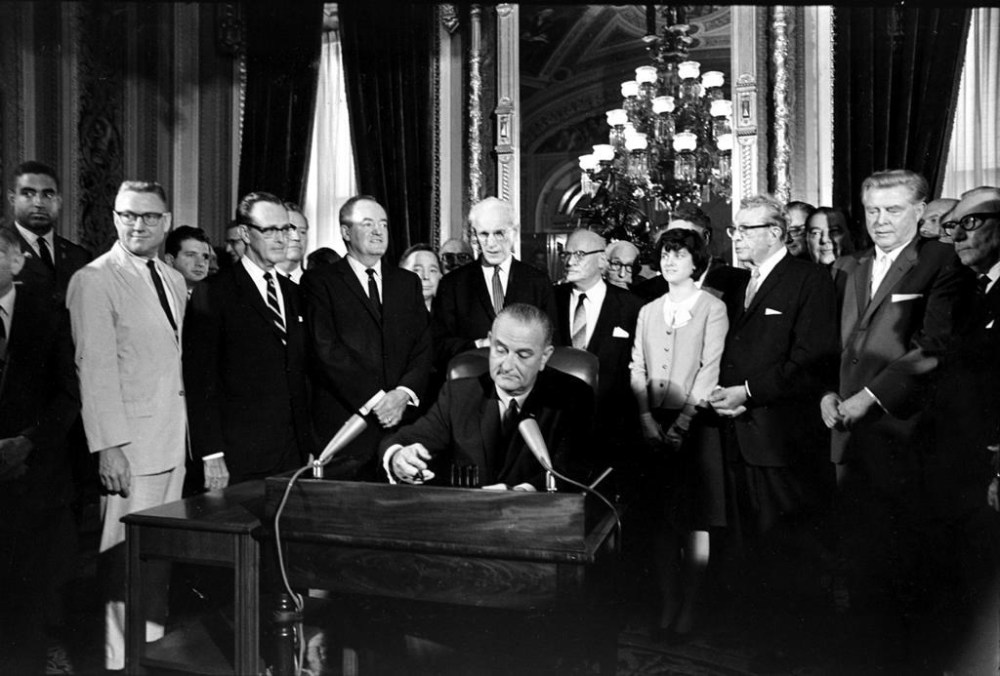
The stories from those on the front lines of history recount tragedy, racism, oppression and ultimately hope in seeing a president sign into law a measure designed to ensure equal access to the ballot and fair representation in the halls of political power — from city councils to statehouses to Congress.
Stephen Schwerner lost a brother, murdered in Mississippi trying to register Black people to vote. Nearly 60 years after the Voting Rights Act was signed, he remains immensely proud of his brother, Mickey Schwerner, but with a great sense of loss: “I don’t think anybody in our family has ever gotten over it.”
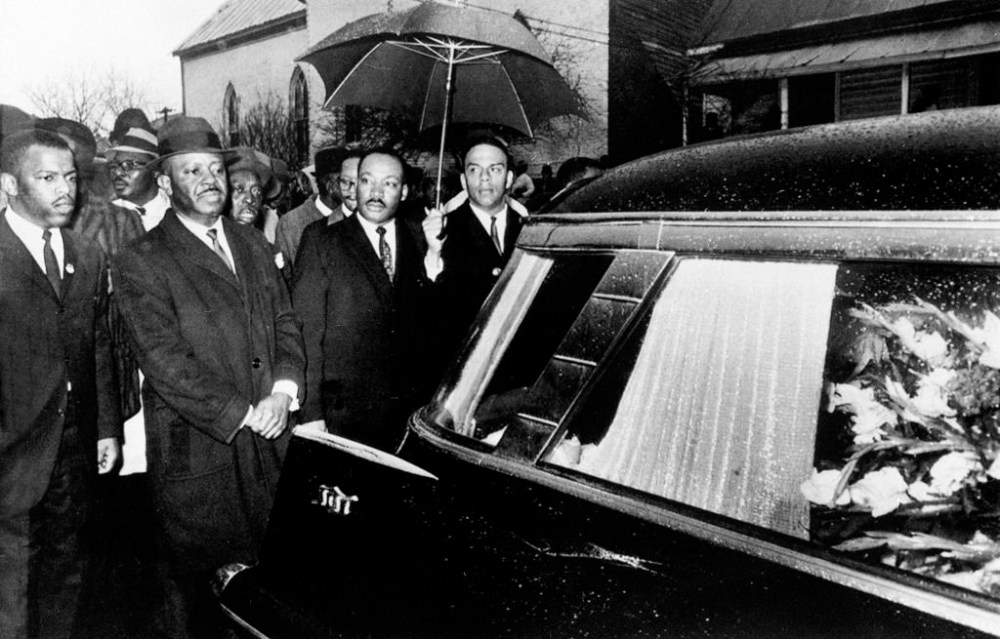
Andrew Young walked with Martin Luther King Jr., on the long road to equality and was with him when he died in Memphis in 1968. Seeing the continued attempts to chip away at voting rights, he knows there are more battles to be fought: “I never thought that the United States or anybody else would be perfect, but I thought we would be constantly getting better.”
Luci Johnson was a teenager when she witnessed “one of the most historic occasions of the 20th century” — her father, former President Lyndon Johnson, signing the law ensuring access to the ballot for people of color. If she could convey a message to Supreme Court justices as they consider another challenge to the Voting Rights Act, it would be for them to remember “what a privilege they all have with access to the voting booth. I would tell them to do all that they can to make liberty and justice a right for all Americans.”
Joel Finkelstein was a young lawyer helping draft the document that became the Voting Rights Act of 1965, overwhelmed to be an accidental witness at the signing and yet unaware of the measure’s magnitude. He remains hopeful, even as voting rights have been eroded over the past decade: “Somehow this country digs out of these messes with people who you never would expect would be there. Go look at 1860. We got Abraham Lincoln, a country lawyer, self-educated out of Illinois, and he became our greatest president, one of the wisest men we would ever have hold public office.”
Norman Hill moved from the protests over civil rights to the organization and political clout of the labor movement, where he helped build a groundswell for voting rights. Now in his ninth decade, Hill said the fight must continue, “not just today, not just tomorrow but as long as we live and breathe.”
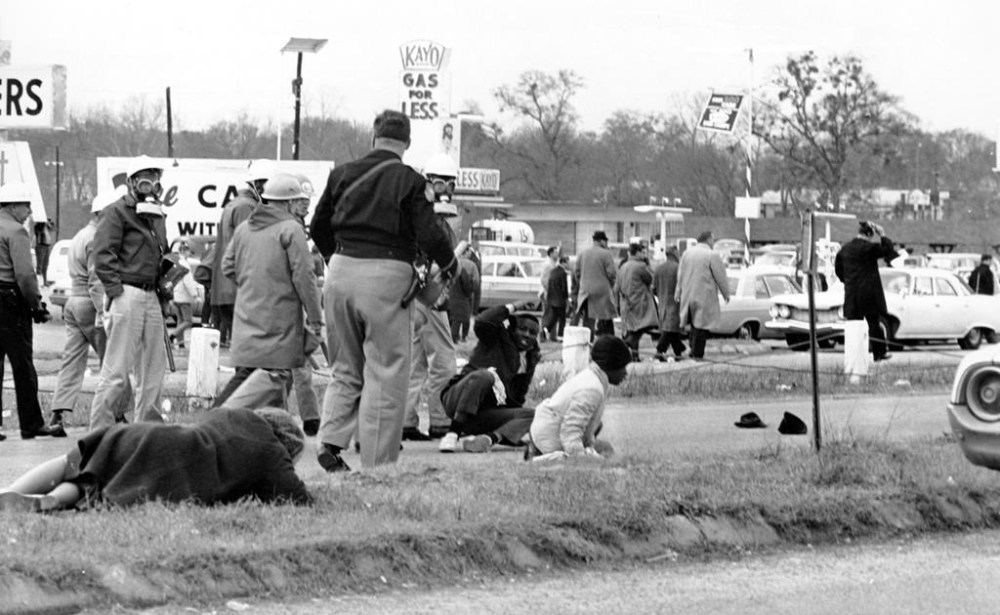
Della Simpson Maynor was a teenager who pushed herself to the front of a protest in the small town of Marion, Alabama, and was terrified when police clubbed a pastor who was kneeling to pray. Police later struck her with a club as she tried to get away, and she would hear the gunshot from a state trooper that fatally wounded a young church deacon, Jimmie Lee Jackson. His death prompted a march starting in Selma, which would lead to one of the most violent days of the Civil Rights Movement, Bloody Sunday, when police beat protesters trying to cross the Edmund Pettus Bridge: “Without Bloody Sunday, there would have been no voting rights. But without Jimmie Lee Jackson, there would have been no Bloody Sunday.”
Their voices echo across the past six decades, in searing debates over race, equal treatment and what it means to be an American citizen.
___
The Associated Press coverage of race and voting receives support from the Jonathan Logan Family Foundation. See more about AP’s democracy initiative here. The AP is solely responsible for all content.