

Maine Legislature vote expands sovereignty for Native American tribes
Advertisement
Read this article for free:
or
Already have an account? Log in here »
To continue reading, please subscribe:

Digital Subscription
One year of digital access for only $205*
- Enjoy unlimited reading on winnipegfreepress.com
- Read the E-Edition, our digital replica newspaper
- Access News Break, our award-winning app
- Play interactive puzzles
*First annual payment billed as $205.00 + GST for one year. This annual subscription will automatically renew at $233.00 + GST every 52 weeks (10% off the regular annual price of $259.35). Offer available to new and qualified returning subscribers only. Cancel any time.
To continue reading, please subscribe:
Add Free Press access to your Brandon Sun subscription for only an additional
$1 for the first 4 weeks*
- Enjoy unlimited reading on winnipegfreepress.com
- Read the E-Edition, our digital replica newspaper
- Access News Break, our award-winning app
- Play interactive puzzles
*Your next Brandon Sun subscription payment will increase by $1.00 and you will be charged $17.95 plus GST for four weeks. After four weeks, your payment will increase to $24.95 plus GST every four weeks.
Read unlimited articles for free today:
or
Already have an account? Log in here »
Hey there, time traveller!
This article was published 22/06/2023 (1192 days ago), so information in it may no longer be current.
PORTLAND, Maine (AP) — Native American tribes in Maine took an important step toward greater sovereignty as the state Legislature voted to let most federal laws apply to Wabanaki tribes, putting them on the same footing as other federally recognized tribes across the country.
Both the Maine House and Senate approved the bill with enough support Wednesday to overcome a potential veto of the bill.
“Today signifies a landmark victory in the pursuit of Wabanaki self-determination,” Penobscot Nation Chief Kirk Francis said Thursday in a statement. The Penobscot are one member of the Wabanaki Nations, which encompasses Indigenous peoples living in what is now Maine.
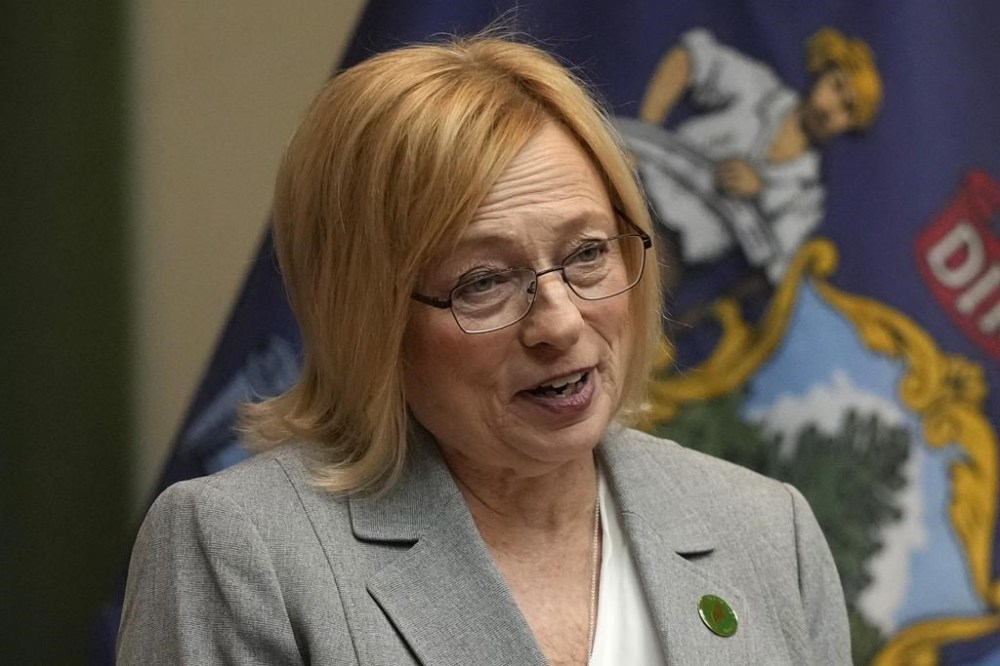
Democratic Gov. Janet Mills has opposed the bill, sponsored by House Speaker Rachel Talbot Ross, expressing concerns that it could lead to confusion and lawsuits. Her office had no immediate comment on the legislative action.
Tribes in Maine are set apart from the other 570 federally recognized tribes across the country because of the Maine Indian Claims Settlement Act, which stipulates they’re bound by state law and treats tribal reservations much like municipalities. That 1980 settlement for the Passamaquoddy, Penobscot and Maliseet, along with a 1991 agreement for the Mi’kmaq, set the tribes apart from others in the country.
In March, tribal leaders in Maine used their first address to the Maine Legislature in two decades to call for greater autonomy after a sovereignty proposal stalled last year.
“Let’s take a small step, placing the Wabanaki tribes on the same footing as the other 570 federally recognized tribes across the country,” Republican Rep. Mark Babin of Fort Fairfield said Wednesday, speaking in support of the proposal at the Maine State House in Augusta.
Rep. Aaron Dana, who is the Passamaquoddy tribal representative, cited a specific example to show how the current system is failing: After pipes froze at a health clinic during a cold snap, his tribe was not able to seek direct aid from the Federal Emergency Management Agency like others could have done in the same situation.
He thanked lawmakers for their bipartisan support for the proposal. “Both sides of the aisle understand tribal issues are not partisan issues, they’re Maine issues,” he said Thursday.
Senate President Troy Jackson said the Legislature’s action makes strides in repairing tribal relationship after previous “symbolic gestures and empty promises.”
“This is by no means the end of our work to respect our neighbors inherent rights and restore this vital relationship. But it is an enormous step in the right direction,” he said.
___
Follow David Sharp on Twitter @David_Sharp_AP