

Global chemical weapons watchdog says it found no evidence to back Syrian claim of 2017 gas attack
Advertisement
Read this article for free:
or
Already have an account? Log in here »
To continue reading, please subscribe:

Digital Subscription
One year of digital access for only $205*
- Enjoy unlimited reading on winnipegfreepress.com
- Read the E-Edition, our digital replica newspaper
- Access News Break, our award-winning app
- Play interactive puzzles
*First annual payment billed as $205.00 + GST for one year. This annual subscription will automatically renew at $233.00 + GST every 52 weeks (10% off the regular annual price of $259.35). Offer available to new and qualified returning subscribers only. Cancel any time.
To continue reading, please subscribe:
Add Free Press access to your Brandon Sun subscription for only an additional
$1 for the first 4 weeks*
- Enjoy unlimited reading on winnipegfreepress.com
- Read the E-Edition, our digital replica newspaper
- Access News Break, our award-winning app
- Play interactive puzzles
*Your next Brandon Sun subscription payment will increase by $1.00 and you will be charged $17.95 plus GST for four weeks. After four weeks, your payment will increase to $24.95 plus GST every four weeks.
Read unlimited articles for free today:
or
Already have an account? Log in here »
Hey there, time traveller!
This article was published 04/07/2023 (1189 days ago), so information in it may no longer be current.
THE HAGUE, Netherlands (AP) — The global chemical weapons watchdog said Tuesday it found no evidence to support a claim by Syria that its forces were attacked using toxic gas in 2017.
The Organization for the Prohibition of Chemical Weapons said that its fact-finding mission concluded that “there are no reasonable grounds to determine that chemicals were used as a weapon” in two incidents in July and August 2017 in Massasneh, a village in the central province of Hama.
Syria asked the OPCW to investigate after reporting a “mortar attack with poisonous gas” on its army in the town in fighting with rebels.
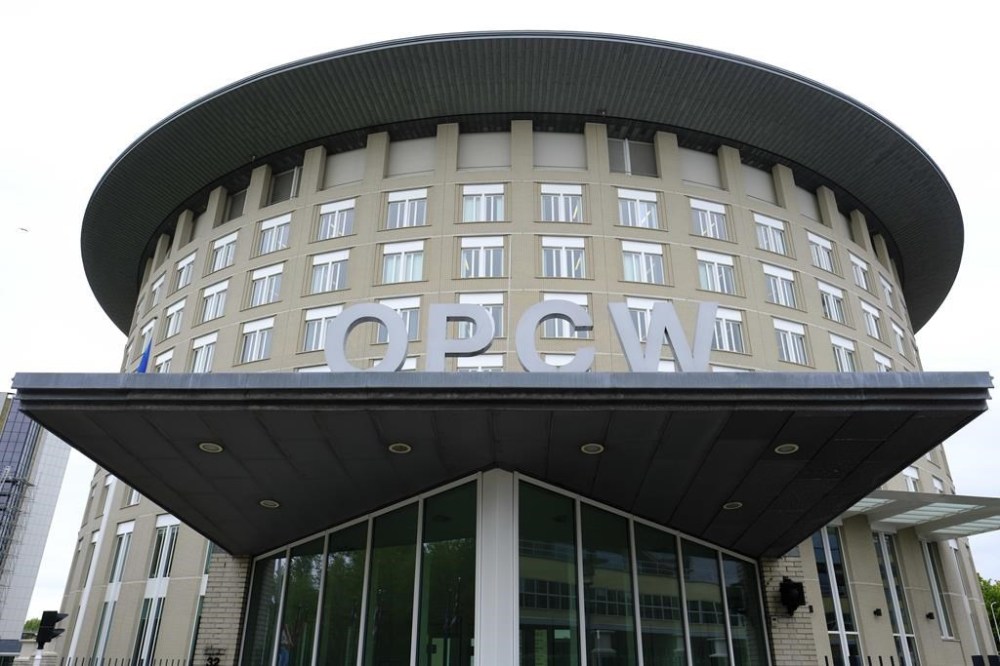
The watchdog sent a team to Syria three times to investigate and interview witnesses but they found no evidence of a gas attack, according to the Fact-Finding Mission report.
The fact-finding mission has issued 20 reports covering 73 instances of alleged chemical weapons use in Syria. It has found that chemical weapons were used or likely used in 20 incidents. The mission is not mandated to apportion blame for such attacks.
Another investigative team at the OPCW that seeks to identify forces responsible for using chemical weapons has found evidence indicating repeated use of chemical weapons by Syria in the country’s grinding civil war. States at the Hague-based OPCW suspended Damascus’ voting rights at the organization in 2021 over the attacks.
Syria, which joined the organization in 2013 after being threatened with airstrikes in response to a chemical attack on the outskirts of the country’s capital, has denied using chemical weapons.