

After secret documents leak, Pentagon plans tighter controls to protect classified information
Advertisement
Read this article for free:
or
Already have an account? Log in here »
To continue reading, please subscribe:

Digital Subscription
One year of digital access for only $205*
- Enjoy unlimited reading on winnipegfreepress.com
- Read the E-Edition, our digital replica newspaper
- Access News Break, our award-winning app
- Play interactive puzzles
*First annual payment billed as $205.00 + GST for one year. This annual subscription will automatically renew at $233.00 + GST every 52 weeks (10% off the regular annual price of $259.35). Offer available to new and qualified returning subscribers only. Cancel any time.
To continue reading, please subscribe:
Add Free Press access to your Brandon Sun subscription for only an additional
$1 for the first 4 weeks*
- Enjoy unlimited reading on winnipegfreepress.com
- Read the E-Edition, our digital replica newspaper
- Access News Break, our award-winning app
- Play interactive puzzles
*Your next Brandon Sun subscription payment will increase by $1.00 and you will be charged $17.95 plus GST for four weeks. After four weeks, your payment will increase to $24.95 plus GST every four weeks.
Read unlimited articles for free today:
or
Already have an account? Log in here »
Hey there, time traveller!
This article was published 05/07/2023 (1168 days ago), so information in it may no longer be current.
WASHINGTON (AP) — The Pentagon on Wednesday announced plans to tighten protection for classified information following the explosive leaks of hundreds of intelligence documents that were accessed through security gaps at a Massachusetts Air National Guard base.
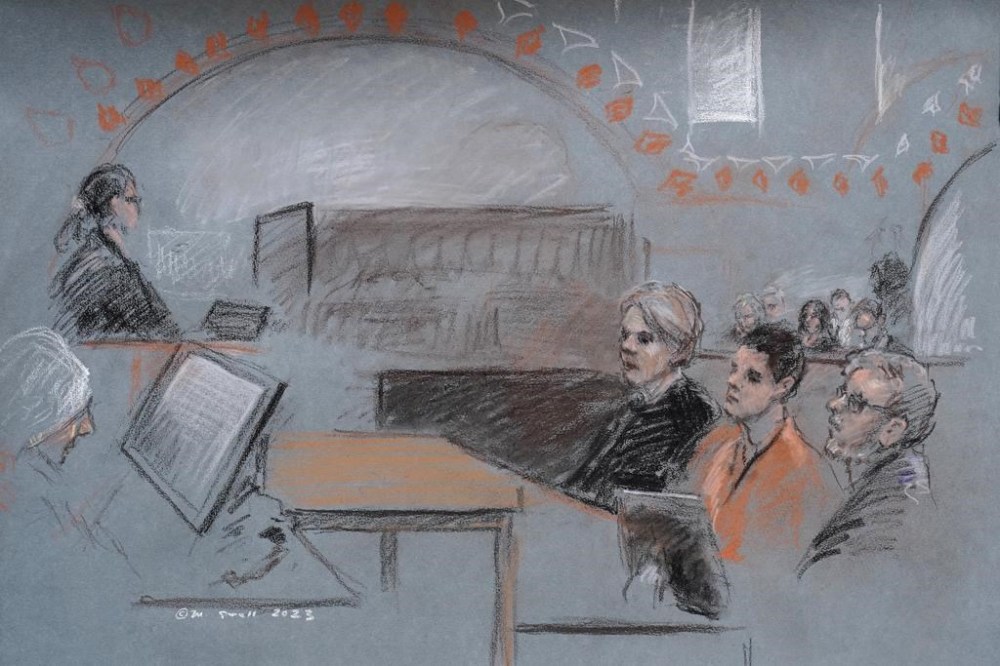
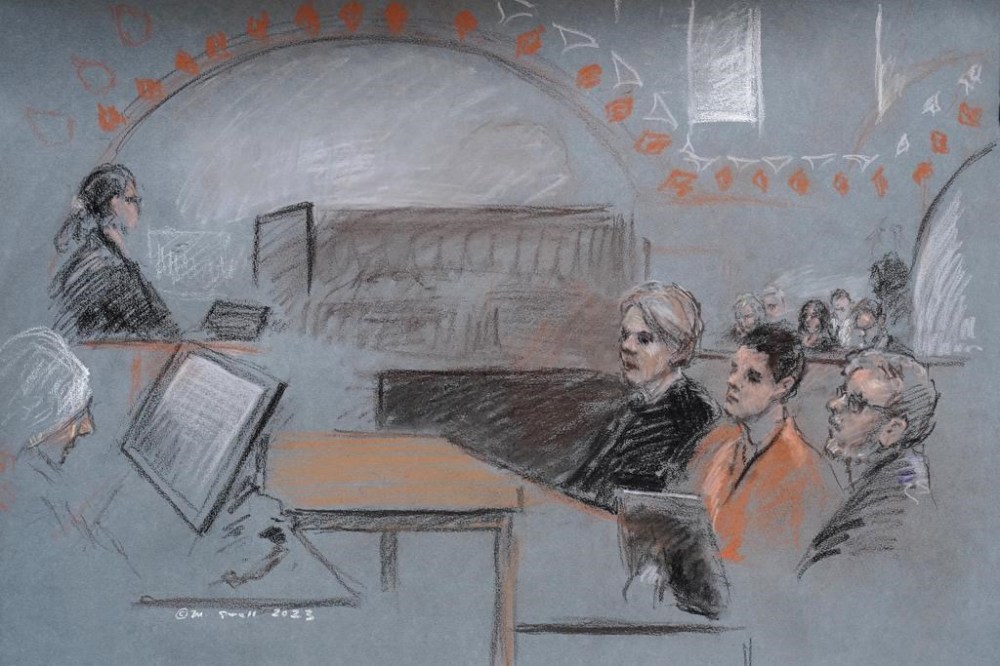
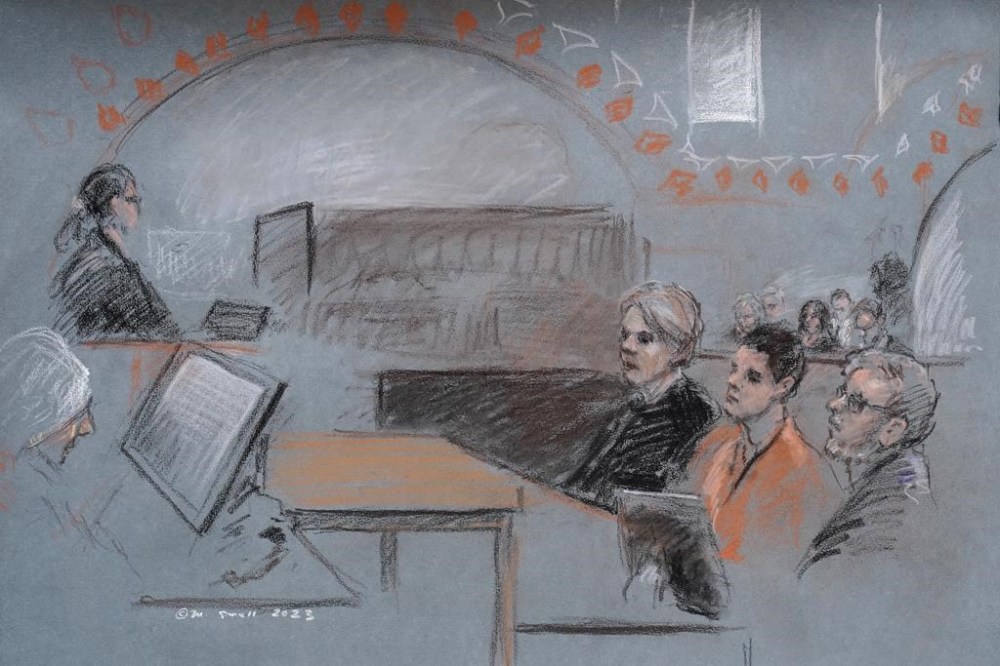
Airman 1st Class Jack Teixeira, 21, is accused of leaking the highly classified military documents in a chatroom on Discord, a social media platform that started as a hangout for gamers.
Defense Secretary Lloyd Austin, in a memo released Wednesday, ordered all of the department’s secured rooms where classified information is stored and accessed to be brought into compliance with intelligence community standards for oversight and tracking. The changes call for increased levels of physical security, additional controls to ensure documents aren’t improperly removed, and the assignment of top-secret control officers to monitor users.
A senior defense official who briefed reporters on the new directives said the department is trying to increase accountability, using technology that can better track what workers are doing and what information they are accessing. But at the same time, the official said, defense leaders don’t want to impede the ability to share critical information across the government when necessary.
Asked if the department is trying to limit the number of people who have access to classified information, the defense official said it is an effort to ensure that the department is properly determining what information each person may access and making sure that employees have a need to know the classified material they are reading.
The official spoke on condition of anonymity in accordance with Pentagon ground rules for the briefing.
In the memo, Austin also said the sensitive compartmented information facilities, or SCIFs, must be monitored to prevent the use of electronic devices inside the rooms. That effort would include “appropriate electronic device detection systems and mitigation measures” inside the secure areas, according to the memo.
According to authorities, Teixeira, who enlisted in the Air National Guard in 2019, began sharing military secrets first by typing out classified documents and later by removing classified documents from the base and taking them home to photograph them.
Teixeira worked as a a “cyber transport systems specialist,” essentially an IT specialist responsible for military communications networks, which gave him wide access to the military’s classified computing networks.
The case highlighted the potential vulnerabilities the department faces as it works to safeguard classified information at military facilities across the globe that have varying security procedures and layers of protection, said the senior defense official.
“There wasn’t a single point of failure,” the official added.
Court filings in Teixeira’s case revealed that Air National Guard supervisors warned him at least three times about improper access to classified information, but no further action to restrict his clearance or access was taken.
The official said one of the concerns the department found in its review was that facilities that were farther from headquarters had ambiguity on some of the military’s classified information policies, such as when a security violation was required to be reported higher up the chain of command.
Teixeira pleaded not guilty last month to federal felony charges.
The stunning breach exposed to the world unvarnished secret assessments of Russia’s war in Ukraine, the capabilities and geopolitical interests of other nations and other national security issues. It has led to sweeping security reviews looking at the large number of users who have access to top secret information, who is tracking them, and whether or not they have a need to know.
Austin also directed the Defense Counterintelligence and Security Agency to develop ways to more quickly flag and communicate concerns to local commanders about personnel, such as by improving how “continuous vetting information” — any updated reports on criminal records, credit reports or other indicators that are tracked as part of background checks — can be more quickly shared to flag a potential security risk.
An estimated 4 million people hold U.S. security clearances, according to a 2017 report from the Office of the Director of National Intelligence. Of those, roughly 1.3 million are cleared to access top-secret information.
The Defense Department has previously been criticized for delays vetting new employees for security clearances and for over-classifying information. Officials have tried to balance those concerns against efforts to come up with ways to better protect the documents without further slowing down needed access to information, the official said.
More recent figures weren’t immediately available. But some lawmakers have long wanted to update the U.S. system of classifying information and add safeguards for how documents are stored and tracked.
____
Associated Press writers Nomaan Merchant and Eric Tucker contributed to this report.