

Tribal sovereignty bill falters as Maine lawmakers fail to override governor’s veto
Advertisement
Read this article for free:
or
Already have an account? Log in here »
To continue reading, please subscribe:

Digital Subscription
One year of digital access for only $205*
- Enjoy unlimited reading on winnipegfreepress.com
- Read the E-Edition, our digital replica newspaper
- Access News Break, our award-winning app
- Play interactive puzzles
*First annual payment billed as $205.00 + GST for one year. This annual subscription will automatically renew at $233.00 + GST every 52 weeks (10% off the regular annual price of $259.35). Offer available to new and qualified returning subscribers only. Cancel any time.
To continue reading, please subscribe:
Add Free Press access to your Brandon Sun subscription for only an additional
$1 for the first 4 weeks*
- Enjoy unlimited reading on winnipegfreepress.com
- Read the E-Edition, our digital replica newspaper
- Access News Break, our award-winning app
- Play interactive puzzles
*Your next Brandon Sun subscription payment will increase by $1.00 and you will be charged $17.95 plus GST for four weeks. After four weeks, your payment will increase to $24.95 plus GST every four weeks.
Read unlimited articles for free today:
or
Already have an account? Log in here »
Hey there, time traveller!
This article was published 06/07/2023 (1196 days ago), so information in it may no longer be current.
AUGUSTA, Maine (AP) — Maine lawmakers failed Thursday to override the governor’s veto of a bill that would have expanded the sovereignty of Native American tribes in the state by ensuring more federal laws apply to them.
It’s a defeat for the tribes, which are bound by a land claims settlement that puts them on different footing than the nation’s other 570 federally recognized tribes.
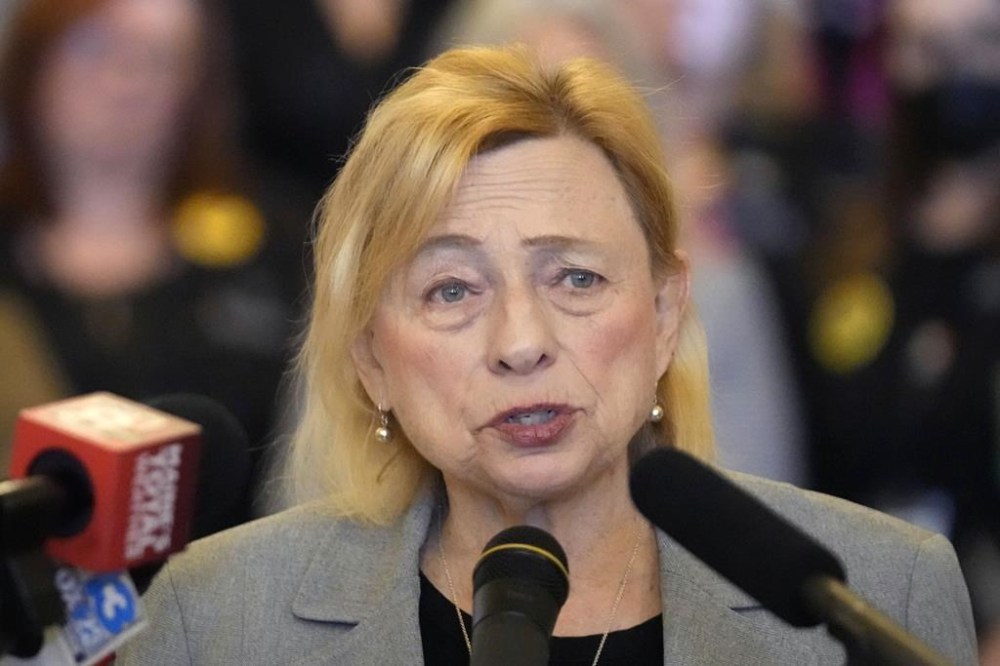
Both chambers had voted to enact the bill with big-enough majorities to override the veto, but some House members backtracked under pressure by Democratic Gov. Janet Mills. She contends the bill was vague and would lead to lengthy and contentious litigation in coming years.
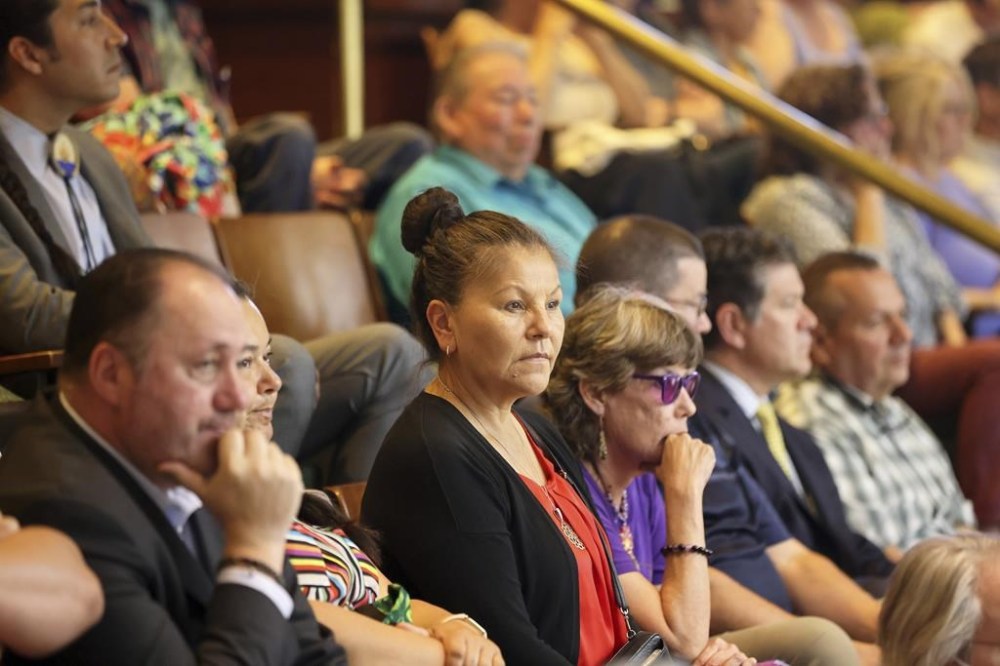
The 84-57 House vote fell short of a two-thirds majority after tribal Rep. Aaron Dana, a Passamaquoddy, implored lawmakers to vote for the tribes, saying they want the same thing that the nation’s Founding Fathers wanted.
“We seek equality. We seek life, liberty and the pursuit of happiness. And we seek the liberty and the pursuit of happiness under a relationship where we have the access to the laws passed by Congress to make native communities safer and healthier,” he said. “Nothing more, nothing less.”
Tribal leaders criticized the governor, calling her an impediment to progress, while offering thanks to lawmakers for their support.
“It’s extremely disappointing that the governor insists on keeping her thumb on the tribes and the Legislature. She clearly will not be deterred from using any authority she has to oppress the tribes,” said Chief Rena Newell of the Passamaquoddy Tribe at Sipayik.
Mills, for her part, said she remains willing to work with the tribes to ensure they’re not excluded from benefits generally available to other federally recognized tribes, and called for a “collaborative, respectful approach” that she said has been successful in the past.
It was an important bill for tribes in Maine who’ve long regretted trading some of their rights to the state under an $81.5 million settlement that was signed by President Jimmy Carter in 1980.
The agreement for the Passamaquoddy, Penobscot and Maliseet, along with a 1991 agreement for the Mi’kmaq, allows them to be treated much like municipalities subject to state law instead of dealing directly with the federal government like other tribes. The agreement allowed the tribes to acquire tracts of land as long as they stayed under state law and let them receive state education dollars. But the relationship also led to disagreements, and several lawsuits.
The governor contends tribal properties complicate jurisdictional concerns because so many landowners abut tribe-owned land. The governor also says just a handful of federal laws don’t apply to the tribes in Maine — such as the Indian Healthcare Improvement Act and the federal law governing disaster response — and that those can be handled on a case by case basis.
Mills has urged the tribes, the attorney general and other parties to work together to craft a proposal that is “clear, thoroughly vetted, and well understood by all parties.”
But the tribes increasingly see her as standing in the way of changes they say are necessary to improve their lives. Last week, Penobscot Nation Chief Kirk Francis said he thinks the governor wants “to protect an old guard and old mindset” by maintaining the status quo. And Dana, the tribal representative, said Thursday that some of the governor’s comments about the legislation were “dangerous and misleading.”
Supporters contend the the proposal specifically carved out certain federal laws including the Clean Water Act, Indian Mineral Development Act, Water Quality Act and Indian Gaming Regulatory Act. But the governor contends the bill’s language failed to achieve the goal.
The day started on a positive note with regards to tribal relations. The governor announced she signed a bill to ensure the later settlement with the Mi’kmaq better aligns with rights and benefits of the other tribes. The governor said it proves what can be accomplished with “dialogue and collaboration.” She also signed two other tribal-related bills.
In March, tribal leaders in Maine used their first address to the state Legislature in two decades to call for greater autonomy after a broader sovereignty proposal stalled last year under a veto threat.
A bill to provide full sovereignty to the tribes this session is being held over, meaning it’ll be dealt with by lawmakers next year.
Tribal leaders were optimistic about the future.
“We were never going to take a step backwards when it comes to our sovereignty. We’re always going to be taking a step forward,” Dana after the vote.
Francis of the Penobscot Nation added: “Though today was a loss on the floor of the House, we’re confident moving forward we will only gain greater support.”
___
Follow David Sharp on Twitter @David_Sharp_AP