

5 takeaways from AP’s reporting on a historic fire that destroyed millions of veterans’ records
Advertisement
Read this article for free:
or
Already have an account? Log in here »
To continue reading, please subscribe:

Digital Subscription
One year of digital access for only $205*
- Enjoy unlimited reading on winnipegfreepress.com
- Read the E-Edition, our digital replica newspaper
- Access News Break, our award-winning app
- Play interactive puzzles
*First annual payment billed as $205.00 + GST for one year. This annual subscription will automatically renew at $233.00 + GST every 52 weeks (10% off the regular annual price of $259.35). Offer available to new and qualified returning subscribers only. Cancel any time.
To continue reading, please subscribe:
Add Free Press access to your Brandon Sun subscription for only an additional
$1 for the first 4 weeks*
- Enjoy unlimited reading on winnipegfreepress.com
- Read the E-Edition, our digital replica newspaper
- Access News Break, our award-winning app
- Play interactive puzzles
*Your next Brandon Sun subscription payment will increase by $1.00 and you will be charged $17.95 plus GST for four weeks. After four weeks, your payment will increase to $24.95 plus GST every four weeks.
Read unlimited articles for free today:
or
Already have an account? Log in here »
Hey there, time traveller!
This article was published 11/07/2023 (1126 days ago), so information in it may no longer be current.
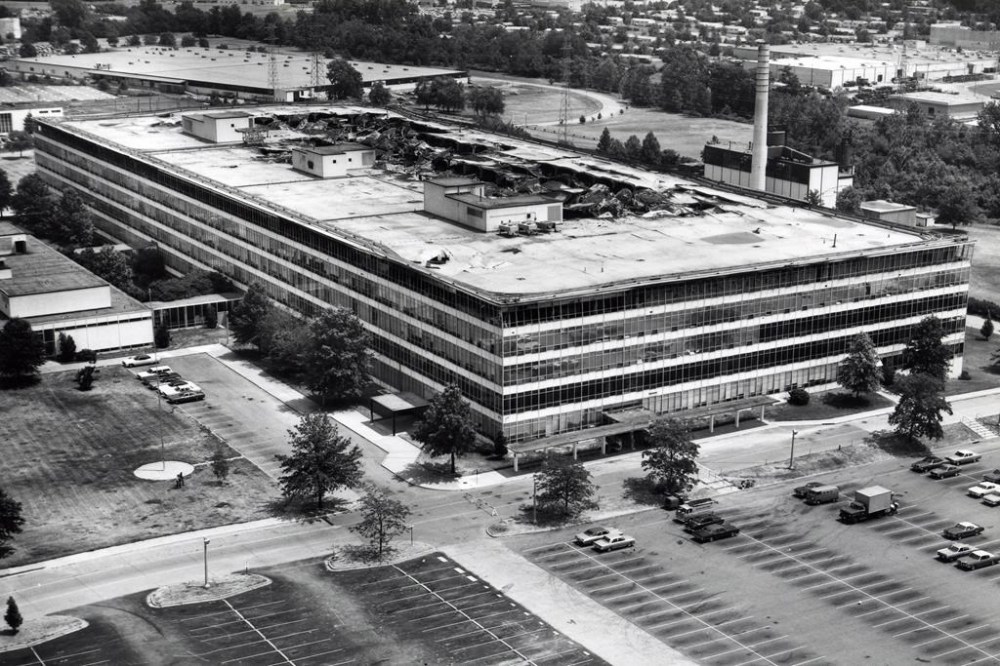
Fifty years ago, millions of veterans’ official files were destroyed in a huge fire at the Military Personnel Records Center in suburban St. Louis.
The July 12, 1973, fire consumed an estimated 16 to 18 million personnel files, the vast majority covering the period just before World War I through 1963. It is believed to be the largest loss of records in U.S. history related to a single catastrophic event.
The loss of records has forced veterans and their families to fight for benefits, medals and recognition they’d earned.
Here are the key takeaways from the AP’s reporting, including interviews with several custodians who were there the day of the blaze:
WHAT HAPPENED ON THE DAY OF THE FIRE?
Shortly after midnight, a motorcyclist passing by noticed smoke coming from an upper story and alerted guards. The fire quickly spread through the sixth floor, with water and smoke damaging records on the floors below. It took firefighters from more than 40 departments about four days to extinguish the blaze.
WHAT WAS THE IMPACT ON VETERANS?
The Official Military Personnel File (OMPF) documents housed at the center chronicle nearly every facet of a person’s service, including dates, rank, stations, medals and injuries. Veterans can use this information to obtain medical care, insurance, loans, job training and other valuable government benefits.
WHAT WERE THE THEORIES INVESTIGATORS CONSIDERED IN TRYING TO FIND THE CAUSE?
There were about a dozen fires at the center in the previous two and a half years, several suspected as arson. FBI agents ran down numerous tips, including that an employee of Asian “extraction” or “left-wing” radicals had set the fire. Agents also questioned workers on their feelings toward the ongoing Vietnam War.
WHAT WAS THE FINAL DETERMINATION ON THE CAUSE? DOES EVERYONE BELIEVE IT?
A janitor admitted to agents that he had smoked a cigarette on the sixth floor about an hour before the fire was discovered, and that he might have accidentally caused the blaze. A federal grand jury declined to return an indictment, and the government concluded that an exact cause could not be determined. But there are those, including former sixth-floor janitor Bill Elmore, who suspect the fire was set intentionally.
WHAT IS THE GOVERNMENT DOING TO HELP VETERANS AND FAMILIES TRYING TO FIND RECORDS?
About 6.5 million heavily damaged files were salvaged and indexed; they are stored in climate-controlled conditions to avoid further deterioration. If a veteran, family member or researcher requests ones of these “B” or “burned” files, center staff have various tools with which to extract information. If someone requests a file that is lost, staff consult other sources — such as unit rosters and payroll records — to partially reconstruct the veteran’s file. Center Director Scott Levins says roughly 5.5 million lost files have been reconstructed to date.