

Sudan’s neighbors meeting in Cairo for summit agree to Egypt’s initiative to try to end conflict
Advertisement
Read this article for free:
or
Already have an account? Log in here »
To continue reading, please subscribe:

Digital Subscription
One year of digital access for only $205*
- Enjoy unlimited reading on winnipegfreepress.com
- Read the E-Edition, our digital replica newspaper
- Access News Break, our award-winning app
- Play interactive puzzles
*First annual payment billed as $205.00 + GST for one year. This annual subscription will automatically renew at $233.00 + GST every 52 weeks (10% off the regular annual price of $259.35). Offer available to new and qualified returning subscribers only. Cancel any time.
To continue reading, please subscribe:
Add Free Press access to your Brandon Sun subscription for only an additional
$1 for the first 4 weeks*
- Enjoy unlimited reading on winnipegfreepress.com
- Read the E-Edition, our digital replica newspaper
- Access News Break, our award-winning app
- Play interactive puzzles
*Your next Brandon Sun subscription payment will increase by $1.00 and you will be charged $17.95 plus GST for four weeks. After four weeks, your payment will increase to $24.95 plus GST every four weeks.
Read unlimited articles for free today:
or
Already have an account? Log in here »
Hey there, time traveller!
This article was published 13/07/2023 (1175 days ago), so information in it may no longer be current.
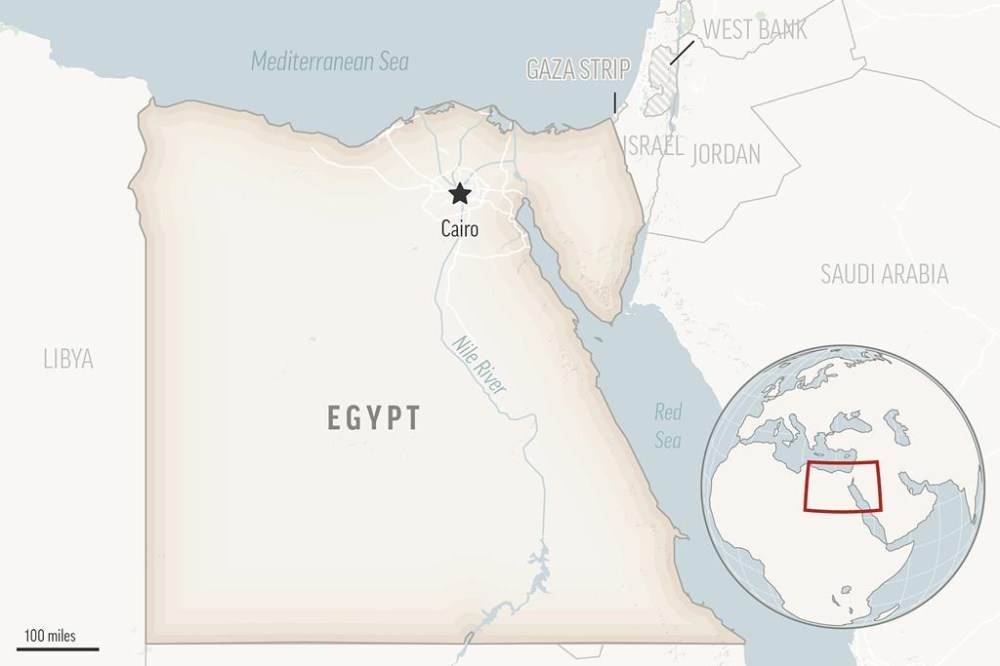
CAIRO (AP) — Leaders from Sudan’s seven neighboring countries agreed on Thursday in Cairo to a new Egyptian-led initiative seeking to resolve the deepening conflict in the African country.
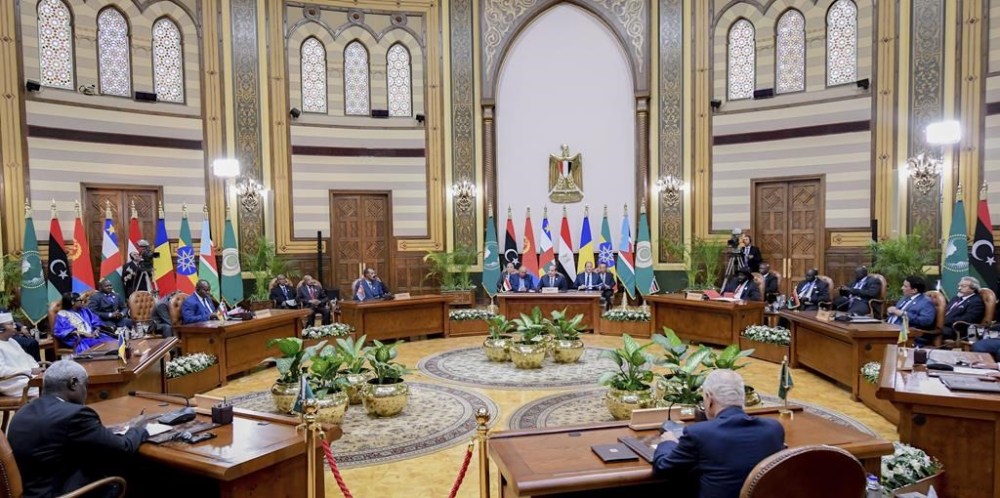
The meeting — the most high-profile since fighting erupted across Sudan in mid-April — was hosted by Egyptian President Abdel Fattah el-Sissi and attended by the leaders of Ethiopia, South Sudan, Chad, Eritrea, the Central African Republic and Libya.
Sudan has been rocked by violence since April 15, when tensions between the military and the paramilitary Rapid Support Forces burst into open fighting. The conflict has killed more than 3,000 people, according to data from June, though the actual death toll is likely much higher, doctors and activists say.
In his opening speech, el-Sissi outlined an initiative to establish a lasting cease-fire, create safe humanitarian corridors for aid delivery, and build a dialogue framework that would include all Sudanese political parties and figures.
Though similar to previous commitments signed by Sudan’s rivals in the Saudi coastal city of Jeddah in May, which ultimately floundered, Thursday’s plan was backed by all seven neighbors — as well as Sudan’s military and the paramilitary RSF, which both praised it on social media. Since April, the rivals had agreed to at least 10 cease-fires that failed.
The most significant pushback came from Ethiopia’s prime minister, Abiy Ahmed, who argued that any new initiative should work alongside negotiations led by the African Union or risk “prolonging the crisis.”
Earlier talks in Jeddah, which were brokered by the kingdom and the United States, broke down last month as both sides repeatedly failed to stop fighting and violated cease-fire agreements.
On Monday, the Intergovernmental Authority on Development — an eight-member East African bloc that’s also part of the African Union — held talks between Sudan’s rival forces. During the meeting, the panel proposed deploying troops to Sudan to better protect civilians.
However, Sudan’s military delegation refused to attend the meeting and accused Kenyan President William Ruto, who headed the talks, of siding with the paramilitary Rapid Support Forces because of his purported business ties with the family of the RSF commander. Sudan’s government, which is controlled by the military, reiterated its calls to replace the Kenyan leader as the chair of the Quartet.
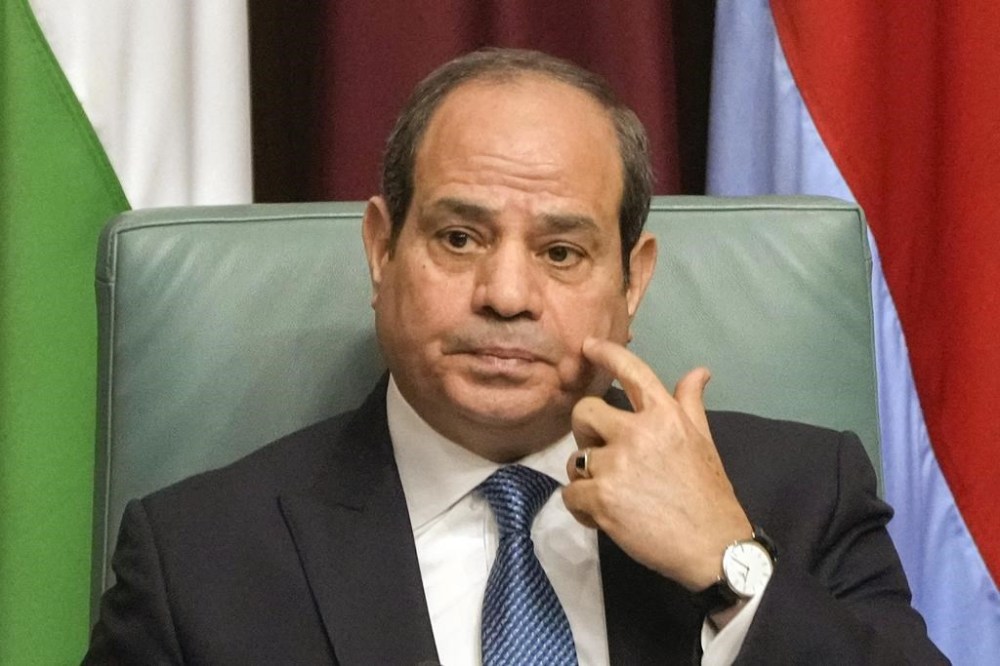
El-Sissi on Thursday urged Sudan’s warring sides to commit to African Union-led cease-fire negotiations.
Suliman Baldo, director of the think tank Sudan Transparency and Policy Tracker, said the past failings indicate that the summit in Egypt is unlikely to come up with quick solutions to the conflict.
Egypt has longstanding ties with the Sudanese army and its top general, Abdel Fattah Burhan. In closing remarks at the end of the summit, el-Sissi said further talks among the seven nations would be held in Chad.
El-Sissi and Ethiopia’s Ahmed also held a rare private meeting Wednesday to discuss the construction of a massive dam on Ethiopia’s stretch of the Blue Nile. Cairo and Addis Ababa have been at odds for years over the project. Ethiopia says it is needed to bring electricity to hundreds of thousands of Ethiopians, while Cairo and Khartoum fear it will limit their water supply upstream.
According to a Thursday evening statement, Ethiopia said the two countries committed to finalizing an agreement on the dam within the next four months.
The 12 weeks of fighting between the army and the RSF have turned Khartoum, Sudan’s capital, into an urban battlefield. The conflict forced more than 2.4 million people to flee their homes for safer areas inside the country, according to the International Organization for Migration. Around 738,000 others have crossed into neighboring countries, the agency said.
Also Thursday, The United Nations said the bodies of dozens of people allegedly killed by Sudanese paramilitary and allied militia have been uncovered in a mass grave in West Darfur. Darfur has been one of the epicenters of the 12-week conflict, morphing into ethnic violence with RSF troops and allied Arab militias attacking African ethnic groups. Earlier this week Human Rights Watch called for the International Criminal Court to investigate atrocities in Darfur.
___
This story has been corrected to show that Ethiopia’s prime minister attended the summit, not the president; and that leaders from Sudan’s seven neighboring countries met in Cairo, not six countries.